Dogue de Bordeaux as a Therapy Dog
Register Any Breed
Dogue de Bordeaux as a Therapy Dog Overview
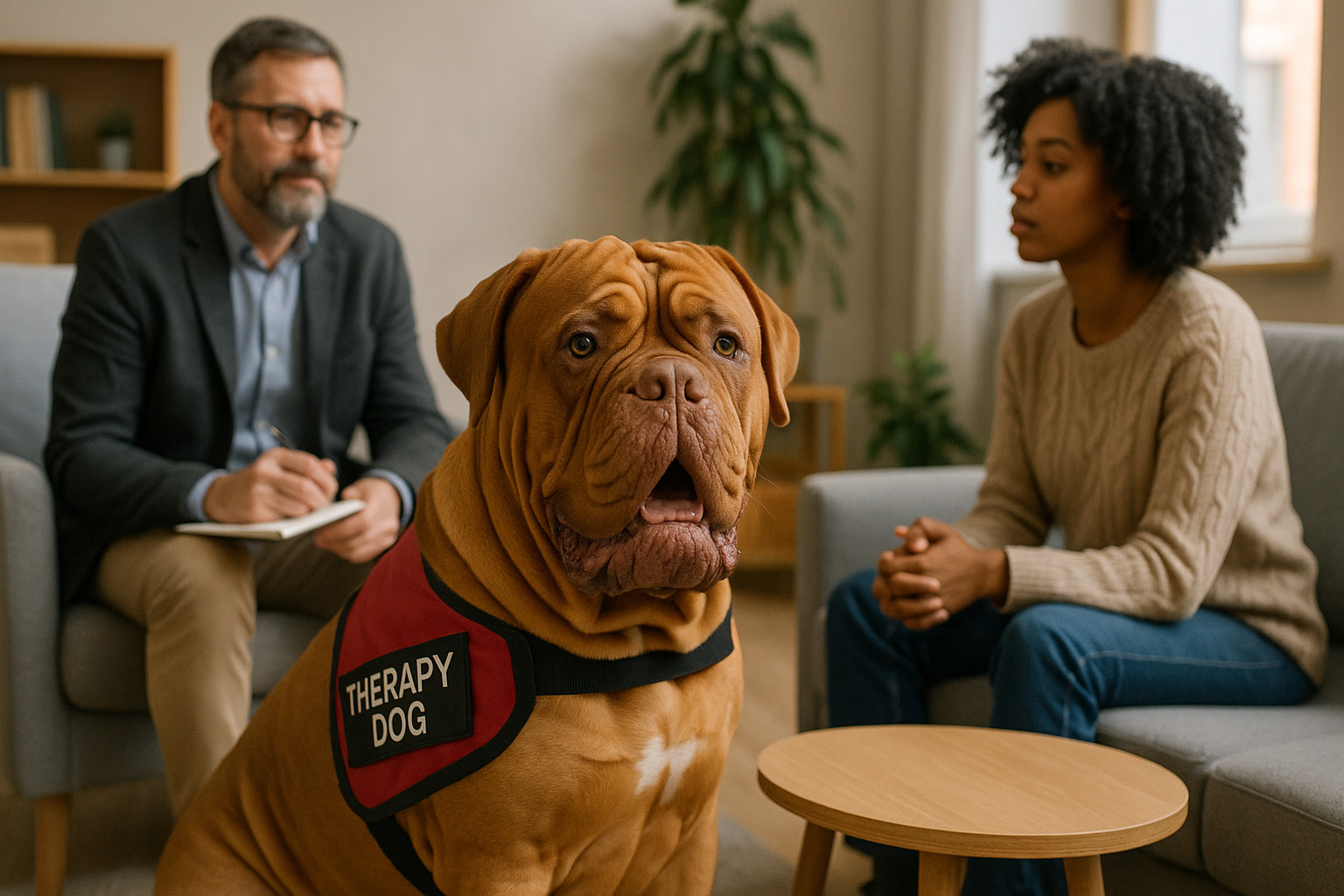
The Dogue de Bordeaux, also affectionately known as the French Mastiff, is a breed renowned for its powerful build and deep loyalty. While this breed's imposing physical appearance might suggest a role as a guard dog, its gentle and affectionate nature makes it surprisingly suited for therapy work. This article explores the unique qualities of the Dogue de Bordeaux in a therapy setting, demonstrating how their temperament, empathy, and adaptability contribute to their success as therapy dogs.
Understanding the Therapy Dog Role
Therapy dogs offer comfort and affection to individuals in various settings, such as hospitals, nursing homes, and schools. Unlike service dogs, their primary role is emotional support rather than performing specific tasks for an individual with a disability. The Dogue de Bordeaux, with its calm demeanor and nurturing personality, fits well into this role, providing a comforting presence through its gentle and steady nature.
Physical Appearance and Energy Level
The Dogue de Bordeaux is a large, muscular breed, standing between 23 to 27 inches tall and weighing approximately 99 to 110 pounds or more. Their substantial size can be both a hindrance and an asset in therapy contexts. While their presence is undeniably commanding, which may comfort some patients, it might also be intimidating in situations requiring a more subtle approach.
Their energy level is moderate, perfect for environments where a calm and steady energy is crucial. They thrive in situations where they can remain composed, enabling them to offer soothing companionship to individuals who need emotional support.
Personality and Emotional Intelligence
Renowned for their loyalty and affection, the Dogue de Bordeaux exhibits high levels of emotional intelligence, understanding and responding sensitively to human emotions. This breed tends to form deep bonds with people, often sensing their handler's moods and adjusting their behavior accordingly. This sensitivity makes them exceptional therapy dogs as they are capable of offering tailored emotional support, from peaceful proximity to more interactive engagement, depending on the needs of those they are visiting.
Environments Where Dogue de Bordeaux Excels
The Dogue de Bordeaux finds its niche in environments where calmness is appreciated, such as senior care facilities and therapeutic settings for mental health. Their robust yet gentle nature allows them to be relatively unmoved by chaotic environments, making them ideal for hospital visits where unpredictability can be a factor. Additionally, their comforting presence is beneficial in schools, providing a calming influence on children during therapy sessions or reading programs.
Common Therapy Settings
- Hospitals and Rehabilitation Centers: Their calming presence and gentle nature support those recovering from illness or surgery.
- Nursing Homes and Hospice Facilities: Offering companionship to elderly patients, they excel in slow, peaceful settings where their patience shines.
- Schools: Working in reading programs or with children who require emotional support, their friendly demeanor encourages interaction and calm.
- Mental Health Centers: Providing emotional stability, they can help create a soothing atmosphere for individuals dealing with anxiety or depression.
Interactions with Different Populations
The Dogue de Bordeaux interacts gracefully across a broad spectrum of populations due to its empathetic nature.
Register Any Breed
- Children: Their gentle demeanor and large size are an attractive combination for children, who often view them as comforting yet non-invasive companions.
- Elderly: Respectful and calm interactions make this breed a favorite among the elderly, who appreciate the steady companionship of a large, snuggly dog.
- Mentally or Emotionally Vulnerable Individuals: Patients with anxiety or PTSD find the breed's calm and attentive nature reassuring.
Health and Wellness Factors
To successfully serve as a therapy dog, the Dogue de Bordeaux must be in good health. They require regular veterinary check-ups to monitor for breed-specific health issues, including hip dysplasia, heart conditions, and skin problems. Maintaining a balanced diet and regular exercise is crucial, although it's important to avoid overexertion, especially in hot climates, due to their brachycephalic (short-nosed) nature.
Lifespan and Common Health Issues
The lifespan of the Dogue de Bordeaux is approximately 5 to 8 years, which is shorter than many breeds. Common health issues include:
- Hip Dysplasia: A frequent ailment in larger breeds, requiring proper management and care.
- Cardiac Issues: Regular heart health monitoring is essential.
- Obesity: A controlled diet is necessary to prevent excess weight, which can exacerbate joint problems.
Maintenance and Care Needs
The Dogue de Bordeaux requires specific grooming and care to ensure they are comfortable and safe in therapy environments:
- Grooming: Regular brushing and skin care to manage shedding and prevent skin infections.
- Exercise: Moderate, consistent exercise helps maintain their health without placing undue stress on joints.
- Cleanliness: Regular baths and dental care are essential, especially as interactions with vulnerable populations may require increased hygiene standards.
Training and Certification Readiness
Training the Dogue de Bordeaux for therapy work involves harnessing their natural empathy and intelligence to focus on obedience and adaptability. Their willingness to please and strong bond with their handlers can be leveraged to achieve certification through:
- Obedience Training: Basic commands and behavior management in diverse social situations.
- Socialization: Exposure to various environments, people, and other animals is necessary for the breed to become comfortable in busy or unfamiliar settings.
Learning Style and Responsiveness
The Dogue de Bordeaux is intelligent and eager to please but may exhibit stubbornness. Patience and positive reinforcement are crucial during training. They respond well to consistent routines and gentle, persistent guidance, making them receptively adaptive for therapy purposes.
Handling Social and Emotional Stimuli
Their levelheadedness when encountering new stimuli makes them ideal for therapy roles. They tend to remain composed, even in chaotic settings, such as hospitals, allowing them to focus on providing comfort rather than getting distracted or overwhelmed.
Strengths, Limitations, and Ideal Roles for Dogue de Bordeaux
Strengths:
- High emotional intelligence and sensitivity
- Gentle and affectionate with all age groups
- Calm demeanor in dynamic environments
Limitations:
- Large size can be intimidating or unsuitable for tightly constrained spaces
- Shorter lifespan might affect long-term therapy commitments
- Prone to specific health issues that require careful management
Ideal Roles:
- Visiting hospitals and nursing homes for patient support
- Assisting with reading and emotional support programs in schools
- Providing comfort in mental health facilities
Final Thoughts
The Dogue de Bordeaux, with its blend of empathy, emotional intelligence, and calm presence, is a unique and valuable choice for therapy work despite some limitations. With careful health management and targeted training, this breed can thrive as a therapy dog, bringing comfort and joy to those in need.
Key Takeaways for the Dogue de Bordeaux as a Therapy Dog
- Best suited for: Calm, large spaces such as hospitals, homes, schools
- Not ideal for: Highly dynamic or small, constrained environments
- Temperament highlights: Gentle, empathetic, calm, patient
- Care and health notes: Needs regular health monitoring, moderate grooming, joint care
- Therapy environments where they shine: Hospitals, schools, nursing homes, mental health centers
In summary, the Dogue de Bordeaux, with appropriate training and care, can provide unparalleled support in therapeutic settings due to its inherently nurturing and gentle nature.


-
Public Access Kits
$149.00 Learn more This product has multiple variants. The options may be chosen on the product page -
Quick Ship Premium Vests
$48.00 – $82.00 Learn more This product has multiple variants. The options may be chosen on the product page -
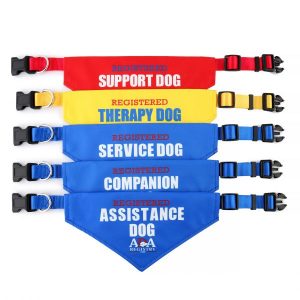
Service Dog Bandana
$39.95 Learn more This product has multiple variants. The options may be chosen on the product page
Custom ID Cards

Custom ID Cards
All States

Canada Cards

Custom Service Dog Tags
Official Dog Vests

Smart Vests
Official Public Access Kits
Complete Kits
USA & CANADA Letters

High Quality Bandanas
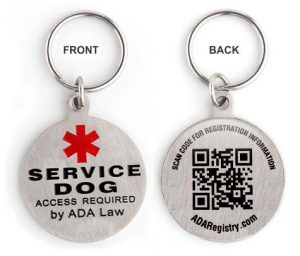
Service Dog Tags
Smart Tags

ESA TAGS