English Cocker Spaniel as a Therapy Dog
Register Any Breed
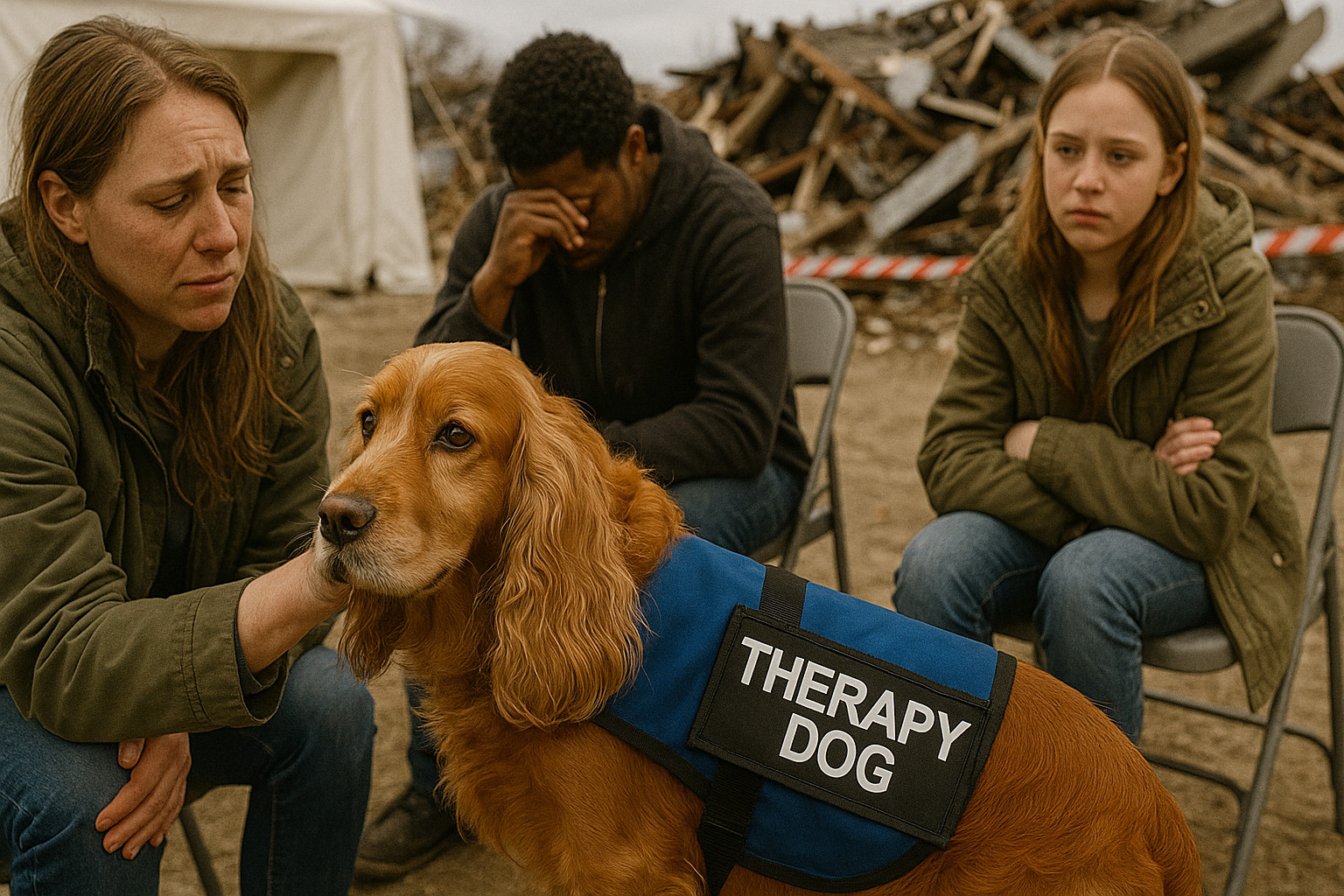
The English Cocker Spaniel is cherished for its affectionate nature and innate charm. In recent years, this breed has emerged as an outstanding candidate for therapy work, thanks to its gentle demeanor and emotional sensitivity. This article explores the suitability of the English Cocker Spaniel as a therapy dog, providing a comprehensive overview of its strengths and potential limitations in this role.
English Cocker Spaniel as a Therapy Dog Overview
English Cocker Spaniels excel as therapy dogs due to their sociable nature and eagerness to connect with people. Originally bred as hunting companions, these dogs have a unique blend of energy and empathy, making them well-suited for therapeutic settings. Let's delve into the qualities that make this breed an excellent choice for providing comfort and support to individuals in need.
Understanding the Therapy Dog Role
Therapy dogs offer emotional support and comfort to individuals in various settings, from hospitals to schools. Unlike service dogs, therapy dogs do not perform specific tasks for an individual with a disability but improve overall well-being through interaction. Successful therapy dogs are calm, patient, and responsive, embodying traits that foster a relaxing and positive environment.
Physical Appearance and Energy Level
English Cocker Spaniels are medium-sized dogs with a sturdy build and a distinctive silky coat. Their moderate energy levels require regular exercise, though they adapt well to indoor environments as long as their physical and mental stimulation needs are met. Their physical presence is non-threatening and welcoming, which can put people at ease quickly.
Personality and Emotional Intelligence
Renowned for their cheerful and affectionate nature, English Cocker Spaniels exhibit high levels of emotional intelligence. They have an innate ability to sense and respond to human emotions, making them ideal for therapeutic work. Their tendency to form strong bonds promotes trust and emotional healing, pivotal in environments where emotional support is needed.
Environments Where English Cocker Spaniel Excels
English Cocker Spaniels thrive in environments where they can engage with individuals directly. Their friendly demeanor and adaptability make them suitable for various therapy settings:
- Hospitals and Clinics: Their calming presence can alleviate anxiety in patients.
- Schools and Educational Settings: In schools, they help students develop social skills and reduce stress.
- Rehabilitation Centers: The breed's patience benefits individuals undergoing physical or emotional recovery.
- Nursing Homes and Assisted Living Facilities: Their companionship counteracts feelings of loneliness and enhances the overall atmosphere.
Common Therapy Settings
The scope of therapy settings where the English Cocker Spaniel can make a difference is extensive:
Register Any Breed
- Children's Hospitals: These dogs offer distraction and comfort, aiding in pain management and emotional release.
- Mental Health Facilities: Their steady temperament can help ease symptoms of anxiety and depression.
- Community Outreach Programs: Bringing comfort and joy to diverse populations in local communities.
Interactions with Different Populations
English Cocker Spaniels are adaptable and can interact effectively with various populations:
- Children: Their playful yet gentle nature makes them excellent companions for children.
- Elderly Individuals: They provide a sense of purpose and companionship, improving quality of life.
- Patients with Special Needs: Their understanding demeanor can help individuals feel more secure and less isolated.
Health and Wellness Factors
While they possess numerous qualities for therapy work, English Cocker Spaniels do have some health considerations:
- Regular Grooming Needs: Their coat requires regular grooming to prevent matting and maintain hygiene.
- Health Screenings: Regular veterinary check-ups are essential to monitor their health and ensure they are fit for therapy visits.
- Exercise Requirements: Ensuring they get sufficient physical activity supports their mental health and readiness to work.
Lifespan and Common Health Issues
English Cocker Spaniels typically live for 12 to 15 years. Common health issues include ear infections and eye conditions, which require routine attention to prevent complications. Maintaining good health is critical to their ability to perform therapy dog roles effectively.
Maintenance and Care Needs
Caring for an English Cocker Spaniel requires dedication to both physical and emotional needs:
- Diet and Nutrition: A balanced diet supports their overall health and energy levels.
- Grooming Routine: Regular grooming sessions keep them comfortable and clean for therapy sessions.
- Mental Stimulation: Providing mental challenges prevents boredom and promotes an alert and engaged demeanor.
Training and Certification Readiness
This breed is highly trainable due to its intelligence and eagerness to please. To prepare an English Cocker Spaniel for therapy certification:
- Basic Obedience Training: Establish a foundation of commands such as sit, stay, and come.
- Advanced Socialization: Expose them to various environments and people to enhance comfort levels.
- Therapy-specific Training: Develop skills to interact effectively in therapy settings, focusing on patience and calmness.
Learning Style and Responsiveness
English Cocker Spaniels learn best through positive reinforcement. Their responsiveness is enhanced when training incorporates:
- Consistency: Regular and consistent training sessions build trust and understanding.
- Positive Reinforcement: Rewards and praise encourage desired behaviors, crucial for therapy work.
- Patience and Encouragement: Gentle guidance nurtures their confidence and willingness to learn.
Handling Social and Emotional Stimuli
The breed's sensitivity to emotional stimuli is a significant asset in therapy settings. They can:
- Intuitively Assess Mood Changes: Respond accordingly to offer comfort or support.
- Maintain a Calm Presence: Help de-escalate stressful situations by offering a stable and reassuring influence.
- Facilitate Emotional Expression: Encourage individuals to engage or open up emotionally through their gentle interaction.
Strengths, Limitations, and Ideal Roles for English Cocker Spaniel
Strengths:
- Affectionate and Empathetic: Creates immediate rapport with individuals in need of support.
- Adaptable Across Environments: Successfully functions in a variety of therapeutic settings.
- Strong Bonding Ability: Promotes trust and emotional healing.
Limitations:
- Grooming Demands: High grooming needs can be time-consuming and require consistent effort.
- Prone to Certain Health Issues: Regular veterinary care is needed to prevent issues that may limit therapy work.
Ideal Roles:
- Emotional Support in Hospitals and Rehabilitation Centers: Their comforting presence aids emotional recovery.
- Companions in Educational and Community Programs: Facilitate social interactions and reduce stress.
Final Thoughts
The English Cocker Spaniel's natural affinity for human companionship and their sensitivity to emotional cues make them exceptionally suited for therapy dog roles. While they do require consistent grooming and have specific health considerations, their strengths in providing emotional support and comfort shine through in various therapy settings.
Key Takeaways for the English Cocker Spaniel as a Therapy Dog
- Best suited for: Hospitals, schools, rehabilitation centers, and community programs.
- Not ideal for: High-stress environments with limited grooming and health management resources.
- Temperament highlights: Gentle, empathetic, responsive to emotional stimuli.
- Care and health notes: Regular grooming and health checks necessary; manage ear and eye health.
- Therapy environments where they shine: Emotional support in healthcare and educational settings, enhancing socialization and reducing anxiety.


-
Public Access Kits
$149.00 Learn more This product has multiple variants. The options may be chosen on the product page -
Quick Ship Premium Vests
$48.00 – $82.00 Learn more This product has multiple variants. The options may be chosen on the product page -
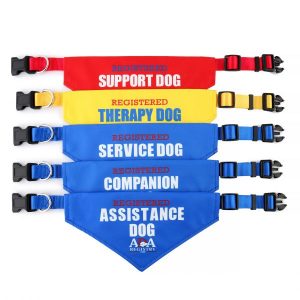
Service Dog Bandana
$39.95 Learn more This product has multiple variants. The options may be chosen on the product page
Custom ID Cards

Custom ID Cards
All States

Canada Cards

Custom Service Dog Tags
Official Dog Vests

Smart Vests
Official Public Access Kits
Complete Kits
USA & CANADA Letters

High Quality Bandanas
Service Dog Tags
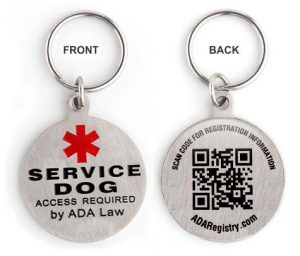
Smart Tags

ESA TAGS