English Setter as a Service Dog
Register Any Breed
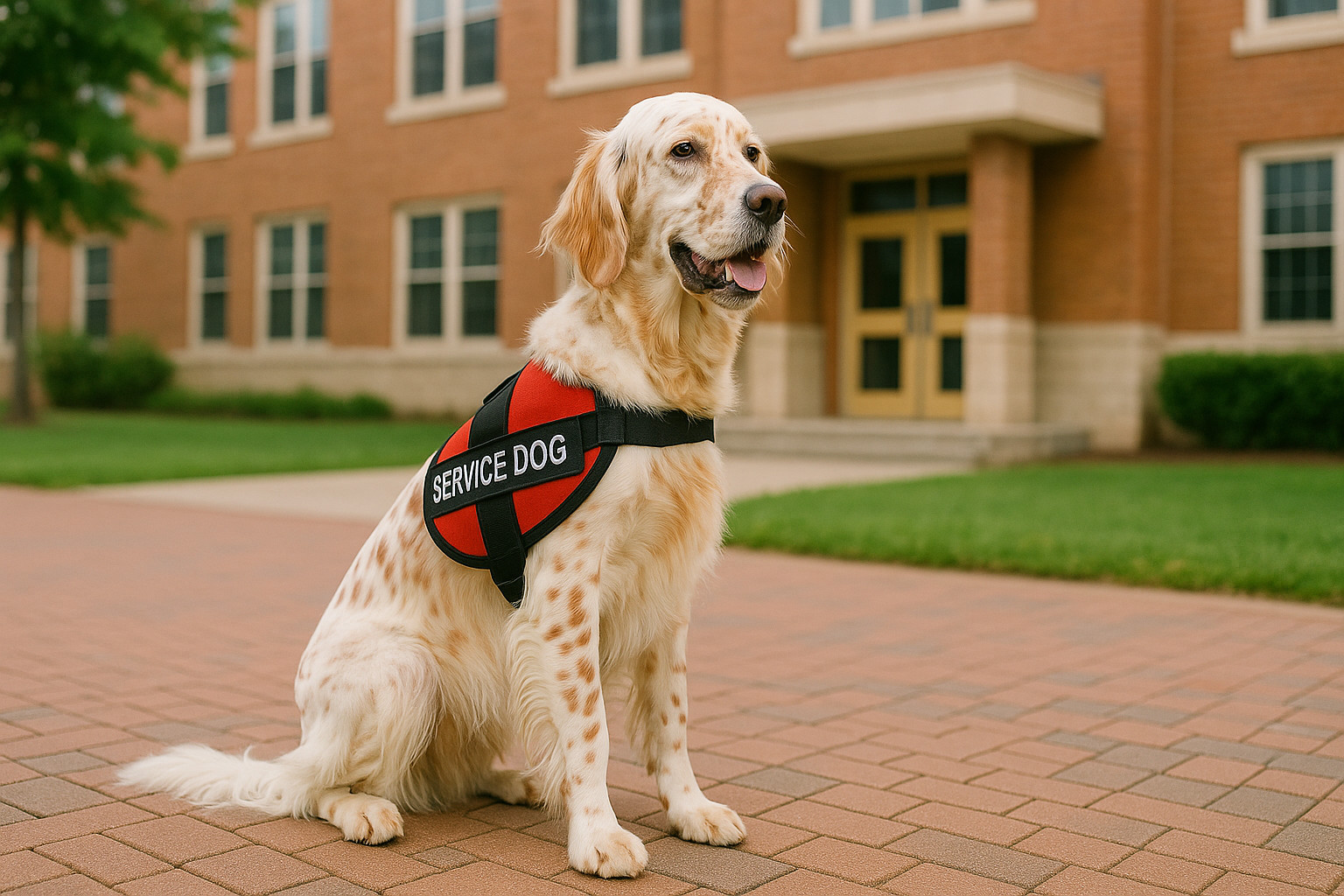
Service dogs play an indispensable role in assisting individuals with disabilities, performing tasks that enhance the lives of their handlers. Among the many breeds used as service dogs, the English Setter is a unique and intriguing option. While not as commonly seen as Labrador Retrievers or Golden Retrievers, English Setters possess a variety of traits that can be suitable for certain types of service work. This article will explore the various aspects of the English Setter as a service dog, examining their physical characteristics, temperament, training suitability, and the types of service roles they may excel in.
English Setter Overview
The English Setter is a medium to large-sized breed known for its striking appearance and gentle demeanor. Historically bred as bird dogs, they have a long lineage of working with humans, which contributes to certain traits desirable in service work.
Physical Characteristics
English Setters are renowned for their elegant and graceful appearance. They typically weigh between 45 to 80 pounds, with females generally being a bit smaller than males. Their height ranges from 23 to 27 inches at the shoulder. This size allows them to be strong enough for specific physical tasks while being manageable for most handlers.
- Appearance: English Setters boast a silky, long-haired coat that requires regular grooming to maintain its condition. Their coat often features speckles or flecks, known as "belton," in colors such as blue, lemon, or orange.
- Energy and Stamina: Originally bred for hunting, they have high energy levels and require regular exercise. This energy can be advantageous in active service roles but needs to be managed through consistent physical activity and mental stimulation.
Temperament and Attitude
The temperament of the English Setter is one of their defining qualities, making them potentially suitable for specific service roles.
- Gentle and Friendly: English Setters are known for their affable and congenial nature. They enjoy being around people and generally get along well with children and other animals, which can be beneficial in service environments where social interaction is frequent.
- Intelligence and Sensitivity: They are intelligent dogs, capable of understanding and executing commands. However, their sensitivity requires a handler who can provide gentle and positive reinforcement, as harsh training methods can lead to anxiety or reluctance.
- Adaptability: In public or stressful environments, English Setters can remain calm if properly socialized. Their adaptability, combined with their natural friendliness, helps them perform tasks in varied conditions.
Types of Service Work
While English Setters may not be the first breed that comes to mind for service work, there are specific roles where they can excel due to their unique characteristics.
- Therapy and Emotional Support: Their friendly nature and love for human interaction make them ideal candidates for therapy or emotional support roles. They can provide comfort and companionship in hospitals, schools, and nursing homes.
- Medical Alert Dogs: With proper training, English Setters can be taught to detect changes in their handler's body chemistry, making them suitable as medical alert dogs for conditions like epilepsy or diabetes.
- Mobility Assistance: Their size and strength allow them to assist individuals who require physical support, such as retrieving items or providing stability while walking.
Health Considerations
An important aspect of preparing a dog for service work is understanding breed-specific health concerns that may impact their ability to perform tasks.
- Hip Dysplasia: Common in many larger breeds, hip dysplasia can affect the English Setter. It is crucial to ensure regular veterinary check-ups and maintain an appropriate diet and exercise routine to mitigate this risk.
- Deafness: Some English Setters may be prone to ear infections or hereditary deafness, which could impact their ability to hear commands. Regular ear checks and proper breeding practices can help minimize this issue.
- Allergies and Skin Conditions: Their long coats may predispose them to skin irritations or allergies, requiring attentive grooming and possibly special dietary considerations.
Training and Suitability
Training an English Setter as a service dog involves consideration of their natural traits and behaviors.
Register Any Breed
- Trainability: English Setters are eager to please and enjoy learning new tasks. Their intelligence facilitates the learning process, but trainers must employ consistent, positive reinforcement techniques to maintain their enthusiasm and focus.
- Independence vs. Dependency: While they enjoy human companionship, they can be independent thinkers, a trait inherited from their hunting background. Balancing their independent nature with their tasks is essential for effective service work.
Summary of English Setter
In conclusion, the English Setter can be a suitable service dog for specific roles that align with their characteristics and health considerations. They are particularly well-suited for therapeutic and emotional support work, medical alert tasks, and some mobility assistance roles, given their friendly temperament and manageable size. However, their health and grooming needs must be diligently managed to ensure their well-being and service effectiveness.
Key Strengths:
- Friendly and sociable nature
- Intelligent and trainable
- Strong and suitable for various tasks
Key Weaknesses:
- Potential health issues such as hip dysplasia and deafness
- High grooming requirements
- High energy levels that require consistent exercise
Ideal Service Roles:
- Therapy and emotional support
- Medical alert
- Mobility assistance
While the English Setter may not be the most conventional choice for a service dog, their unique attributes and capabilities can make them an exceptional companion for individuals with specific needs. With proper training and care, they can excel in their roles, providing both practical support and emotional comfort to their handlers.


-
Public Access Kits
$149.00 Learn more This product has multiple variants. The options may be chosen on the product page -
Quick Ship Premium Vests
$48.00 – $82.00 Learn more This product has multiple variants. The options may be chosen on the product page -
Service Dog Bandana
$39.95 Learn more This product has multiple variants. The options may be chosen on the product page
Custom ID Cards

Custom ID Cards
All States
Canada Cards
Custom Service Dog Tags
Official Dog Vests

Smart Vests
Official Public Access Kits
Complete Kits
USA & CANADA Letters
High Quality Bandanas
Service Dog Tags
Smart Tags

ESA TAGS