English Springer Spaniel as a Therapy Dog
Register Any Breed
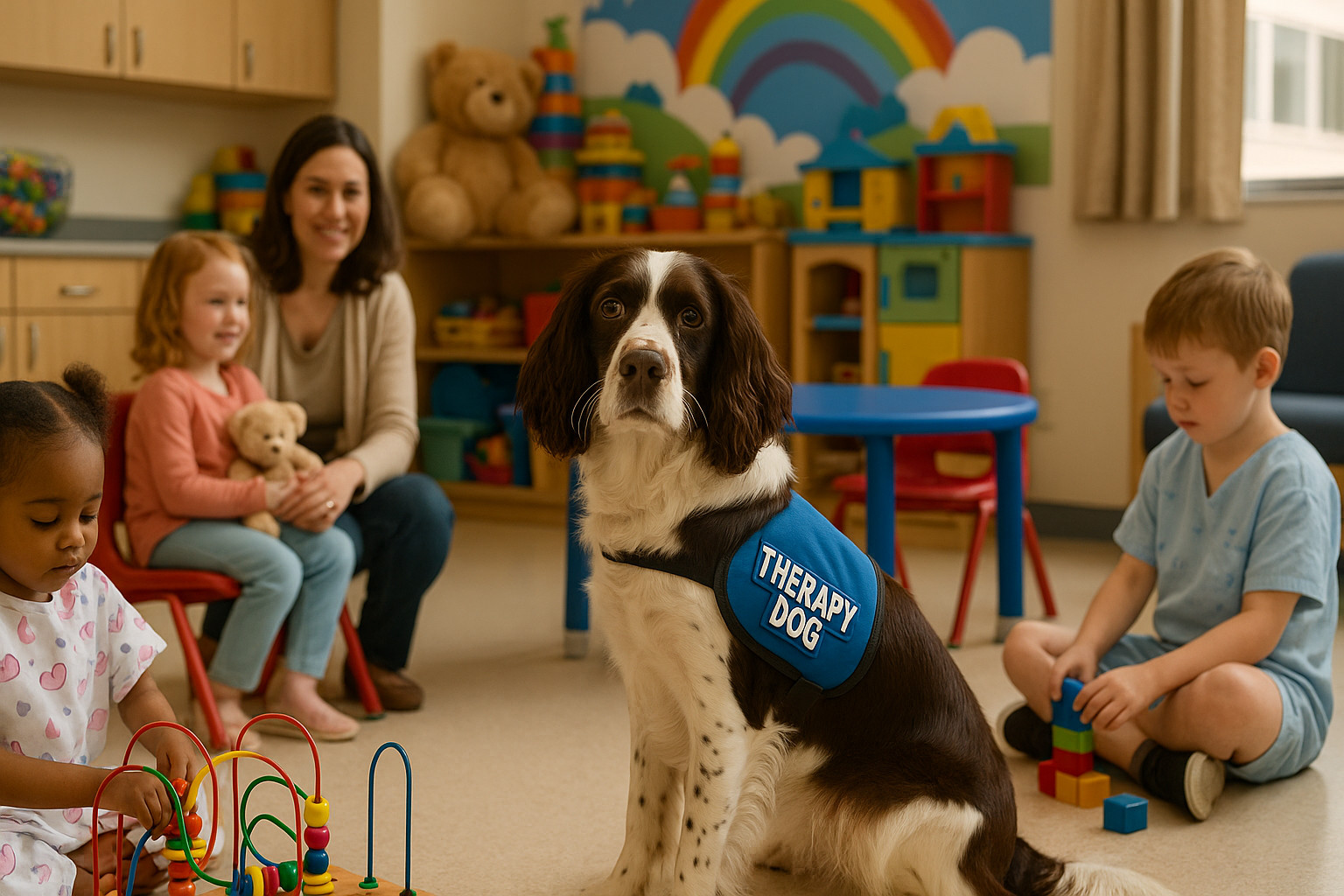
The English Springer Spaniel is a friendly and eager-to-please breed, renowned for its affectionate nature and boundless energy. This article explores the potential of the English Springer Spaniel as a therapy dog, focusing on traits that influence its effectiveness in providing comfort and emotional support to diverse populations.
English Springer Spaniel as a Therapy Dog Overview
Understanding the Therapy Dog Role
The role of a therapy dog extends beyond the traditional companionship of pets; it includes providing emotional support, comfort, and therapeutic benefits to various individuals in different settings. Therapy dogs often visit hospitals, schools, nursing homes, rehabilitation centers, and other environments where emotional support is needed. The main responsibility of a therapy dog is to improve the well-being of individuals through interactions that can help reduce stress, anxiety, and depression.
Physical Appearance and Energy Level
The English Springer Spaniel is a medium-sized breed, characterized by its athletic build, long ears, and expressive eyes. Known for their high energy levels, these dogs require ample exercise to remain happy and balanced. Their physical stamina enables them to engage effectively in therapy sessions, especially those involving active participation such as play therapy with children.
- Highly energetic: Daily physical activities are essential to maintain their well-being.
- Fit and active: Suitable for environments where both physical presence and activity are required.
Personality and Emotional Intelligence
English Springer Spaniels are celebrated for their personable demeanor and empathetic nature. Their ability to read and respond to emotional cues makes them exceptional choices for therapy work.
- Naturally sociable: Their social nature helps them connect with individuals across diverse settings.
- Emotionally perceptive: Instinctively responsive to a wide range of emotional states.
Environments Where English Springer Spaniel Excels
The versatility of the English Springer Spaniel makes them suitable for various therapy settings. Their adaptability and calm temperament allow them to thrive in both lively and tranquil environments.
Common Therapy Settings
- Hospitals and healthcare facilities: Their calm presence can be comforting to patients undergoing treatment.
- Schools: Effective with children, especially in special education, due to their playfulness and patience.
- Rehabilitation centers: Motivating individuals in recovery with their positive and energetic presence.
Interactions with Different Populations
English Springer Spaniels can connect with a spectrum of individuals, from children to the elderly, enhancing their therapeutic impact.
- With children: Their playful yet gentle nature helps create a positive and engaging therapeutic environment.
- With elderly individuals: Their patience and soothing presence can significantly benefit those dealing with isolation or mood disorders.
Health and Wellness Factors
Maintaining the health and wellness of an English Springer Spaniel is crucial for its effectiveness as a therapy dog. These dogs often face certain health conditions that could impact their ability to visit various environments safely.
Register Any Breed
Lifespan and Common Health Issues
English Springer Spaniels typically live between 12 to 14 years. While generally healthy, they are prone to certain genetic conditions such as hip dysplasia and ear infections.
- Lifespan considerations: Early and regular veterinary care is vital to prevent and manage health issues.
- Health challenges: Regular check-ups can ensure they remain fit for therapy roles.
Maintenance and Care Needs
With their long, luscious coats, English Springer Spaniels require consistent grooming to maintain their appearance and health, ensuring that they are clean and hygienic for therapy settings.
- Regular grooming: Brushing several times a week to prevent matting and reduce shedding.
- Routine ear care: Frequent cleaning to prevent ear infections common in this breed.
Training and Certification Readiness
The intelligence and eagerness to please inherent in the English Springer Spaniel facilitate their training and certification for therapy work.
Learning Style and Responsiveness
- Quick learners: Their keen intelligence helps in mastering commands and tasks quickly.
- Highly responsive: Positive reinforcement methods are particularly effective with this breed.
Handling Social and Emotional Stimuli
Orthodoxly sensitive, English Springer Spaniels handle social and emotional stimuli with grace, making them adept in sensing and responding to human emotions.
- Empathic interactions: Their capacity to intuit emotions enhances therapy sessions.
- Calm under pressure: Tolerant of varying stimuli and capable of maintaining poise in demanding situations.
Strengths, Limitations, and Ideal Roles for English Springer Spaniel
The English Springer Spaniel's strengths lie in their empathy, energy, and adaptability. However, their high energy levels require proper management to ensure they do not overwhelm vulnerable individuals.
- Strengths: Empathic, adaptable, friendly, intelligent.
- Limitations: Their energetic nature may not suit very low-engagement roles.
- Ideal roles: Therapy tasks involving active engagement and emotional connection.
Final Thoughts
English Springer Spaniels demonstrate exceptional potential as therapy dogs. Their engaged temperament, emotional intuitiveness, and adaptability make them excellent companions in various therapeutic environments. Proper care, training, and awareness of their energy needs are crucial to ensuring their success in these roles.
Key Takeaways for the English Springer Spaniel as a Therapy Dog
- Best suited for: Environments requiring engagement and empathy, such as schools and rehabilitation centers.
- Not ideal for: Roles that require extended periods of inactivity or lack of interaction.
- Temperament highlights: Empathetic, energetic, sociable, and gentle.
- Care and health notes: Regular grooming and health check-ups are essential to prevent common health issues.
- Therapy environments where they shine: Schools, hospitals, and rehabilitation centers, especially where emotional connection and physical activity are beneficial.


-
Public Access Kits
$149.00 Learn more This product has multiple variants. The options may be chosen on the product page -
Quick Ship Premium Vests
$48.00 – $82.00 Learn more This product has multiple variants. The options may be chosen on the product page -
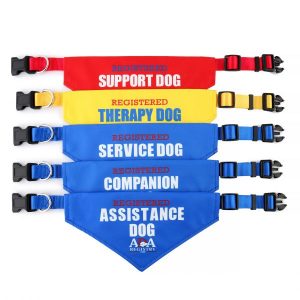
Service Dog Bandana
$39.95 Learn more This product has multiple variants. The options may be chosen on the product page
Custom ID Cards

Custom ID Cards
All States

Canada Cards

Custom Service Dog Tags

Official Dog Vests

Smart Vests
Official Public Access Kits
Complete Kits
USA & CANADA Letters
High Quality Bandanas
Service Dog Tags
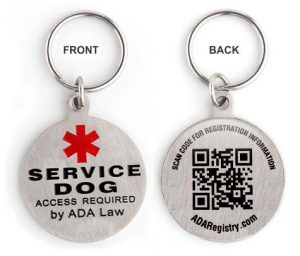
Smart Tags

ESA TAGS