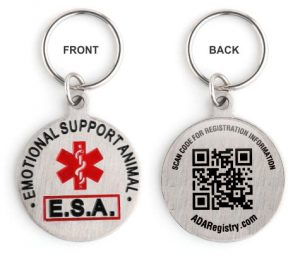
Flat-Coated Retriever as an Emotional Support Dog
Register Any Breed
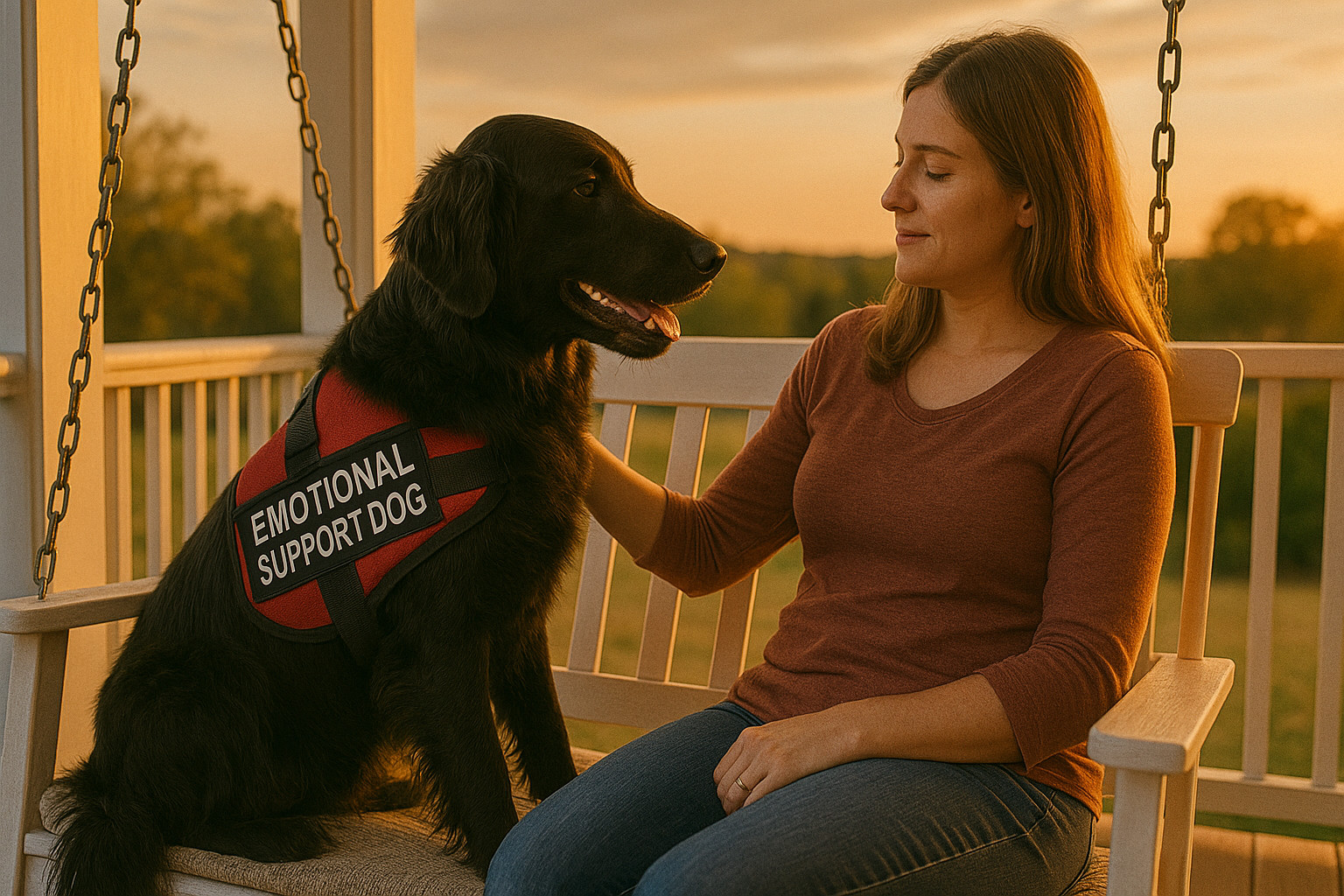
The choice of an emotional support animal (ESA) is a deeply personal decision that can significantly impact one's quality of life. Among the varied options, the Flat-Coated Retriever stands out for its unique blend of temperament, empathy, and affectionate nature. This guide explores the suitability of the Flat-Coated Retriever as an emotional support dog, providing insights into their role, adaptability, and the specific ways they can enhance emotional wellbeing.
Understanding the Emotional Support Role
Emotional support animals play a crucial role in providing comfort and companionship to individuals dealing with mental health challenges such as anxiety, depression, or stress. Unlike service dogs, ESAs do not perform specific tasks but offer therapeutic benefits through their presence and affectionate interaction. The Flat-Coated Retriever, with its gentle demeanor and loving nature, has much to offer in this capacity.
Flat-Coated Retriever Overview
The Flat-Coated Retriever is a medium-to-large dog known for its glossy black or liver-colored coat, friendly face, and wagging tail that seems almost ceaseless. Originating from the United Kingdom as a game retriever, this breed's original purpose was to assist hunters in retrieving game on land and water. Their working background has equipped them with an eager-to-please attitude, high intelligence, and boundless enthusiasm.
Despite their origins, Flat-Coated Retrievers have seamlessly transitioned from field work to providing companionship, demonstrating adaptability that serves them well as emotional support animals.
Temperament and Emotional Connection
One of the most defining features of the Flat-Coated Retriever is its exceptionally buoyant and loving temperament. Often referred to as the "Peter Pan" of the dog world because they remain playful well into adulthood, their natural zest for life can be infectious. This playful nature is balanced by a deep capacity for empathy and emotional connection, making them adept at providing comfort.
- Affectionate Nature: Their desire for closeness and attention satisfies the emotional needs of those they support.
- Empathy and Sensitivity: These retrievers are highly sensitive to human emotions, often acting intuitively to offer comfort through physical contact or distraction.
- Steady Companionship: Their loyal and steady companionship helps reduce feelings of loneliness and anxiety, creating a calming effect for their handlers.
Adaptability and Daily Behavior
Flat-Coated Retrievers are highly adaptable, which is crucial for an emotional support animal. Their capacity to adjust to various environments and situations enables them to provide consistent emotional support regardless of external conditions.
- Energy Levels and Exercise: While they are active dogs requiring regular exercise, their needs can typically be met with daily walks and playtime, ensuring they remain healthy and balanced.
- Adaptability: Whether in a bustling apartment or a quiet rural setting, their ability to acclimate means they can provide comfort in diverse environments.
- Playfulness: Their playful disposition not only provides joyous interaction but also serves as a natural way to lift spirits and reduce stress.
Situations Where Flat-Coated Retriever Provides Strong Support
The Flat-Coated Retriever excels in providing support in various situations due to their intuitive nature and eagerness to please.
Register Any Breed
- Families with Children: Their patient and playful character blends well with children, providing them with reliability and companionship.
- Single Individuals: For those living alone, their unwavering loyalty and affection help alleviate loneliness and cultivate a sense of security.
- Elder Care: Their gentle behavior and willingness to engage make them excellent companions for elderly individuals, acting as both protectors and friends.
Ideal Living Environments
Flat-Coated Retrievers can thrive in various living environments, provided their needs are met. Their adaptability allows them to offer comfort in multiple settings.
- Urban Apartments: With adequate physical activity, they adapt well to confined spaces, offering warmth and companionship in the city.
- Rural and Suburban Homes: Larger spaces allow them to indulge in physical exercise, which suits their active nature and keeps them content.
- Assisted Living Facilities: Their calm and gentle demeanor makes them suitable for environments that demand restraint and quiet presence.
Bonds with Different Types of People
The Flat-Coated Retriever's ability to bond with diverse groups enhances its effectiveness as an emotional support animal. They form profound attachments through understanding and unconditional love.
- Children: Their playful nature and gentleness make them excellent companions for children, teaching empathy and care.
- Adults with Emotional Needs: For individuals dealing with anxiety or depression, their presence provides stability and psychological relief.
- Elderly Companionship: Their intuitive understanding of human moods ensures that they provide the correct level of support, nurturing deeply rewarding relationships with older adults.
Health, Care, and Wellbeing
Proper care and maintenance are essential for the Flat-Coated Retriever to offer consistent emotional support, enabling them to flourish physically and emotionally.
Common Health Considerations
Like any breed, Flat-Coated Retrievers have some health considerations that owners should be aware of to ensure they remain healthy and effective in their support role.
- Joint Issues: Due to their size, they may be prone to hip dysplasia. Regular veterinary check-ups and a healthy diet are crucial.
- Cancer: Being one of the breeds more susceptible to certain cancers, early detection through regular health screenings is essential.
- Regular Exercise: Keeping them physically active helps prevent obesity, maintains healthy joints, and supports overall wellbeing.
Grooming, Comfort, and Maintenance Needs
Grooming is an essential aspect of a Flat-Coated Retriever's care routine, ensuring they remain comfortable and capable of providing emotional support.
- Coat Care: Regular brushing helps manage their shedding and keeps their coat glossy and healthy.
- Hygiene and Cleanliness: Regular baths and ear checks prevent infections, contributing to their comfort and wellbeing.
- Temperature Considerations: Longer outings during cooler periods help manage their discomfort during summer, as their dark coat can lead to overheating.
Preparing a Flat-Coated Retriever for Emotional Support Work
Preparing a Flat-Coated Retriever for emotional support work involves nurturing their innate sensitivity while teaching them to respond appropriately to emotional cues.
Socialization and Responsiveness
Socialization is key to ensuring a Flat-Coated Retriever is well-adjusted and able to provide optimal emotional support.
- Early Exposure: Introducing them to various stimuli helps desensitize them to different environments and social settings.
- Obedience Training: Teaching basic commands enhances their ability to provide structured and predictable support.
- Focus and Discipline: Consistent training helps them maintain focus, enabling them to understand and respond to emotional needs.
Managing Stress and Emotional Cues
Flat-Coated Retrievers naturally pick up on stress and human emotions. Guidance and practice enhance their capability to respond appropriately.
- Reading Human Emotions: Encourage behavior that allows them to identify and respond to emotional changes in people.
- Stress Management Techniques: Activities that help alleviate their own stress enable them to offer better support.
- Positive Reinforcement: Reinforcement helps build confidence, making them more adaptable and attentive to emotional cues.
Strengths, Challenges, and Ideal Homes for Flat-Coated Retriever
Understanding the strengths and potential challenges of the Flat-Coated Retriever aids in determining ideal homes for them as emotional support animals.
- Strengths: Loving, enthusiastic, and deeply empathetic, they inherently understand human emotions, providing consistent psychological support.
- Challenges: Their high energy requires regular exercise. They thrive in homes that can dedicate time and attention to their needs.
- Ideal Homes: Active families, individuals who can engage them with activity and care, and living situations where caretaking resources are readily available.
Final Thoughts
The Flat-Coated Retriever is a powerful emotional anchor for those in need, blending warmth and understanding with joy and vitality. They shine in roles requiring companionship, consistently giving of themselves to support human emotional wellbeing. With proper care and training, they not only enhance daily life but also provide unwavering emotional support to those most in need.
Key Takeaways for the Flat-Coated Retriever as an Emotional Support Dog
- Best suited for: Active families, single individuals, and elderly companions with time for dedicated interaction
- Not ideal for: Individuals with limited time for exercise and grooming maintenance
- Emotional traits: Empathetic, loyal, playful, and deeply affectionate
- Care and health notes: Regular exercise, grooming, and medical check-ups are crucial to manage health considerations
- Environments where they provide the most comfort: Urban apartments with adequate exercise, rural homes, family settings, and assisted living environments
In conclusion, the Flat-Coated Retriever excels as an emotional support dog through their intrinsic empathy, boundless energy, and unmatched loyalty, making them a cherished companion for many.


-
Public Access Kits
$149.00 Learn more This product has multiple variants. The options may be chosen on the product page -
Quick Ship Premium Vests
$48.00 – $82.00 Learn more This product has multiple variants. The options may be chosen on the product page -
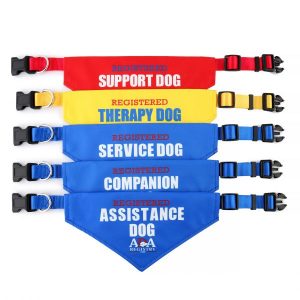
Service Dog Bandana
$39.95 Learn more This product has multiple variants. The options may be chosen on the product page
Custom ID Cards

Custom ID Cards
All States
Canada Cards
Custom Service Dog Tags
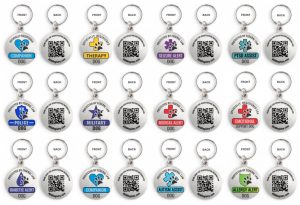
Official Dog Vests
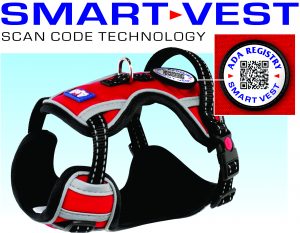
Smart Vests
Official Public Access Kits
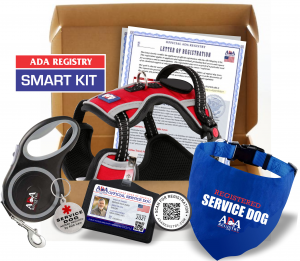
Complete Kits
USA & CANADA Letters
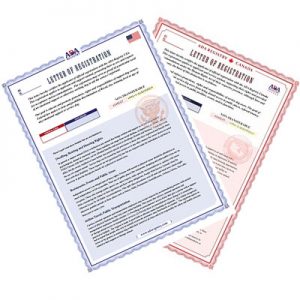
High Quality Bandanas
Service Dog Tags
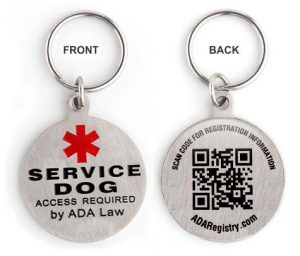
Smart Tags

ESA TAGS