French Bulldog as a Service Dog
Register Any Breed
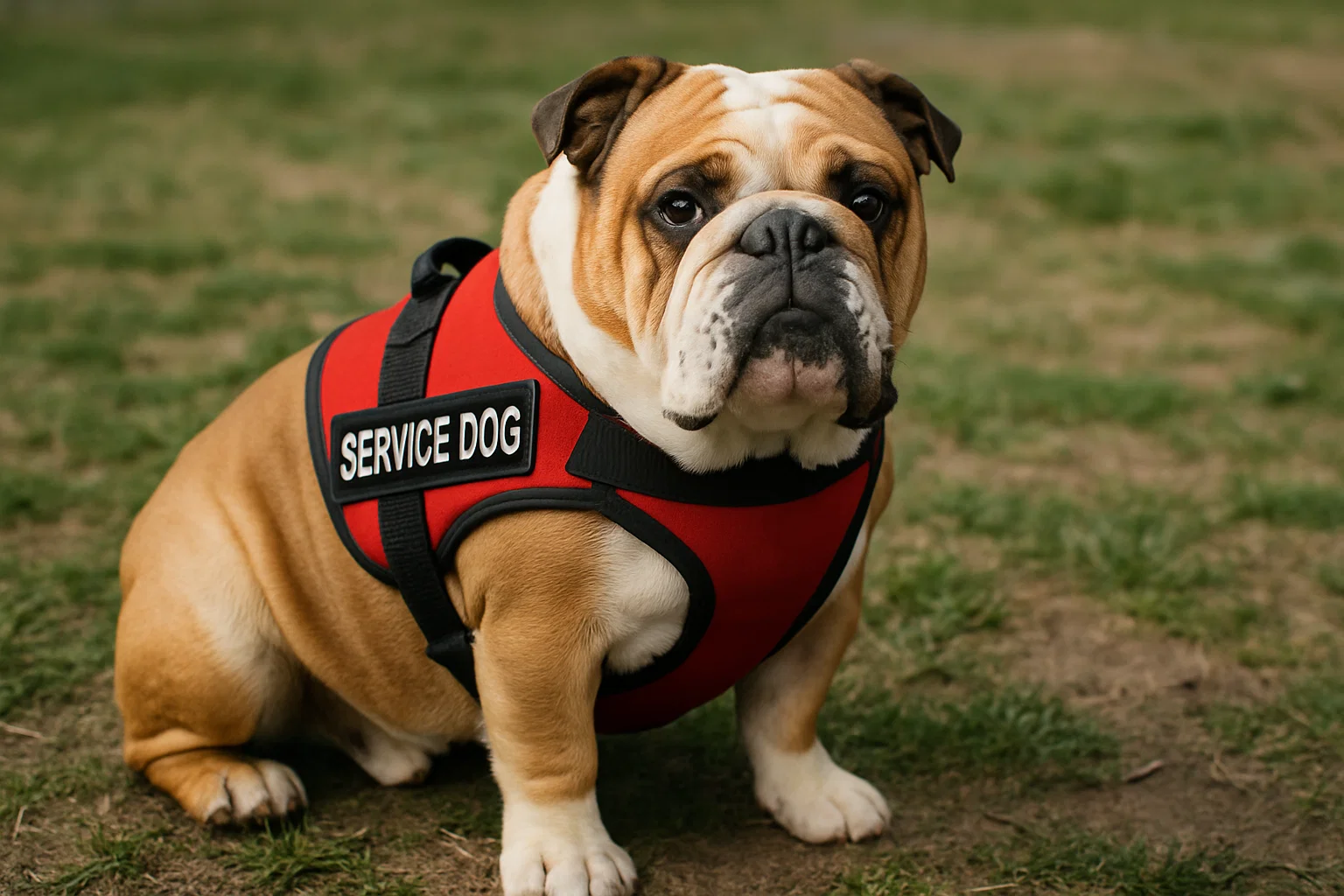
The concept of service dog work often brings to mind breeds like the Labrador Retriever or Golden Retriever, known for their affable nature and eager work ethic. However, many people overlook the French Bulldog as a potential candidate for service work. While not traditionally seen as service dogs, French Bulldogs possess several traits that can be advantageous in specific domains of service work. This comprehensive guide delves into the various aspects of the French Bulldog as a service dog, examining their strengths, potential roles, and considerations for their effective deployment.
French Bulldog Overview
Originating from England but later popularized in France, the French Bulldog is a small but sturdy breed known for its distinctive bat-like ears and charming personality. Although initially bred as a companion dog, their surprising adaptability allows them to serve in certain niches of the service dog spectrum.
Physical Characteristics
French Bulldogs are easily recognizable due to their compact size and distinct facial features. Typically weighing between 16 to 28 pounds and standing around 11 to 12 inches tall, they possess a muscular build with a short, smooth coat. Their unique physical attributes influence their suitability for various service roles:
- Size and Strength: The smaller size of French Bulldogs makes them less suited to tasks requiring physical strength, such as mobility assistance. However, their compact form is perfect for environments where space is limited, such as small apartments or crowded urban areas.
- Energy Levels: French Bulldogs are known for having moderate energy levels. This makes them ideal for those who require a less energetic service dog that doesn't require extensive outdoor exercise. However, their energy levels can sometimes limit the duration they can work actively compared to more high-energy breeds.
Temperament and Attitude
The temperament of a French Bulldog can be considered both a strength and a limitation in the context of service work. These dogs are characterized by an even-tempered demeanor, which is central to their candidacy as service dogs.
- Affectionate and Loyal: French Bulldogs form strong bonds with their owners, making them exceptional companions. This close bond is beneficial for service roles requiring constant companionship, like psychiatric or emotional support.
- Social Nature: Their generally friendly and sociable nature enables them to be comfortable in public settings, thriving in environments with numerous people.
- Stubbornness: While affectionate, French Bulldogs can be stubborn, which sometimes poses challenges in training. Consistent and patient training methods are crucial to harness their potential in service roles.
Types of Service Work
Although their physical build limits them in physical service tasks, French Bulldogs shine in roles such as:
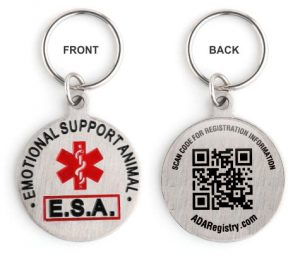
- Emotional Support Animal (ESA): Their calming presence and affectionate disposition make them excellent emotional support companions. They are well-suited to providing comfort in stressful environments or to individuals with anxiety or depression.
- Therapy Dogs: Their sociable attitude and comforting presence are ideal for therapy work in hospitals, schools, and nursing homes.
- Psychiatric Service Dogs: In tasks that require emotional grounding and non-strenuous support operations, French Bulldogs can be highly effective.
Health Considerations
When considering a French Bulldog for service work, it's essential to understand their health profile:
- Brachycephalic Syndrome: Due to their short snouts, French Bulldogs are prone to respiratory issues, which can restrict their ability to engage in strenuous or prolonged activities.
- Heat Sensitivity: These dogs do not handle heat well, necessitating careful management of their environment, especially during warm months.
- Potential for Joint Disorders: Despite their small size, French Bulldogs can suffer from joint issues, such as hip dysplasia or patellar luxation, which can limit their ability to perform tasks.
Training and Suitability
Training a French Bulldog for service work comes with its own set of challenges and rewards:
Register Any Breed
- Trainability: While they may exhibit stubbornness, their intelligence enables them to learn commands and routines. Positive reinforcement and patience are key to training success.
- Independence vs. Bonding: French Bulldogs balance independence with a deep-seated loyalty to their handlers. This allows them to perform tasks autonomously when appropriately trained while maintaining a bond Essential for service work.
- Public Behavior: Given their sociable nature, they usually behave well in public settings, provided they are properly socialized and trained from a young age.
Summary of French Bulldog
In assessing the potential of French Bulldogs as service dogs, several key considerations must be noted:
- Strengths: Ideal for emotional support and therapy work due to their affectionate nature and compatibility with public settings.
- Weaknesses: Limited in roles requiring physical strength or endurance; requires thoughtful health management, particularly regarding respiratory and joint health.
- Ideal Service Roles: Emotional Support Animal, Therapy Dog, Psychiatric Service Dog.
In conclusion, while French Bulldogs may not fit the mold of traditional service dogs, their unique attributes and charming nature open doors to specific service roles where their qualities shine. By understanding their limitations and capacities, trainers and handlers can effectively employ them in roles where they provide meaningful assistance and companionship.


-
Public Access Kits
$149.00 Learn more This product has multiple variants. The options may be chosen on the product page -
Quick Ship Premium Vests
$48.00 – $82.00 Learn more This product has multiple variants. The options may be chosen on the product page -
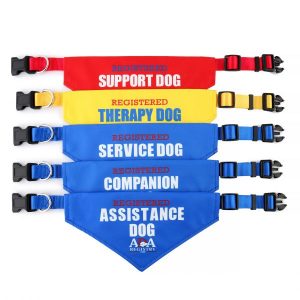
Service Dog Bandana
$39.95 Learn more This product has multiple variants. The options may be chosen on the product page
Custom ID Cards

Custom ID Cards
All States
Canada Cards
Custom Service Dog Tags
Official Dog Vests
Smart Vests
Official Public Access Kits
Complete Kits
USA & CANADA Letters
High Quality Bandanas
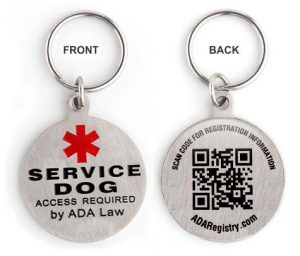
Service Dog Tags
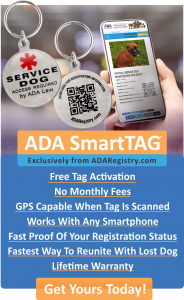
Smart Tags
ESA TAGS