German Pinscher as an Emotional Support Dog
Register Any Breed
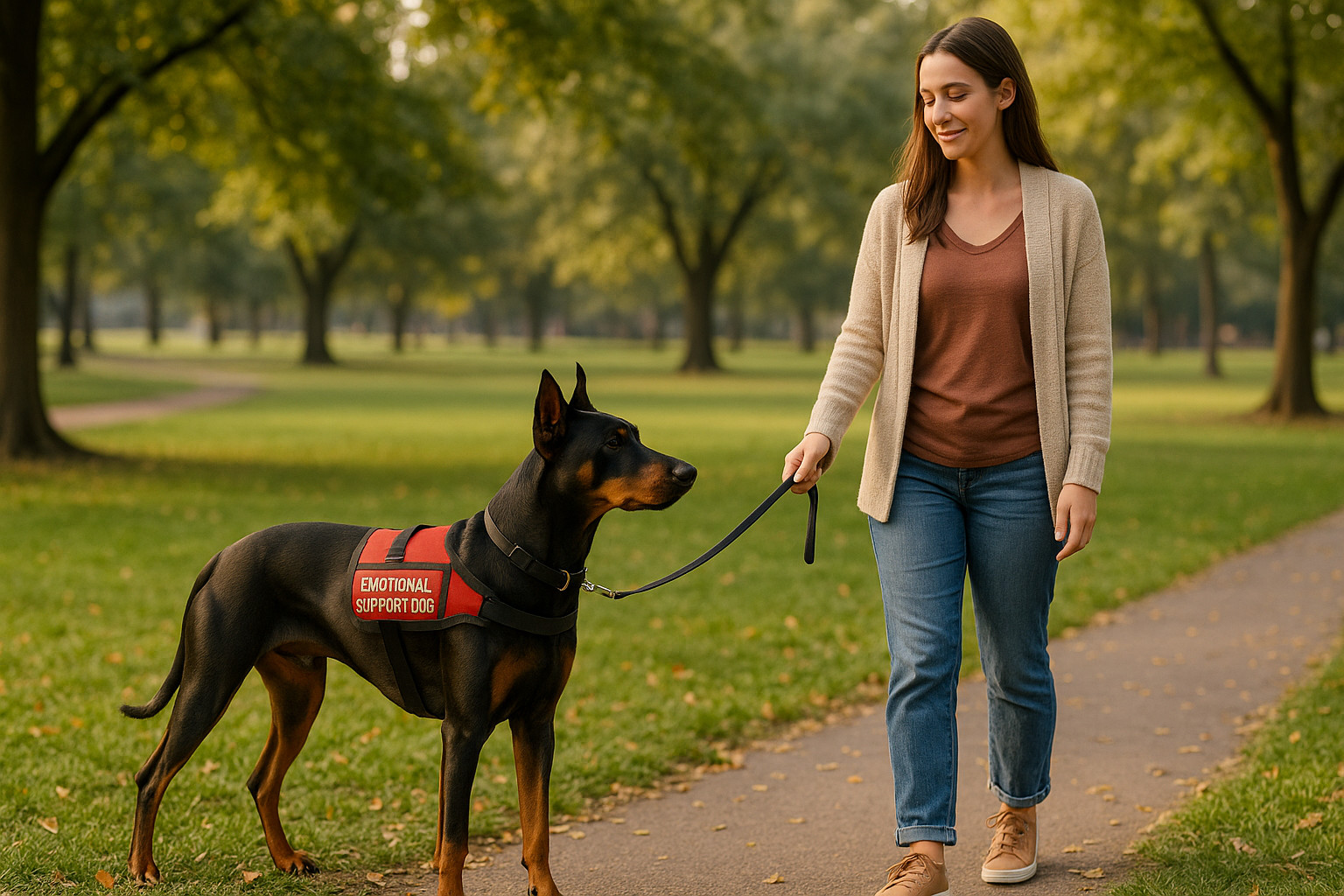
The German Pinscher is a robust and spirited breed, known for its intelligence and agility. While traditionally recognized for watchdog duties or agility activities, the German Pinscher exhibits qualities that can make it an excellent emotional support dog. This comprehensive guide explores the suitability of the German Pinscher as an emotional support animal (ESA), focusing on its temperament, adaptability, and care requirements.
Understanding the Emotional Support Role
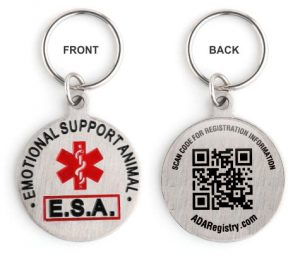
Emotional support animals are companions that provide comfort and emotional stability to individuals experiencing various mental health challenges, such as anxiety, depression, or PTSD. Unlike service dogs, ESAs do not perform specific tasks but offer their presence and companionship to enhance their handler's well-being.
German Pinscher Overview
The German Pinscher is a medium-sized breed, weighing between 25 to 45 pounds and standing about 17 to 20 inches tall. This breed is admired for its sleek, muscular build and short, shiny coat. Originating in Germany, these dogs were initially bred for roles such as rat-catching and guarding, but their genuine connection with humans makes them suitable as emotional support companions.
Temperament and Emotional Connection
German Pinschers are known for their loyalty, intelligence, and alertness. These dogs form strong bonds with their owners, providing them with a sense of security and unwavering companionship. Their keen sensitivity allows them to perceive emotional changes in humans, often responding with reassuring presence or playful distraction. This natural empathy makes them suitable for emotional support roles, where reading human emotions is key.
Adaptability and Daily Behavior
The adaptability of the German Pinscher is another trait that enhances its capability as an emotional support dog. Whether living in a bustling city apartment or a quiet suburban home, this breed can adjust to various environments. German Pinschers thrive on routine, which provides stability for those who may experience daily emotional fluctuations. Their playful nature, paired with moderate exercise needs, helps reduce owners' anxiety and stress by encouraging outdoor activities and physical engagement.
Situations Where German Pinscher Provides Strong Support
German Pinschers are particularly supportive in situations that require affection and active engagement. They are ideal companions for individuals who benefit from physical activities like walking or playing. Additionally, their alertness and protective instincts provide a reassuring presence, making them beneficial for those who may feel vulnerable or insecure.
Ideal Living Environments
The German Pinscher can adjust to different living environments, but they thrive best in homes where they receive abundant interaction. This breed is not suited for environments where they are left alone for extended periods, as they crave companionship and intellectual stimulation. Apartments can work well if daily exercise is provided, but family homes with a fenced yard offer greater freedom for this energetic breed.
Register Any Breed
Bonds with Different Types of People
The German Pinscher forms deep connections with various types of people, making them versatile emotional support animals. They work well with singles and families alike, adapting their energy and attention to suit their human companions' needs. Children appreciate their playful demeanor, while adults benefit from their calming presence.
Health, Care, and Wellbeing
In terms of health and care, German Pinschers generally enjoy robust health but require regular veterinary visits to maintain their wellbeing. In this section, we will delve into common health considerations, grooming needs, and how these factors contribute to their role as emotional support animals.
Common Health Considerations
While generally healthy, German Pinschers can be prone to certain genetic health issues such as hip dysplasia and eye disorders. Regular check-ups are vital to catch any potential problems early. Maintaining their health is crucial, as any discomfort can affect their ability to provide emotional support effectively.
Grooming, Comfort, and Maintenance Needs
German Pinschers have short, low-maintenance coats, needing only weekly brushing to keep them clean and comfortable. Regular grooming routines can also be a bonding experience, increasing the dog's attachment to their owner. Proper grooming supports their comfort, ensuring they can focus on their emotional support role without physical distractions.
Preparing a German Pinscher for Emotional Support Work
Before integrating a German Pinscher as an emotional support animal, it is important to focus on aspects such as socialization and training to ensure responsiveness and reliability.
Socialization and Responsiveness
Early socialization with people and other animals is key to a German Pinscher's development. Exposure to diverse environments helps them stay calm and composed in various situations. Responsive behavior is crucial, and positive reinforcement training aids in reinforcing their dependable nature, making them more effective in their support capacity.
Managing Stress and Emotional Cues
Understanding and managing stress is essential for a German Pinscher's effectiveness as an emotional support animal. Recognizing stress cues—such as pacing, whining, or excessive licking—enables owners to mitigate anxiety by adjusting routines or seeking professional guidance when necessary. Regular interaction and exercise also help to alleviate stress in this active breed.
Strengths, Challenges, and Ideal Homes for German Pinscher
The German Pinscher offers numerous strengths as an emotional support dog, including loyalty, sensitivity, and intelligence. However, they do require a committed owner who can dedicate time and energy to meet their high needs for interaction and activity. Homes that offer consistent companionship and stimulation are ideal for this breed, allowing them to flourish as supportive companions.
Final Thoughts
The German Pinscher's combination of intelligence, sensitivity, and loyalty makes it a worthy choice as an emotional support dog. By understanding their needs and strengths, potential owners can create an enriching environment where both the dog and the owner thrive.
Key Takeaways for the German Pinscher as an Emotional Support Dog
- Best suited for: Individuals or families who can provide consistent interaction, exercise, and attention.
- Not ideal for: People who are often away from home or unable to engage in active play with their dog.
- Emotional traits: Loyal, sensitive to human emotions, intelligent, and eager to provide companionship.
- Care and health notes: Requires regular veterinary check-ups and moderate grooming.
- Environments where they provide the most comfort: Active households, family homes with yards, or apartments with access to outdoor activities.


-
Public Access Kits
$149.00 Learn more This product has multiple variants. The options may be chosen on the product page -
Quick Ship Premium Vests
$48.00 – $82.00 Learn more This product has multiple variants. The options may be chosen on the product page -
Service Dog Bandana
$39.95 Learn more This product has multiple variants. The options may be chosen on the product page
Custom ID Cards

Custom ID Cards
All States

Canada Cards
Custom Service Dog Tags
Official Dog Vests

Smart Vests
Official Public Access Kits

Complete Kits
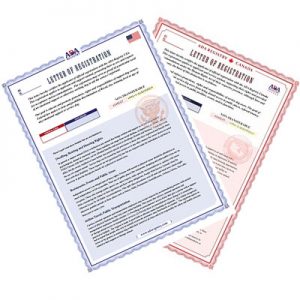
USA & CANADA Letters
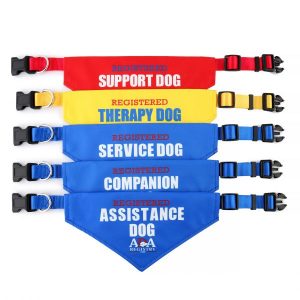
High Quality Bandanas
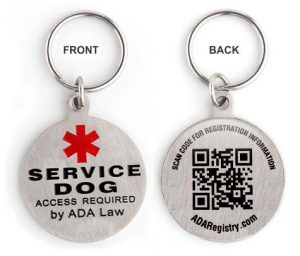
Service Dog Tags
Smart Tags

ESA TAGS