German Shorthaired Pointer as a Therapy Dog
Register Any Breed
German Shorthaired Pointer as a Therapy Dog Overview
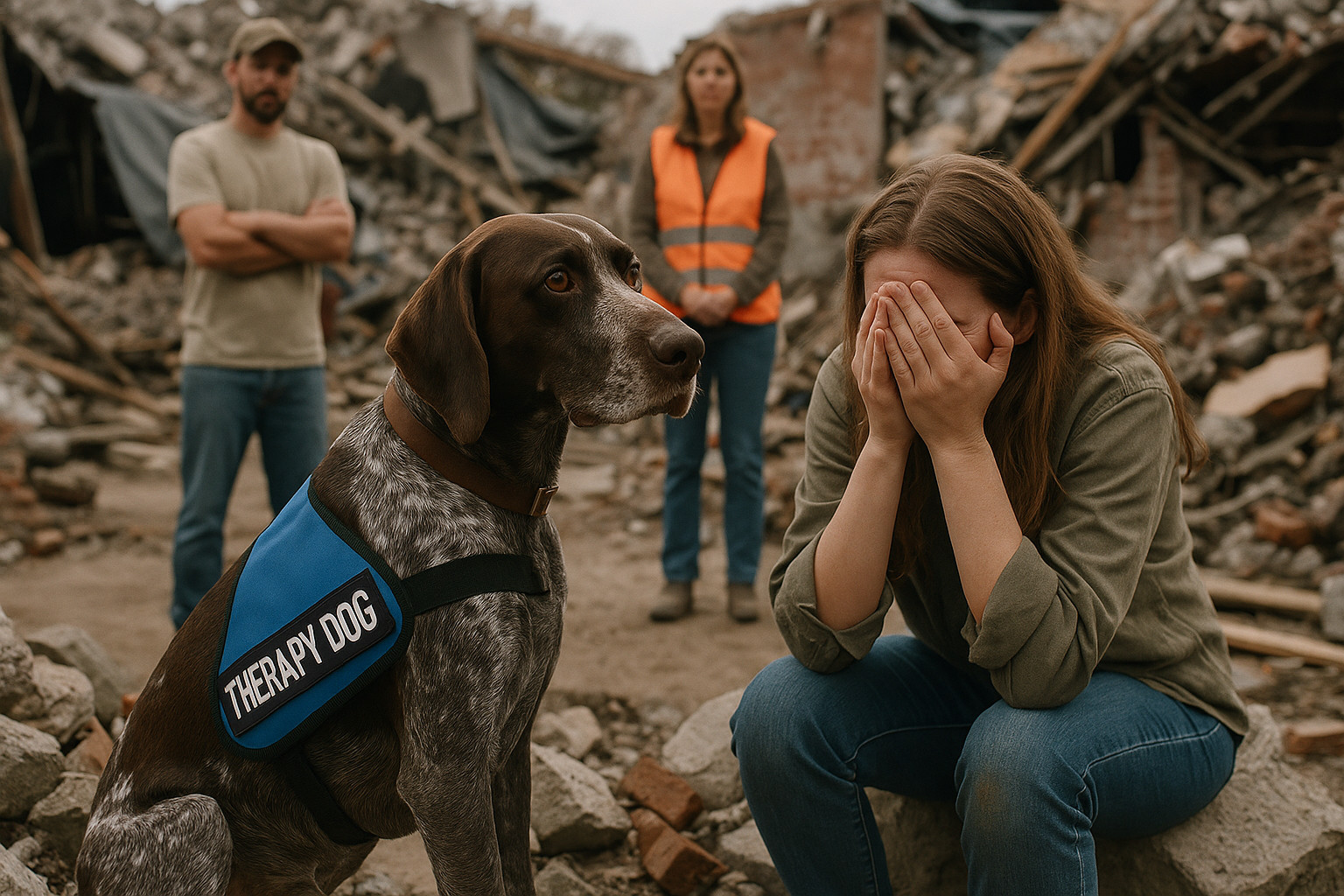
The German Shorthaired Pointer (GSP) is an intelligent and energetic breed with the potential to excel as a therapy dog. Known for their friendly nature and high energy, these dogs bring unique advantages to therapy sessions. In this comprehensive guide, we'll explore the suitability of the GSP for therapy roles, focusing on their temperament, trainability, and how they perform in various environments.
Understanding the Therapy Dog Role
Therapy dogs differ from service dogs in that their primary role is to provide comfort, emotional support, and affection to others, often in institutional settings like hospitals, schools, and nursing homes. They are not tasked with specific physical or alerting tasks but rather with providing companionship and reducing stress and anxiety.
Physical Appearance and Energy Level
The German Shorthaired Pointer is a medium to large-sized breed, known for their muscular build and sleek coat. Their high energy levels can be both an advantage and a challenge in therapy settings. These dogs require adequate physical activity to maintain a calm demeanor, which is essential for effective therapy.
- Muscular and Sleek: Their athletic build allows them to be agile and quick, useful traits when moving through different environments.
- High Energy: Consistent exercise is crucial to help them remain calm during therapy sessions.
Personality and Emotional Intelligence
GSPs are renowned for their friendly and eager-to-please personality, making them ideal candidates for therapy work. Their emotional intelligence is evident in their ability to respond to human emotions and provide comforting presence:
- Friendly Disposition: Naturally social, they enjoy being around people and are quick to make new friends.
- Emotional Responsiveness: The breed's sensitivity to human emotions helps in comforting patients, reducing stress, and alleviating anxiety.
Environments Where German Shorthaired Pointer Excels
The dynamic nature of a GSP makes them suitable for various therapy environments. They excel in settings where they can interact actively and participate in engagement activities with patients and clients:
- Hospitals and Clinics: Their calming presence can provide relief to patients undergoing medical treatment.
- Rehabilitation Centers: GSPs' playfulness can encourage movement and participation in physical activities.
- Educational Settings: Especially effective around children, they can provide emotional support and motivate learning and social interactions.
Common Therapy Settings
In therapy settings, GSPs impact the emotional well-being of different populations. Their adaptability allows them to thrive in diverse environments:
- Elderly Care Facilities: They engage seniors with gentle behavior and companionship, promoting mental and emotional wellness.
- Schools and Special Education Programs: Support children with developmental challenges, providing comfort and encouragement.
- Hospitals: Serve as calming presences in pediatric wards and mental health facilities, aiding in reducing anxiety and stress.
Interactions with Different Populations
Each therapy session can vary significantly depending on the demographic involved. The GSP's versatile nature allows them to adapt their interactions according to the needs of the individuals:
Register Any Breed
- Children and Adolescents: Known for their gentle play, GSPs can be both a source of amusement and comfort.
- Adults and Seniors: The breed's steady temperament reassures and provides a peaceful atmosphere.
- Individuals with Anxiety or PTSD: Their empathetic nature helps in grounding and bringing emotional stability.
Health and Wellness Factors
Being mindful of a therapy dog's health is essential to ensure they can perform their duties comfortably and effectively. GSPs generally have robust health but require regular checks to prevent any impact on their therapy performance:
- Healthy Diet and Exercise: A balanced diet, coupled with regular physical activity, keeps them in optimal condition.
- Regular Vet Check-ups: Ensures they are free from any ailments that could limit their ability to engage safely.
Lifespan and Common Health Issues
German Shorthaired Pointers have a lifespan of approximately 12 to 14 years. Being informed about their common health issues helps in maintaining their ability to engage in therapy work:
- Hip Dysplasia: Regular exercise and proper weight management can mitigate risks of mobility issues.
- Ear Infections: Routine cleaning is necessary to prevent discomfort.
- Skin Allergies: Keeping a clean coat ensures they are free from irritants.
Maintenance and Care Needs
Proper grooming and care are crucial for hygiene and comfort during therapy sessions. GSPs require a moderate grooming regimen:
- Brushing: Regularly, to keep their coat free from dirt and dander.
- Bathing: As needed, especially after extensive outdoor activities.
- Nail Trimming: Ensures they are comfortable and safe during interactions.
Training and Certification Readiness
The intelligence and eagerness of the German Shorthaired Pointer make them excellent candidates for therapy-specific training:
- Obedience Training: Their keen sense of direction allows them to learn commands quickly.
- Calming Techniques: Training them to relax on cue can enhance their therapy effectiveness.
Learning Style and Responsiveness
GSPs possess a unique combination of traits that make learning and responsiveness key aspects of their therapy suitability:
- Problem Solving: They are quick learners who can adapt their behaviors based on the needs of a session.
- Positive Reinforcement: Respond well to reward-based training methodologies.
Handling Social and Emotional Stimuli
Exposure to various stimuli is expected during therapy visits. GSPs are generally good at processing these without becoming overly stressed:
- Social Adaptability: Their sociable nature helps them acclimate to different environments with ease.
- Emotional Readiness: Ability to pick up on emotional signals from humans, which they respond to empathetically.
Strengths, Limitations, and Ideal Roles for German Shorthaired Pointer
The German Shorthaired Pointer brings a set of strengths and limitations to therapy work that should be considered:
- Strengths: High levels of empathy and keen social intelligence, adaptability to different types of environments.
- Limitations: High energy might require management to prevent restlessness during longer sessions.
- Ideal Roles: Best in settings where interaction and energy expenditure are frequent, like schools and rehabilitation centers.
Final Thoughts
German Shorthaired Pointers are exceptional therapy dogs when their traits are harnessed correctly. Their combination of intelligence, emotional sensitivity, and friendly disposition positions them to effectively support various populations needing emotional or mental health therapy.
Key Takeaways for the German Shorthaired Pointer as a Therapy Dog
- Best suited for: Active therapy settings where engagement is key, such as schools and rehabilitation centers.
- Not ideal for: Low-energy environments where extended calm is essential without prior exercise.
- Temperament highlights: Friendly, adaptable, emotionally responsive.
- Care and health notes: Regular grooming and check-ups needed to maintain optimal health.
- Therapy environments where they shine: Hospitals, educational settings, and rehabilitation centers.


-
Public Access Kits
$149.00 Learn more This product has multiple variants. The options may be chosen on the product page -
Quick Ship Premium Vests
$48.00 – $82.00 Learn more This product has multiple variants. The options may be chosen on the product page -
Service Dog Bandana
$39.95 Learn more This product has multiple variants. The options may be chosen on the product page
Custom ID Cards

Custom ID Cards
All States

Canada Cards

Custom Service Dog Tags

Official Dog Vests

Smart Vests
Official Public Access Kits

Complete Kits
USA & CANADA Letters

High Quality Bandanas
Service Dog Tags

Smart Tags

ESA TAGS