Giant Schnauzer as a Therapy Dog
Register Any Breed
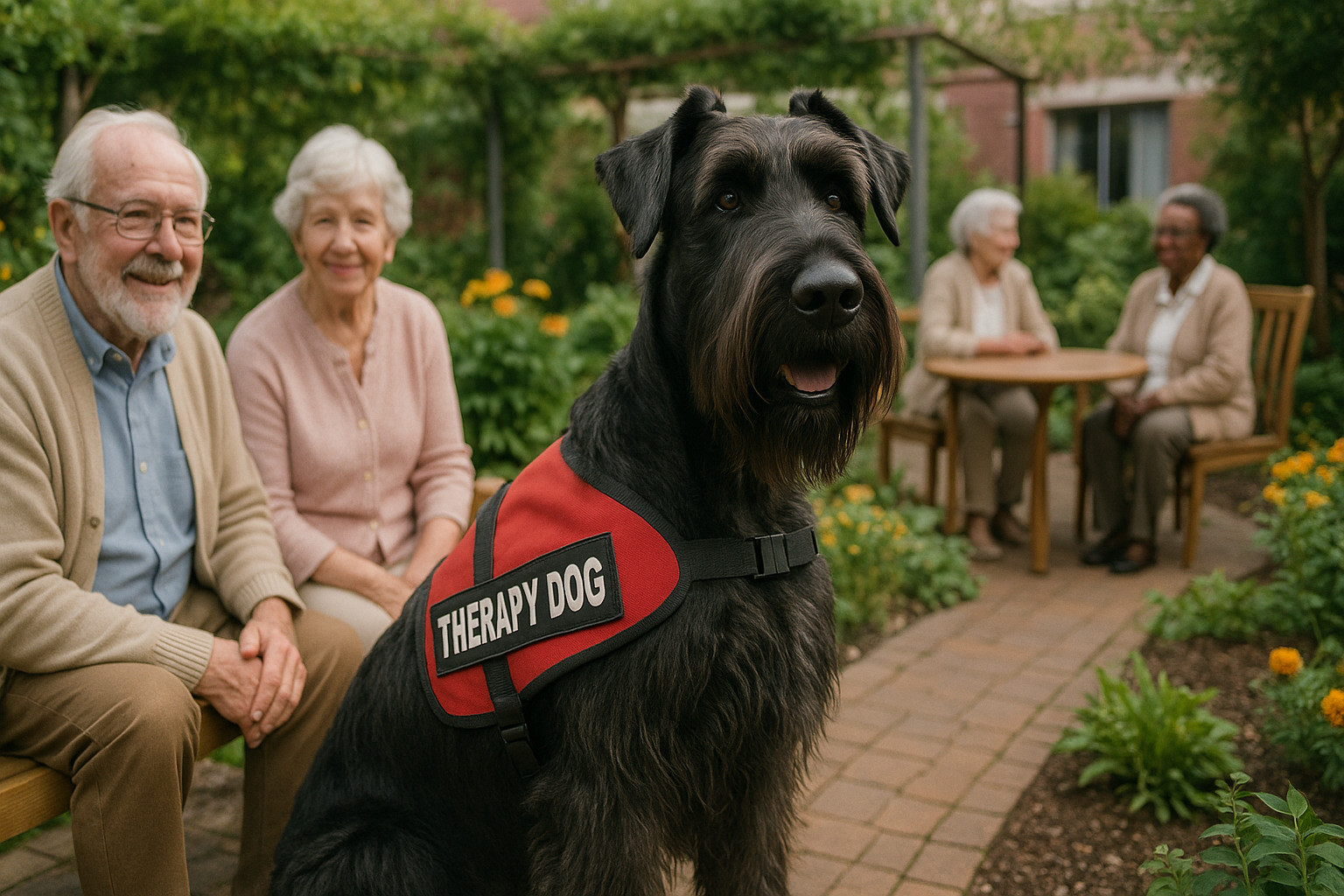
The Giant Schnauzer, with its striking appearance and robust build, often draws attention and admiration. Yet, beyond its physical attributes, this breed brings an impressive array of qualities that make it an intriguing candidate for therapy work. Though more commonly known for roles in security and protection, the Giant Schnauzer’s gentle nature and high intelligence also lend themselves well to the therapeutic environment.
Giant Schnauzer as a Therapy Dog Overview
Understanding the Therapy Dog Role
A therapy dog is a dog trained to provide comfort and support to individuals in a variety of settings, including hospitals, schools, and rehabilitation centers. Unlike service dogs, therapy dogs work for a wide range of people and often participate in animal-assisted activities or therapy sessions designed to improve physical, social, emotional, or cognitive functioning.
Giant Schnauzers possess several qualities conducive to therapy roles, such as intelligence, emotional sensitivity, and a robust build that can offer grounding support during physically interactive therapy sessions. Their ability to remain calm and composed in varied environments adds to their aptitude for this work, making them an asset in therapeutic settings.
Physical Appearance and Energy Level
The Giant Schnauzer is an imposing figure with a strong, muscular build, usually weighing between 55 and 85 pounds. This physical presence can be soothing or comforting, as their size often provides a sense of security to those they help. However, their energy levels, if not properly managed, could be a limiting factor in certain therapeutic contexts.
- Benefits of size: Their stature allows them to interact comfortably with adults needing emotional grounding or physical contact.
- Energy management: Requires moderate exercise to maintain calm demeanor, beneficial in therapeutic environments where tranquility is essential.
Personality and Emotional Intelligence
Giant Schnauzers are often characterized by their loyalty and protective nature. They've been selectively bred for their intelligence and ability to empathize with human emotions. This breed can detect emotional cues and respond appropriately, a critical trait for therapy dogs working with vulnerable populations.
- Empathy: Their ability to sense and react to human emotions enhances therapeutic interactions.
- Calm demeanor: Their balanced temperament is conducive to providing a calming presence in high-stress situations.
Environments Where Giant Schnauzer Excels
Giant Schnauzers are adaptable and thrive in environments where they can engage with various individuals while performing specific tasks. Their versatility allows them to excel in diverse therapy settings, provided they are introduced gradually and trained appropriately.
- Hospitals and nursing homes: Their calming presence is ideal for patients recovering post-surgery or undergoing long-term care.
- Rehabilitation centers: Physical strength allows them to assist with gentle physical activities or exercises.
Common Therapy Settings
In therapy contexts, the Giant Schnauzer’s attributes can be tailored to meet the needs of a wide array of clients. These settings require dogs to have a controlled temperament and the ability to provide emotional comfort.
Register Any Breed
- Hospitals and clinics: Providing emotional support and comfort during medical treatments.
- Schools: Helping children with anxiety or learning difficulties through structured interactions.
- Counseling centers: Aiding therapists by serving as calming influences during sessions.
Interactions with Different Populations
As therapy dogs, Giant Schnauzers can work effectively with diverse populations, offering unique forms of support depending on client needs. Their interactions often revolve around providing companionship, emotional relief, and, at times, participating in therapeutic exercises.
- Children: Overcoming anxiety and facilitating social skill development through play and interaction.
- Elderly individuals: Offering companionship that reduces loneliness and depression.
- Individuals with disabilities: Assisting in physical therapy settings or simply being a comforting presence.
Health and Wellness Factors
The health and wellness of a Giant Schnauzer significantly impact its effectiveness as a therapy dog. These factors are crucial in ensuring that the dog remains fit to perform its duties and maintain a safe, hygienic presence when interacting with vulnerable populations.
Lifespan and Common Health Issues
Giant Schnauzers typically live between 10-12 years but can encounter health issues common to larger breeds such as hip dysplasia or bloat, which could limit their therapy work.
- Healthcare needs: Regular veterinary check-ups are essential to manage potential health concerns proactively.
- Impact of health issues: Conditions like hip dysplasia might limit their ability to participate in physically demanding therapy activities.
Maintenance and Care Needs
Maintaining the Giant Schnauzer involves regular grooming due to their dense, wiry coat. Proper care ensures they remain comfortable and clean for therapy work.
- Grooming: Requires regular brushing and occasional trimming to maintain coat health and prevent matting.
- Veterinary care: Regular health screenings to prevent potential hereditary issues from causing discomfort or health decline.
Training and Certification Readiness
Training a Giant Schnauzer for therapy requires a nuanced approach focused on patience and consistency, emphasizing obedience and socialization from a young age.
Learning Style and Responsiveness
Giant Schnauzers are intelligent and learn quickly; however, they require direction and purpose in training. Their natural eagerness to please facilitates training for therapy roles.
- Responsive to structured training: Prefers tasks with clear commands and objectives.
- Adaptability: Can adjust to different therapeutic exercises and client interactions if trained well.
Handling Social and Emotional Stimuli
The social nature of therapy dogs means they must be proficient in handling diverse emotional stimuli, providing comfort and support in varied situations.
- Social skills: Giant Schnauzers can effectively handle diverse settings, offering stable interactions.
- Emotional resilience: Ability to maintain composure and offer consistent support despite the emotional environment.
Strengths, Limitations, and Ideal Roles for Giant Schnauzer
While Giant Schnauzers demonstrate impressive capabilities as therapy dogs, it’s important to consider their strengths and limitations to align them with appropriate roles effectively.
- Strengths: Intelligence, empathy, and strong, comforting physical presence.
- Limitations: Requires regular exercise and mental stimulation to prevent restlessness.
- Ideal roles: Situations needing a calming presence and activities aimed at emotional support and physical interaction.
Final Thoughts
The Giant Schnauzer, with its blend of intelligence, emotional sensitivity, and physical presence, provides considerable benefits in therapy settings. Their ability to adapt to different environments and interact positively with people across various age groups and needs makes them highly effective therapy dogs. Given the right training and care, this breed can thrive and bring comfort to those in need.
Key Takeaways for the Giant Schnauzer as a Therapy Dog
- Best suited for: Hospitals, rehabilitation centers, and schools.
- Not ideal for: Environments with limited space for physical activity.
- Temperament highlights: Loyal, empathetic, and composed.
- Care and health notes: Requires regular grooming and health checks.
- Therapy environments where they shine: Settings requiring emotional support and a calming physical presence.


-
Public Access Kits
$149.00 Learn more This product has multiple variants. The options may be chosen on the product page -
Quick Ship Premium Vests
$48.00 – $82.00 Learn more This product has multiple variants. The options may be chosen on the product page -
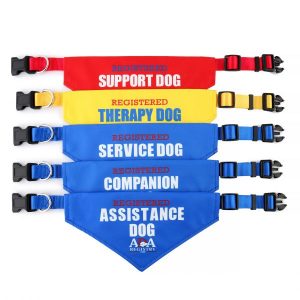
Service Dog Bandana
$39.95 Learn more This product has multiple variants. The options may be chosen on the product page
Custom ID Cards

Custom ID Cards
All States

Canada Cards
Custom Service Dog Tags
Official Dog Vests

Smart Vests
Official Public Access Kits
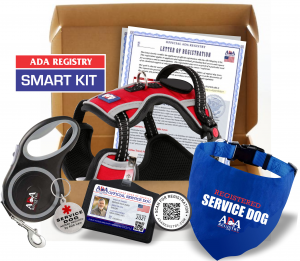
Complete Kits
USA & CANADA Letters

High Quality Bandanas
Service Dog Tags
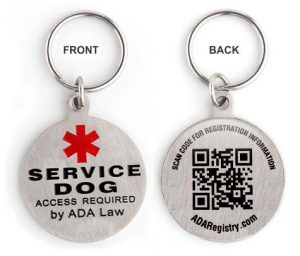
Smart Tags

ESA TAGS