Great Pyrenees as a Service Dog
Register Any Breed
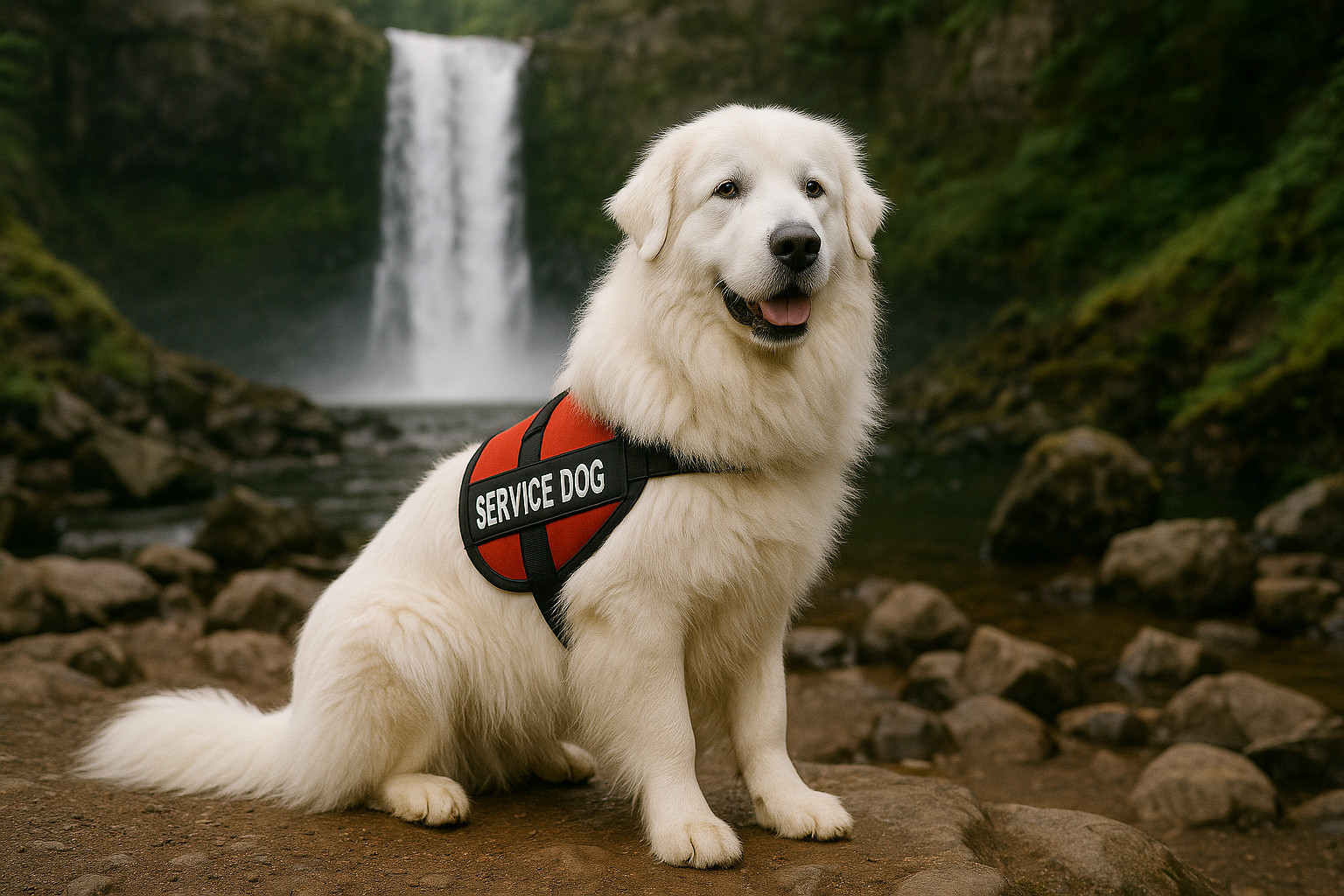
The Great Pyrenees, known for their majestic appearance and gentle disposition, are beloved by many for their combination of size and grace. As service dogs, they offer unique strengths and face specific challenges. Understanding the Great Pyrenees' suitability as a service dog involves examining their physical characteristics, temperament, types of service work they're suited for, health considerations, and training capabilities.
Great Pyrenees Overview
Originating from the Pyrenees mountains, these dogs were historically bred to guard livestock, a role that has shaped their characteristics and behaviors. Today, their legacy as protective and reliable companions persists, making them a potential choice for certain types of service work.
Physical Characteristics
- Size and Strength:
The Great Pyrenees is a large breed, typically weighing between 85 to 115 pounds, with males often larger than females. Their sheer size and strength can be advantageous in service roles that require physical assistance, such as mobility support.
- Coat and Maintenance:
Their thick double coat, designed to withstand harsh mountain climates, requires regular grooming to prevent matting and skin issues. This maintenance aspect is crucial for handlers to consider, especially those who may struggle with regular grooming tasks.
- Energy Level:
Although generally calm indoors, the Great Pyrenees maintain a moderate energy level, needing regular exercise to stay healthy and prevent obesity-related health issues.
Temperament and Attitude
- Independence and Intelligence:
The Great Pyrenees is known for its independence, a trait inherited from its history as a livestock guardian. While intelligent, this independence can sometimes translate into a perceived stubbornness during training. However, this very trait also enables them to act decisively in protective roles without constant human feedback.
- Gentle and Patient Nature:
Their gentle demeanor makes them suitable for environments involving children or vulnerable individuals. They are naturally patient and tolerant, vital traits for a service dog often exposed to various situations and stresses.
Register Any Breed
- Protective Instincts:
The Great Pyrenees' protective nature is both a strength and a challenge. While it makes them excellent at guarding and providing a sense of security, it can also lead to overprotectiveness, requiring diligent training and socialization.
Types of Service Work
- Mobility Support:
Given their size and strength, Great Pyrenees can excel in roles requiring physical support, such as helping individuals with mobility impairments. Their steady gait and robustness allow them to provide significant support in maintaining balance and movement.
- Therapeutic and Emotional Support:
Their calm and patient nature suits them well for roles in therapeutic and emotional support. They provide comfort through their presence, reducing anxiety and promoting a therapeutic environment for people facing emotional challenges.
- Guarding and Protection:
Their inherent guarding instincts can be channeled into specialized roles where protection and alertness are desirable. It's essential to balance these instincts with consistent training to avoid overly protective behavior in non-threatening situations.
Health Considerations
- Genetic Conditions:
The breed is predisposed to certain genetic health issues, including hip dysplasia, bloat, and certain heart and eye conditions. Regular veterinary checks and a proper diet are essential to address these potential issues early.
- Lifespan and Aging:
The average lifespan of a Great Pyrenees is about 10-12 years. As they age, they are prone to arthritis, which can impact their effectiveness in service roles requiring physical activity.
- Overall Maintenance:
Potential service dog handlers must consider the breed's grooming and health maintenance requirements, as these can affect the dog’s ability to perform their role effectively over the long term.
Training and Suitability
- Training Approach:
While intelligent, the Great Pyrenees require a training approach that appreciates their independent minds. Positive reinforcement and patience are critical in training them for specialized tasks.
- Suitability for Stressful Environments:
Their calm disposition often serves well in stressful situations. However, their protective nature might require extra socialization to ensure they can discern between real threats and normal environmental occurrences.
- Handler Compatibility:
Due to their size, strength, and specific temperament needs, handlers of Great Pyrenees must be capable of providing firm, consistent training and be equipped to manage their protective instincts effectively.
Summary of Great Pyrenees
In sum, Great Pyrenees possess several traits that make them potential candidates for certain service dog roles. However, it's crucial to match their abilities and needs with the handler's lifestyle and requirements.
- Key Strengths:
- Ideal for mobility support due to size and strength.
- Gentle, patient, and calm temperament.
- Strong protective instincts offer security and confidence.
- Weaknesses:
- High grooming and maintenance needs.
- Potentially stubborn and independent during training.
- Predisposed to certain health conditions.
- Ideal Service Roles:
- Mobility and balance support.
- Emotional and therapeutic support settings.
- Specialized protection and alert roles with proper training.
By recognizing their behavioral traits and health considerations, prospective service dog handlers can make informed decisions about the suitability of the Great Pyrenees as a service animal. With proper training and care, they have the potential to be profoundly beneficial companions tailored to meet specific needs.


-
Public Access Kits
$149.00 Learn more This product has multiple variants. The options may be chosen on the product page -
Quick Ship Premium Vests
$48.00 – $82.00 Learn more This product has multiple variants. The options may be chosen on the product page -
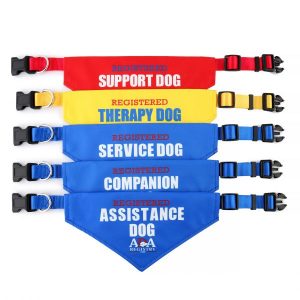
Service Dog Bandana
$39.95 Learn more This product has multiple variants. The options may be chosen on the product page
Custom ID Cards

Custom ID Cards
All States
Canada Cards
Custom Service Dog Tags
Official Dog Vests
Smart Vests
Official Public Access Kits
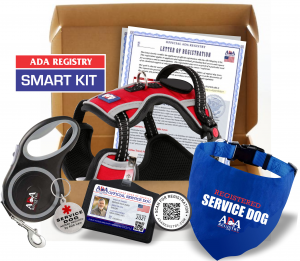
Complete Kits
USA & CANADA Letters
High Quality Bandanas
Service Dog Tags
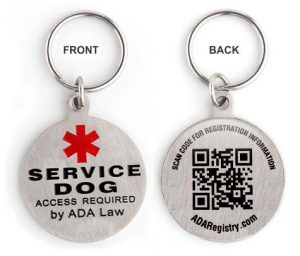
Smart Tags

ESA TAGS