Great Pyrenees as a Therapy Dog
Register Any Breed
Great Pyrenees as a Therapy Dog Overview
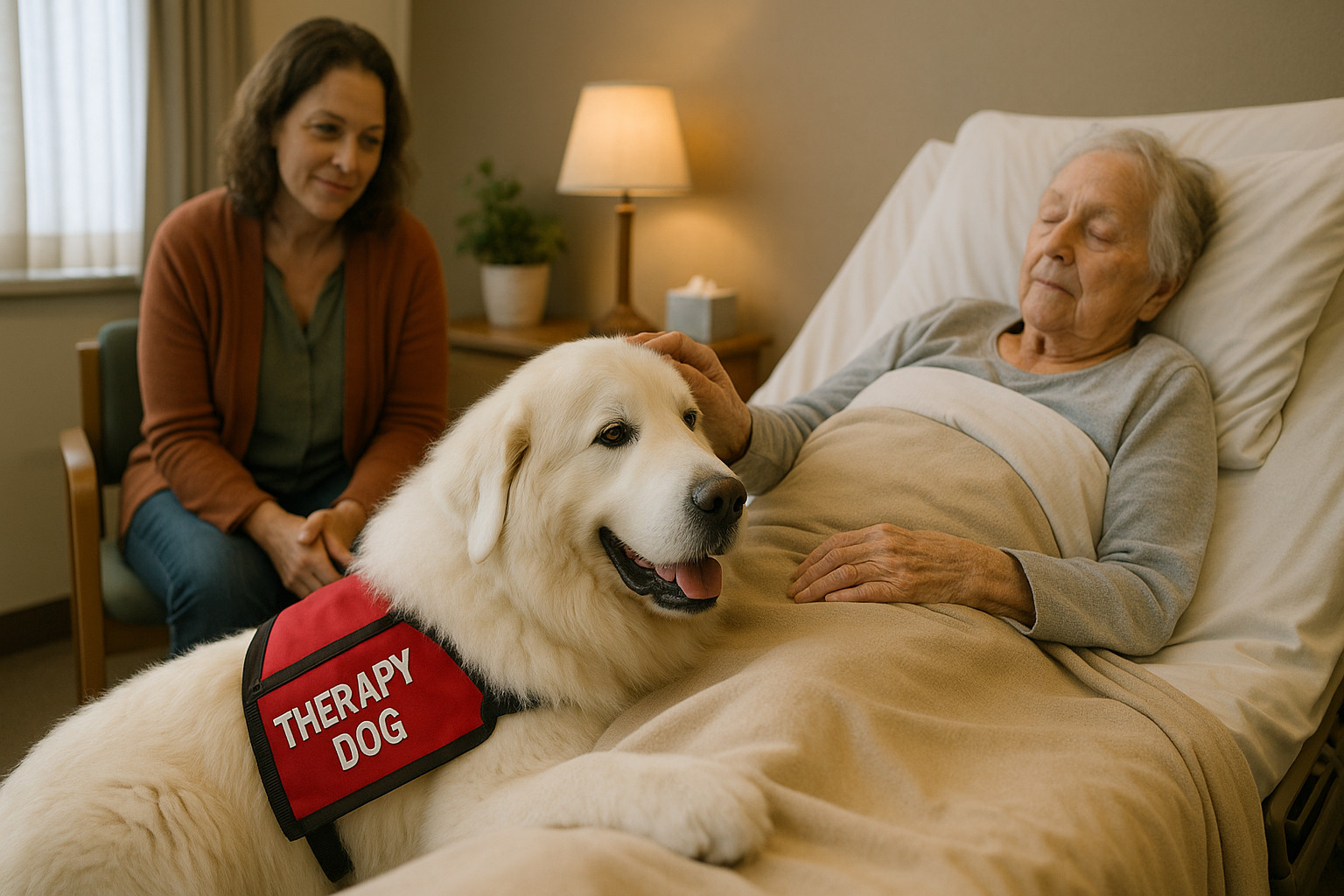
The Great Pyrenees, majestic and gentle, exemplifies the qualities of an exceptional therapy dog. Known for their calm demeanor and profound empathy, Great Pyrenees dogs are increasingly being recognized as effective animal-assisted therapy partners. While primarily bred as livestock guardians, their temperament and behavior make them uniquely suited for therapeutic roles, providing comfort and emotional support in a range of settings. This article delves into the specific traits, training considerations, and ideal environments for Great Pyrenees therapy dogs, offering a comprehensive evaluation for those considering this breed for therapy work.
Understanding the Therapy Dog Role
Therapy dogs provide emotional support, comfort, and sometimes physical reassurance to individuals across various settings. Different from service dogs, therapy dogs do not perform specific tasks related to disability but instead are champions of emotional caregiving. The main responsibilities of a therapy dog include interacting with patients to improve their mood, reduce anxiety, and promote socialization. This requires a particular skill set, characterized by friendliness, patience, and emotional intelligence. The Great Pyrenees’ calm nature and ability to intuit human emotions make them exceptional candidates for these roles, often effortlessly understanding the needs of those they interact with.
Physical Appearance and Energy Level
Boasting a striking physical appearance, the Great Pyrenees is a large, elegant dog known for its thick, white coat and expressive eyes. While their size might be intimidating, it contributes to their gentle giant persona – a loving presence that can be quite comforting in therapeutic settings. In terms of energy levels, they are moderate to low-energy dogs. This calm demeanor allows them to sit quietly with clients, providing the patient and unflustered companionship often needed in therapy sessions. They are equally at ease in active environments, if required to engage, but their natural propensity for calmness is where they truly shine.
Personality and Emotional Intelligence
Renowned for their patience and tolerability, Great Pyrenees have a personality that pairs well with their intuition-driven emotional intelligence. They are naturally protective yet gentle, allowing them to be both comforting and reassuring in interactions. Their patience makes them adept at handling long therapy sessions or maintaining serenity in bustling environments. Great Pyrenees exhibit profound empathy, often responding to emotional cues from humans with greater sensitivity than other breeds. Their ability to remain composed, paired with a keen sense of understanding human emotions, makes them adept at interpreting the mood and needs of those they are comforting.
Environments Where Great Pyrenees Excels
The versatility of the Great Pyrenees allows them to adapt to many environments, from hospitals and nursing homes to schools and rehabilitation centers. Their calm and confident demeanor helps them acclimate to different settings, where they serve as a comforting anchor amidst potential chaos. Their size and stoic presence make them particularly suited to environments where space is ample, allowing them to project an aura of stability and protection. They thrive in spaces where a gentle, unhurried presence is needed to create a sense of calm and safety for patients or clients.
Common Therapy Settings
Commonly found assisting in hospitals and pediatric wards, the Great Pyrenees excels in settings that require a soothing presence. In nursing homes, their calm demeanor reassures residents, offering companionship and emotional support. In educational environments, such as schools, they help reduce anxiety and stress among students, fostering a conducive learning atmosphere. They are also effective in rehabilitation centers, where patients working through recovery from physical or mental health challenges benefit from their reassuring presence. With their impressive adaptability, Great Pyrenees dogs manage to cater to both the young and elderly, meeting their diverse therapeutic needs.
Interactions with Different Populations
The Great Pyrenees, noted for their gentle and understanding nature, interacts beautifully with a range of populations. Their calmness provides comfort to anxious children or individuals with developmental disorders. For older adults, their larger size coupled with gentleness can provide physical and emotional reassurance. These dogs excel in creating connections with individuals experiencing depression or anxiety, as their natural empathy often fosters a healing bond with those they support. Moreover, their ability to gauge emotional needs enables them to tailor their interactions, making them highly effective in one-on-one or group therapy sessions.
Register Any Breed
Health and Wellness Factors
Maintaining health and wellness is crucial for therapy dogs, ensuring they are fit to serve. The Great Pyrenees, generally healthy with a lifespan of 10 to 12 years, requires regular veterinary check-ups to monitor potential health issues. They thrive on proper nutrition and moderate exercise, which is essential to keep them in optimal condition for therapy work. Regular health evaluations, including screenings for common issues like hip dysplasia or bloat, are important to ensure they can perform their duties without discomfort or health risks to themselves or the people they help.
Lifespan and Common Health Issues
Typically, the Great Pyrenees has a lifespan ranging from 10 to 12 years. While generally robust, they can be prone to specific health problems, such as hip dysplasia, bloat, and certain heart conditions. These health concerns require proactive management through regular veterinary visits and appropriate care. By keeping these dogs at a healthy weight and maintaining an informed awareness of potential health issues, handlers can ensure that their Great Pyrenees remain healthy and active therapy dogs throughout their lifespan, enabling them to provide supportive services for longer periods.
Maintenance and Care Needs
Regular grooming is an essential aspect of caring for a Great Pyrenees, thanks to its thick, weather-resistant coat. Frequent brushing helps mitigate shedding and maintain a neat appearance, which is important among therapy dogs interacting with the public. Professional grooming may be required to ensure their coat remains manageable and free from mats or tangles, especially during seasonal changes. Proper ear cleaning, nail trimming, and dental care are additional requirements to maintain their overall health and appearance, facilitating their comfort and effectiveness in a therapeutic role.
Training and Certification Readiness
Training a Great Pyrenees as a therapy dog involves nurturing their natural empathy while instilling obedience and manners. Although intelligent, their independent nature can pose an initial training challenge. Motivated by positive reinforcement, these dogs respond well to compassionate guidance, leading to optimal performance during therapy sessions. It’s essential that therapy dogs pass certification exams that demonstrate their suitability for the role. The typical Great Pyrenees quickly embraces the routines of therapy work, learning to thrive in structured interactions and consistently meeting certification criteria.
Learning Style and Responsiveness
Great Pyrenees dogs exhibit an independent yet attentive learning style. While initially presenting an aloof approach, these dogs can be highly responsive to consistent, positive reinforcement and rewards. Training them requires patience, as they can be slow to react initially, but once trust and rapport are established, their performance is exemplary. It's crucial to understand that their best learning occurs through positive social interactions, fostering an environment where they willingly engage with both trainers and those they help during therapy work.
Handling Social and Emotional Stimuli
The Great Pyrenees exhibits exceptional calmness when exposed to social and emotional stimuli that may overwhelm other breeds. They can maintain composure in high-stress environments, such as hospitals or schools, offering consistent emotional stability. Their capability to filter out unnecessary distractions while focusing on an individual's needs makes them optimal therapy companions. Through innate sensitivity and patient understanding, these dogs become capable conduits between support personnel and those requiring emotional and social aid, amplifying the positive impact of therapy sessions.
Strengths, Limitations, and Ideal Roles for Great Pyrenees
The strengths of the Great Pyrenees lie in their calm, gentle disposition and emotional acuity. Their limitations, however, may include challenges pertaining to size and shedding, which can restrict their presence in more compact environments. Ideal roles for the Great Pyrenees involve therapeutic settings that benefit from their serene and reassuring presence where space is abundant, such as large rehabilitation centers, spacious nursing homes, and outdoor therapy programs. These environments maximize their strength in providing comfort and emotional security without constraining their movement.
Final Thoughts
The Great Pyrenees, with its noble disposition and innate kindness, proves to be a comforting therapy dog for a wide spectrum of therapeutic engagements. Their empathy and emotional intelligence make them indispensable in improving the emotional wellbeing of those in need. A successful transition into a therapy role largely depends on thoughtful training, health maintenance, and an understanding of their unique learning style. Ultimately, the Great Pyrenees enriches lives through compassionate service, embodying the impact a well-suited therapy dog offers in fostering healing connections.
Key Takeaways for the Great Pyrenees as a Therapy Dog
- Best suited for: Large, open environments such as spacious hospitals, rehabilitation centers, and nursing homes
- Not ideal for: Small, crowded spaces where their size and shedding might cause inconvenience
- Temperament highlights: Calm, gentle, empathetic, and patient, with a strong capacity for emotional intelligence
- Care and health notes: Requires regular grooming and health check-ups to ensure longevity and performance
- Therapy environments where they shine: Settings that allow their calming presence to thrive, like educational institutions, elderly care facilities, and large therapeutic arenas
This article provides a detailed overview that can guide trainers, volunteers, and professionals in selecting and training Great Pyrenees dogs for impactful therapy roles.


-
Public Access Kits
$149.00 Learn more This product has multiple variants. The options may be chosen on the product page -
Quick Ship Premium Vests
$48.00 – $82.00 Learn more This product has multiple variants. The options may be chosen on the product page -
Service Dog Bandana
$39.95 Learn more This product has multiple variants. The options may be chosen on the product page
Custom ID Cards

Custom ID Cards
All States

Canada Cards

Custom Service Dog Tags

Official Dog Vests

Smart Vests
Official Public Access Kits

Complete Kits
USA & CANADA Letters
High Quality Bandanas

Service Dog Tags

Smart Tags

ESA TAGS