Great Swiss Mountain Dog as an Emotional Support Dog
Register Any Breed
Understanding the Emotional Support Role
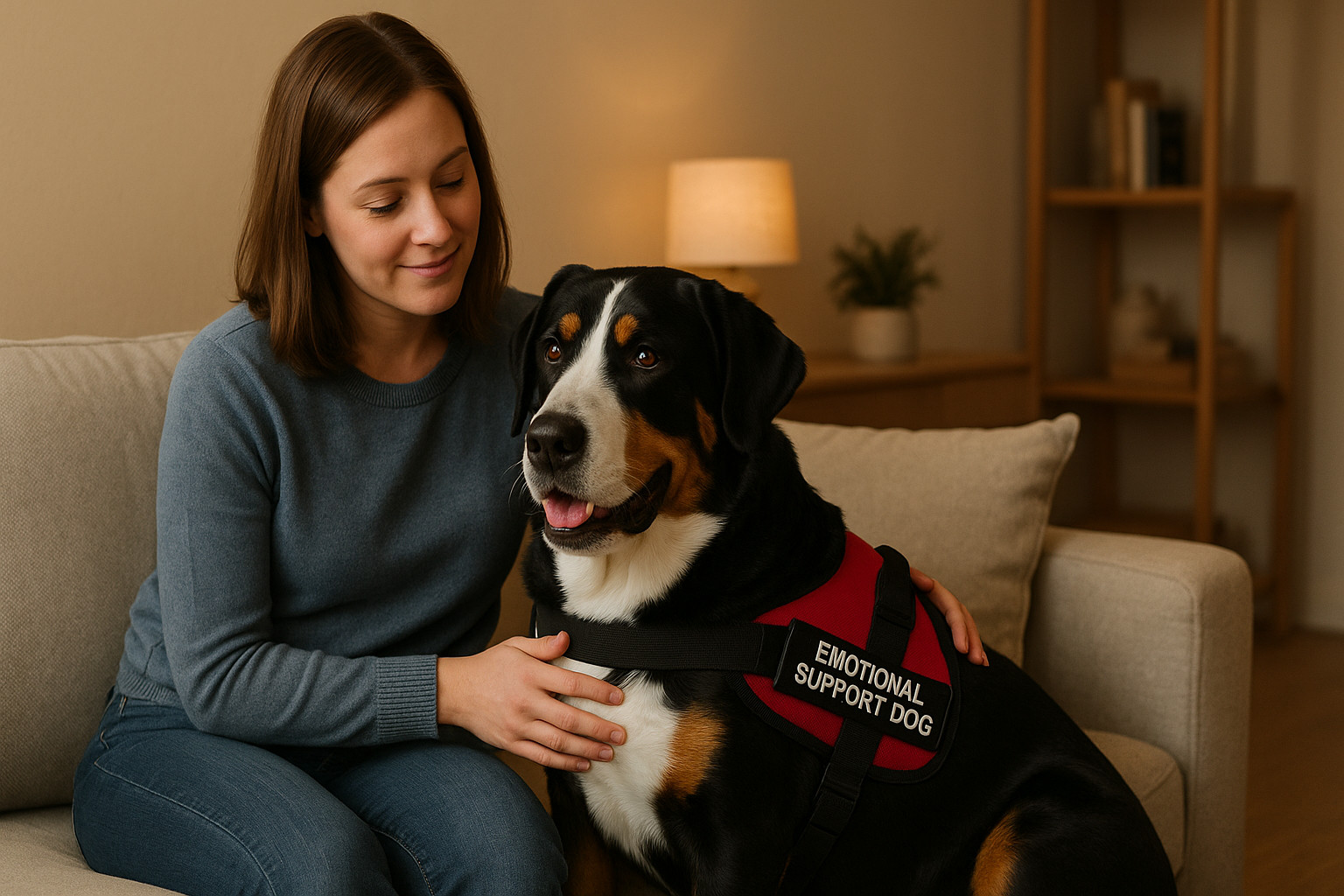
Emotional support animals (ESAs) provide invaluable assistance to individuals struggling with emotional difficulties or mental well-being challenges. Unlike service dogs, ESAs are not trained to perform specific tasks related to their handler’s disabilities. Instead, their primary role is to offer comfort, companionship, and emotional stability. The Great Swiss Mountain Dog, known for its affectionate nature and calm demeanor, can serve as a wonderful emotional support dog for the right individual or family.
Great Swiss Mountain Dog Overview
The Great Swiss Mountain Dog, often referred to as the Swissy, is a breed known for its large size and gentle nature. Originating from Switzerland, this breed was historically used as a draft dog and herder, but over time its roles have diversified, making it an excellent candidate for a companion and support role.
- Size and Appearance: The Swissy is a large, muscular dog with a striking tri-colored coat. Its robust build and gentle face exude strength and kindness, often instilling a sense of security and comfort in individuals.
- Lifespan: Generally, their lifespan ranges from 8 to 11 years, which is something prospective owners should consider regarding long-term companionship.
Understanding these characteristics helps establish why the Great Swiss Mountain Dog can be seen as a potential emotional support animal; their prominent presence alone can offer a calming effect.
Temperament and Emotional Connection
The temperamental traits of the Great Swiss Mountain Dog are central to its aptitude as an ESA. This breed is noted for its reliable, composed, and kind disposition. Their strong bond with humans is marked by several key aspects:
- Empathy and Sensitivity: These dogs are often naturally attuned to human emotions, displaying a remarkable capacity for empathy. They tend to sense mood shifts in their owners and respond with comforting proximity or quiet companionship.
- Loyalty: Swissies are profoundly loyal, forming deep bonds with their families, which ensures that they offer consistent emotional support and companionship.
Their gentle and intuitive nature allows them to read and react to emotional cues, making them excellent partners for those needing emotional reinforcement and companionship.
Adaptability and Daily Behavior
Adaptability is a crucial trait for an emotional support dog. The Great Swiss Mountain Dog's daily behavior is generally calm and composed, making it suitable for various living conditions:
- Daily Routine: They thrive on routine, which can offer structure and stability, further supporting emotional well-being.
- Playfulness versus Calm: While they enjoy regular exercise and play, they typically exhibit a relaxed demeanor inside the home, which helps maintain a peaceful environment conducive to reducing stress and anxiety.
While adaptable, consistent training and structure are required to ensure they fit seamlessly into their owner's lifestyle.
Register Any Breed
Situations Where Great Swiss Mountain Dog Provides Strong Support
The Great Swiss Mountain Dog excels in offering emotional support across various scenarios due to its size and temperament:
- Anxiety and Depression: Their comforting presence can alleviate anxiety symptoms and provide companionship during depressive episodes.
- Loneliness and Isolation: The bond they form with their owners helps reduce feelings of loneliness and isolation, offering consistent companionship and affection.
- Increased Social Interaction: With their sociable nature, owners find it easier to engage in social situations, naturally facilitated by having a friendly dog around.
These capabilities suggest that a Swissy can be effectively used in homes with varied emotional support needs.
Ideal Living Environments
Although versatile, certain environments are more suitable for the Great Swiss Mountain Dog:
- Family Homes: Their playful yet gentle nature makes them ideal for homes where they can interact with family members.
- Suburban and Rural Areas: Ample space to roam and play is ideal, although with adequate exercise, they can adapt to urban living.
- Assisted Living: Their calming presence is valuable in settings where companionship is key to enhancing life quality.
Careful consideration regarding space and activity levels will ensure that they contribute positively as an ESA.
Bonds with Different Types of People
A Great Swiss Mountain Dog forms strong connections with a variety of individuals due to its adaptive nature:
- Children: Known for their gentle nature, they often form protective and affectionate bonds with children.
- Elderly: Their calm demeanor and steady nature can be reassuring for older adults.
- Single Individuals: Their loyalty and companionship can drastically reduce feelings of loneliness and offer emotional stability.
Their ability to form meaningful bonds across different demographics makes them versatile as emotional support animals.
Health, Care, and Wellbeing
Maintaining the health and wellbeing of a Great Swiss Mountain Dog is crucial for it to effectively serve as an emotional support animal.
Common Health Considerations
While generally healthy, there are some breed-specific health considerations:
- Hip Dysplasia: Being a large breed, they are prone to hip and elbow dysplasia.
- Gastric Torsion (Bloat): Preventive measures, like proper feeding routines, are critical for this condition.
Regular check-ups and preventive care are essential to ensure that they remain healthy and happy companions.
Grooming, Comfort, and Maintenance Needs
Grooming needs contribute to comfort for both the dog and the owner:
- Coat Care: Their short, dense coat requires regular brushing to minimize shedding and maintain health.
- Dental and Ear Care: Regular dental hygiene and ear checks will prevent common health issues.
Routine grooming ensures that the Swissy remains comfortable and adds to a harmonious home environment.
Preparing a Great Swiss Mountain Dog for Emotional Support Work
A structured approach to preparing a Swissy for its role in emotional support includes several key components.
Socialization and Responsiveness
Proper socialization teaches them to be comfortable and responsive in varying situations:
- Puppy Socialization Classes: Introducing them to various environments and stimuli when young.
- Responsive Training: Focus on obedience training to ensure they are adaptively responsive to commands and unpredictable situations.
Core skills in responsiveness and adaptability will augment their ability to provide stable support.
Managing Stress and Emotional Cues
Managing their stress and interpreting human emotional cues is crucial:
- Stress Reduction Techniques for Dogs: Ensuring they have a stable, reassuring environment helps them cope with stressful situations.
- Reading Human Emotions: Their natural ability to pick up on human emotions can be enhanced through positive reinforcement and tailored interaction.
Understanding and managing their stress ensures they provide consistent emotional stability.
Strengths, Challenges, and Ideal Homes for Great Swiss Mountain Dog
While the Great Swiss Mountain Dog has many strengths, there are also challenges and ideal home conditions for maximizing their effectiveness as ESAs.
- Strengths: Loyalty, sensitivity to emotional cues, adaptability to family structures.
- Challenges: Needs regular exercise, potential health issues, may require consistent training.
- Ideal Homes: Best suited for families or individuals who can commit time to engage and maintain their regimen.
Thoughtful consideration of these factors will ensure a harmonious and mutually beneficial relationship.
Final Thoughts
The Great Swiss Mountain Dog is an affectionate and reliable breed that excels as an emotional support animal. Their ability to offer emotional stability, alongside their manageable nature and strong companionship attributes, makes them a suitable choice for many seeking emotional solace. By understanding their needs and nurturing their disposition, you can develop a symbiotic relationship that enhances well-being for both the dog and its human companion.
Key Takeaways for the Great Swiss Mountain Dog as an Emotional Support Dog
- Best suited for: Families or individuals in need of companionship and emotional stability
- Not ideal for: Those unable to meet exercise or grooming needs
- Emotional traits: Empathetic, loyal, calm, and responsive
- Care and health notes: Regular health check-ups and grooming are essential; attention to potential breed-specific health issues
- Environments where they provide the most comfort: Family homes, suburban areas, settings where calm companionship is valued
This guide showcases the Great Swiss Mountain Dog's potential as a supportive and enduring emotional support companion, advocating for the thoughtful integration of this remarkable breed into homes for comfort and healing.


-
Public Access Kits
$149.00 Learn more This product has multiple variants. The options may be chosen on the product page -
Quick Ship Premium Vests
$48.00 – $82.00 Learn more This product has multiple variants. The options may be chosen on the product page -
Service Dog Bandana
$39.95 Learn more This product has multiple variants. The options may be chosen on the product page
Custom ID Cards

Custom ID Cards
All States

Canada Cards

Custom Service Dog Tags
Official Dog Vests

Smart Vests
Official Public Access Kits
Complete Kits
USA & CANADA Letters
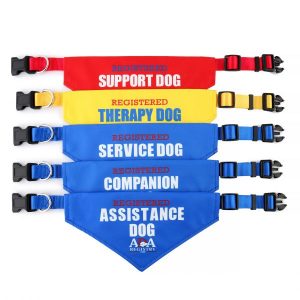
High Quality Bandanas
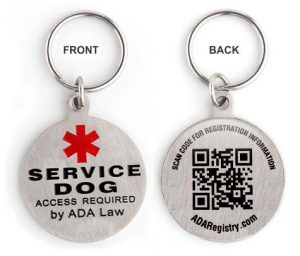
Service Dog Tags
Smart Tags

ESA TAGS