
Greyhound as a Therapy Dog
Register Any Breed
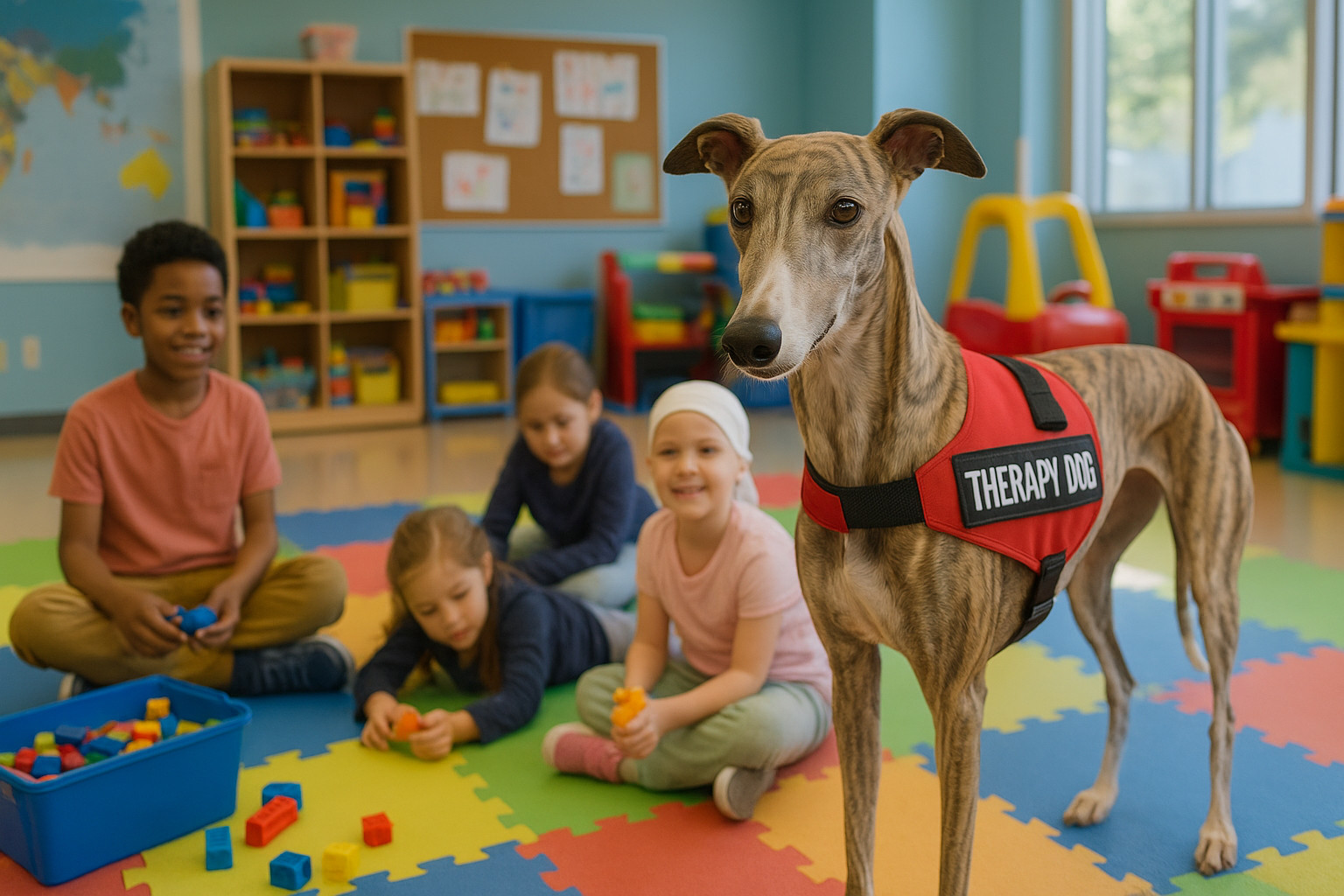
Greyhound as a Therapy Dog Overview
Greyhounds, known for their sleek physique and unrivaled speed, might not be the first breed that comes to mind when considering therapy dogs. However, their gentle temperament, adaptability, and unique emotional intelligence make them exceptional candidates for this role. Used predominantly in therapeutic settings, Greyhounds offer a calming presence, easing emotional and psychological stress in various environments. This comprehensive guide delves into the intrinsic qualities that make Greyhounds ideal therapy dogs, from their sociable demeanor to their manageable care requirements.
Understanding the Therapy Dog Role
Therapy dogs are primarily chosen for their ability to provide comfort, companionship, and support to individuals in diverse settings. They are not service animals, who perform specific tasks for their handlers, but rather emotional supporters. Greyhounds, with their tranquil nature and demonstrative affection, embody the essence of a successful therapy dog. Capable of offering unconditional love and non-judgmental interaction, they help reduce stress, anxiety, and depression among patients and those in rehabilitative care. Being naturally non-aggressive and sociable enhances their ability to connect with people of various ages and backgrounds.
Physical Appearance and Energy Level
Greyhounds are instantly recognizable by their slender build and athletic stature. Despite their image as high-energy racers, they are remarkably composed and enjoy lounging around as much as they do sprinting. This dual energy level is advantageous in therapy settings, where a balance of calmness and playfulness is often desirable. They can adapt to both active engagement with clients and quiet companionship, making them versatile therapy partners. Their physical presence—sturdy yet affectionate—is comforting to many, contributing significantly to their efficacy in therapeutic roles.
Personality and Emotional Intelligence
The Greyhound's temperament is composed, intelligent, and sensitive. This unique blend makes them empathetic responders to human emotions. Their ability to perceive subtle emotional cues enables them to act appropriately in sensitive environments. Greyhounds are naturally inclined to provide warmth and affection, forming deep bonds with individuals over time. Their calm demeanor is soothing, often leading to reduced anxiety levels in patients. They are highly adaptable, able to transition smoothly between different emotional states, which is crucial for working with diverse populations in therapy.
Environments Where Greyhound Excels
Greyhounds perform exceptionally well in various settings due to their adaptable nature. Their keen sensitivity allows them to thrive in environments where softer, more nuanced interactions are required:
- Hospitals: Offer a soothing presence that can alleviate patient stress and enhance recovery.
- Schools: Provide comfort to children, helping those with anxiety or learning disabilities feel more at ease.
- Rehabilitation Centers: Assist in emotional support for individuals recovering from addiction or trauma.
- Elder Care Facilities: Deliver companionship to elderly residents, improving mood and social interaction.
Common Therapy Settings
Greyhounds are suited to multiple therapy settings due to their versatile temperament and calm energy. In hospitals, they often visit pediatric and oncology wards, where their intuitive nature can uplift spirits. In schools, they support children with special needs, providing emotional grounding. Nursing homes are enhanced by their presence, as they offer gentle companionship to residents, mitigating feelings of loneliness. Rehabilitation environments benefit from their calm influence, promoting relaxation and a sense of stability for individuals facing stress and recovery challenges.
Interactions with Different Populations
Greyhounds are appreciated for their ability to interact naturally with diverse groups. Their gentle approach makes them excellent companions for children, adults, and the elderly alike:
Register Any Breed
- Children: Greyhounds' calm nature can calm hyperactive or anxious children, promoting a safe space for interaction.
- Adults: Offer quiet comfort, helping to ease stress and build positive mental health.
- Elderly: Gentle demeanor allows for genuine connections, often leading to improvements in cognitive functioning and mood.
Health and Wellness Factors
While Greyhounds are generally healthy dogs, they require regular veterinary check-ups to maintain their health in therapy roles. They have a low body fat percentage, making them sensitive to extreme temperatures, especially cold weather which must be managed to ensure their comfort and efficacy in therapeutic environments. A balanced diet, routine grooming, and consistent exercise — though moderate compared to their racing needs — are essential to keeping them healthy and alert.
Lifespan and Common Health Issues
Greyhounds typically have a lifespan of 10 to 14 years. Despite being relatively healthy, they are prone to certain breed-specific conditions, which can affect their therapy role performance:
- Bloat (Gastric Torsion): A severe, potentially life-threatening condition requiring vigilance.
- Hip Dysplasia: Although less common, it requires attention to activity levels and comfort.
- Dental Health: Routine dental care is crucial to prevent periodontal disease.
Proper health management ensures they remain effective therapy companions, capable of providing continuous support throughout their lives.
Maintenance and Care Needs
Basic grooming is necessary to ensure Greyhounds remain clean and comfortable. Due to their short coats, they require minimal grooming. Regular brushing helps manage shedding and maintains a healthy coat. Their nails need regular trimming, as long nails can affect their gait and cause discomfort. Bathing is needed occasionally, depending on their activity level and environment. Ensuring their dietary needs are met, with appropriate portions to maintain a healthy weight, supports their overall wellbeing in therapy roles.
Training and Certification Readiness
Greyhounds are intelligent and eager to please, making them well-suited to training programs for therapy certification. Their learning is enhanced by positive reinforcement and patience, responding well to varied stimuli. Socialization and basic obedience are foundational training components, introducing them progressively to different therapy environments. Their natural empathy and calm demeanor can be strengthened through training, preparing them effectively for certification with therapy dog organizations.
Learning Style and Responsiveness
Greyhounds possess a learning style characterized by intelligence and responsiveness. They enjoy learning and thrive when tasks are presented as challenges to solve. Using gentle guidance and rewards enhances their willingness to comply and perform therapy duties with confidence. An emphasis on gradual exposure and positive reinforcement draws out their innate ability to engage with people calmly, solidifying their position as proactive therapy partners.
Handling Social and Emotional Stimuli
Greyhounds, known for their capacity to remain calm under pressure, adapt well to social and emotional stimuli in therapy settings. These dogs instinctively pick up on emotional vibes, often providing intervention by snuggling or seeking close contact, which is comforting for patients undergoing stress or anxiety. Their laid-back attitude allows them to ease into various situations without becoming overwhelmed, consistently proving themselves adaptable to differing emotional climates.
Strengths, Limitations, and Ideal Roles for Greyhound
Strengths:
- Naturally calm and low energy, ideal for therapy settings.
- Highly empathetic and quick to respond to emotional stimuli.
- Adaptable to various environments and patient needs.
Limitations:
- Sensitive to cold temperatures, requiring additional care during winter settings.
- Prone to specific health issues that demand attention and management.
Ideal Roles:
- Hospitals and palliative care units for stress relief and emotional support.
- Schools and libraries for reading programs or interactions with children.
- Nursing homes for companionship to elderly residents prone to loneliness.
Final Thoughts
Greyhounds, often misunderstood due to their racing backgrounds, excel as therapy dogs by virtue of their calm demeanor, adaptability, and emotional intelligence. They bring comfort and support to individuals across multiple settings, making them treasured companions in therapy work. Through appropriate training and care, their natural abilities are harnessed to provide invaluable service in therapeutic roles, enhancing their repurposed journey from track to therapy setting.
Key Takeaways for the Greyhound as a Therapy Dog
- Best suited for: Hospitals, schools, elder care facilities
- Not ideal for: Extremely cold environments without appropriate care
- Temperament highlights: Calm, empathic, adaptable
- Care and health notes: Regular grooming, temperature sensitivities, dental care
- Therapy environments where they shine: Hospitals, schools, rehabilitation centers
By acknowledging the Greyhound’s physical and emotional attributes, we can appreciate their potential to improve well-being and recovery across various therapeutic environments. Their remarkable blend of sensitivity and stability makes them a cherished asset as therapy dogs, offering significant impact where compassion matters most.


-
Public Access Kits
$149.00 Learn more This product has multiple variants. The options may be chosen on the product page -
Quick Ship Premium Vests
$48.00 – $82.00 Learn more This product has multiple variants. The options may be chosen on the product page -
Service Dog Bandana
$39.95 Learn more This product has multiple variants. The options may be chosen on the product page
Custom ID Cards

Custom ID Cards
All States

Canada Cards

Custom Service Dog Tags

Official Dog Vests

Smart Vests
Official Public Access Kits

Complete Kits
USA & CANADA Letters

High Quality Bandanas

Service Dog Tags

Smart Tags

ESA TAGS
