Harrier as a Therapy Dog
Register Any Breed
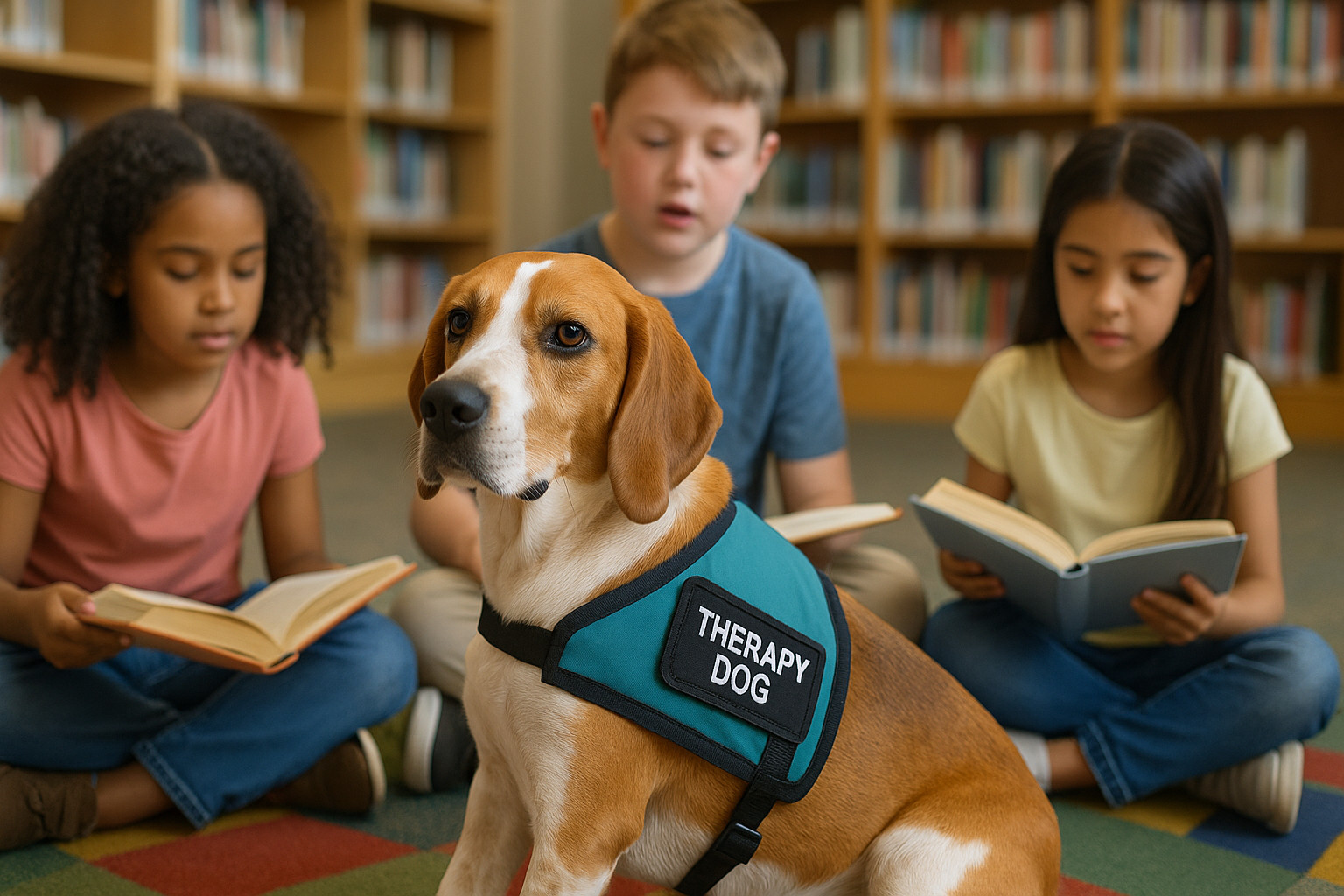
Understanding the potential of the Harrier as a therapy dog demands a deep dive into the breed's temperament, physical traits, and adaptability in various environments. Known for their pack instincts and amiable nature, Harriers can bring positivity and support to therapeutic settings. This article will provide a comprehensive guide equipped with practical insights for therapy dog trainers and healthcare professionals.
Harrier as a Therapy Dog Overview
Understanding the Therapy Dog Role
Therapy dogs serve as companions who provide emotional comfort, reduce stress, and enhance motivation in diverse settings such as hospitals and schools. Unlike service dogs, they are not tasked with performing life-saving duties but rather focus on offering emotional support through their presence and behavior. Harriers, with their innate sociability and friendliness, can excel in this environment, making them apt candidates for therapy work.
Physical Appearance and Energy Level
Harriers are medium-sized hounds with an athletic build, typically weighing between 45-60 pounds. Their physical vigor and high energy levels position them as active participants in therapy sessions, potentially boosting patients' mood and encouraging physical activity. However, their energy also requires management to ensure they remain calm and focused during therapy visits.
Personality and Emotional Intelligence
With a gentle disposition and strong pack mentality, Harriers easily form bonds with individuals, displaying notable empathy and attentiveness. Their ability to read human emotions enhances their effectiveness in therapy settings, as they can adjust their behavior to accommodate the emotional needs of those they interact with. Harriers also demonstrate patience and a playful nature, enriching the therapy experience.
Environments Where Harrier Excels
Harriers thrive in environments where they can engage with individuals across diverse settings. Their adaptability and social nature suit them well for hospitals, where they can move from room to room providing comfort. In schools, their friendly demeanor encourages interactions with children, serving as both a calming influence and a source of motivation for learning.
Common Therapy Settings
The versatility of Harriers makes them suitable for various therapy settings:
- Hospitals and Rehabilitation Centers: Their amiable presence and energy can uplift patients and staff.
- Schools: Harriers can provide educational support, reducing anxiety in students.
- Nursing Homes: Their gentle interaction offers companionship to the elderly.
Interactions with Different Populations
A Harrier's interaction style is marked by adaptability and sociability, making them adept at connecting with diverse populations:
Register Any Breed
- Children: Playful yet gentle, they are ideal for engaging with children, including those with special needs.
- Elderly: Their calm demeanor provides comfort and reduces loneliness in older adults.
- Individuals with Anxiety or Depression: Harriers naturally ease stress through empathetic engagement.
Health and Wellness Factors
The health and wellness of a therapy Harrier are crucial to ensure their visit is beneficial for everyone involved. They require regular veterinary check-ups, vaccinations, and preventive care to maintain their ability to work in healthcare environments. Good physical health ensures they can meet the physical demands of therapy work.
Lifespan and Common Health Issues
Harriers have a lifespan of about 10-12 years and are generally healthy, but potential health concerns include hip dysplasia and ear infections. Addressing these issues early with preventive care and routine screening is crucial to ensure a long, healthy career in therapy work.
Maintenance and Care Needs
Grooming and general care are essential for a Harrier's effectiveness in therapy roles. Regular grooming reduces shedding and maintains coat health, while routine cleaning of ears and teeth prevents infections that could hinder visit capabilities. Their exercise needs also require daily physical activity to keep them fit and maintain behavior stability during visits.
Training and Certification Readiness
Harriers are responsive to positive reinforcement and show adaptability in their learning styles. They often require a calm, patient approach during training to maximize their ability to handle therapy-specific tasks such as remaining still, obeying simple commands, and adapting to various environments.
Learning Style and Responsiveness
This breed's strong pack instincts and sociability make them eager to learn and please, often thriving under consistent training routines. Harriers exhibit high intelligence but require diverse stimuli to remain engaged; thus, varied training exercises help you tap into their strengths.
Handling Social and Emotional Stimuli
Harriers exhibit strong intuitive responses to social and emotional stimuli, making them effective therapy animals. They naturally seek to comfort and engage with individuals in distress, responding well to the needs of different environments and populations by adjusting their behavior to match the emotional tone.
Strengths, Limitations, and Ideal Roles for Harrier
Strengths:
- Empathetic and sociable disposition
- High energy and playful demeanor
- Strong adaptability across different settings
Limitations:
- May become overly excitable without proper energy management
- Requires consistent training and exercise routines
Ideal Roles:
- Companion in educational and therapeutic activities
- Engaging presence in community-based mental health programs
Final Thoughts
The Harrier's potential as a therapy dog lies in its empathetic nature, adaptability, and ever-present enthusiasm. By carefully managing their exercise and training, Harriers can become indispensable in various therapeutic settings, providing comfort, joy, and a positive presence for individuals in need.
Key Takeaways for the Harrier as a Therapy Dog
- Best suited for: Hospitals, schools, and nursing homes
- Not ideal for: Environments requiring very low energy
- Temperament highlights: Empathetic, friendly, and patient
- Care and health notes: Requires regular grooming and preventive health checks
- Therapy environments where they shine: Educational institutions, mental health programs, and patient recovery settings
This guide provides a coherent pathway to understanding and utilizing the Harrier's innate abilities for therapy purposes, enhancing the lives of diverse populations they serve.


-
Public Access Kits
$149.00 Learn more This product has multiple variants. The options may be chosen on the product page -
Quick Ship Premium Vests
$48.00 – $82.00 Learn more This product has multiple variants. The options may be chosen on the product page -
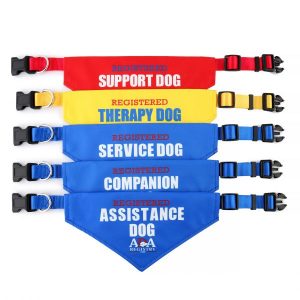
Service Dog Bandana
$39.95 Learn more This product has multiple variants. The options may be chosen on the product page
Custom ID Cards

Custom ID Cards
All States

Canada Cards

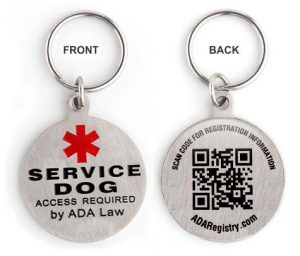
Custom Service Dog Tags
Official Dog Vests

Smart Vests
Official Public Access Kits
Complete Kits
USA & CANADA Letters

High Quality Bandanas
Service Dog Tags
Smart Tags

ESA TAGS