Harrier as an Emotional Support Dog
Register Any Breed
Understanding the Emotional Support Role
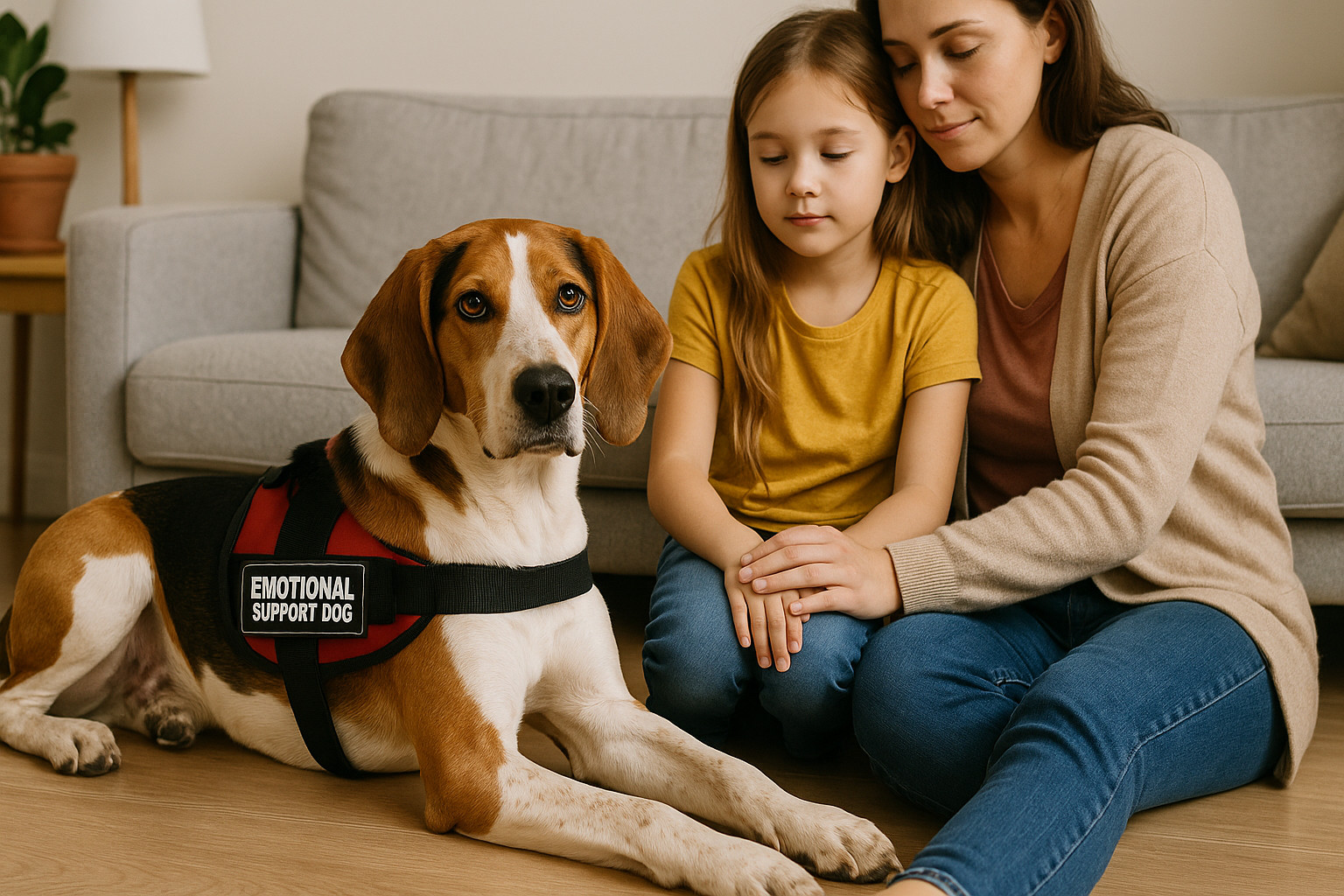
The role of an emotional support animal (ESA) is unique, serving to provide comfort, companionship, and relief from symptoms related to mental health conditions. Unlike service dogs, ESAs do not require specialized training to perform specific tasks but rely on their presence and general behavior to support their owners' emotional well-being. Choosing the right breed as an ESA requires careful consideration of temperament, adaptability, and living needs. In this article, we explore the suitability of the Harrier as an emotional support dog, examining how this friendly, energetic breed can enhance the quality of life for individuals in need of emotional support.
Harrier Overview
The Harrier is a medium-sized hound that shares many characteristics with the Beagle and the English Foxhound. Known for their spirited and outgoing nature, Harriers have traditionally been used for hunting due to their keen sense of smell and tenacity. With an average height of 19 to 21 inches and weighing around 45 to 60 pounds, their size strikes a balance between manageability and robustness. Recognized for their endurance and agility, Harriers are active dogs that thrive on regular exercise and mental stimulation, qualities that can make them effective emotional support companions.
Temperament and Emotional Connection
The Harrier's friendly and social nature makes them inherently suited for forming strong emotional connections. They are affectionate dogs that enjoy being in the company of people, exhibiting a playful spirit that can easily lighten the mood in most situations. This breed is known for its loyalty and responsiveness, traits that foster a deep, trusting bond with their owner. Understanding human emotions is where Harriers truly excel, as they are naturally empathetic and attentive, often anticipating the emotional needs of their human companions. This sensitivity allows them to offer comfort and companionship effectively, helping reduce feelings of anxiety or loneliness.
Adaptability and Daily Behavior
Harriers are adaptable dogs, able to acclimate to various living situations when their exercise and companionship needs are met. Typically described as happy and outgoing, they bring a joyful presence to households, thriving in environments where they are not left alone for extended periods. Their daily behavior is marked by a mix of curiosity and playfulness, with a desire for regular physical activity and mental stimulation. This breed's energy levels make them particularly suitable for active individuals or families looking for a dog that can keep up with outdoor activities while still providing emotional support at home.
Situations Where Harrier Provides Strong Support
Harriers are adept at providing emotional support in a range of scenarios. Their steady presence can be particularly beneficial in stressful situations, lending a calming influence. For those struggling with depression or loneliness, a Harrier's joyful spirit and eagerness to engage can foster a positive, nurturing environment. Their ability to read emotional cues means they are often attuned to changes in their owner's mood or energy, offering comfort through their presence and affection. This makes them ideal for settings where they can interact closely with their humans, including family homes or individual living situations needing a steady, emotional anchor.
Ideal Living Environments
While Harriers are adaptable, certain living environments are more conducive to maximizing their emotional support capabilities. They do best in homes where they have access to a yard or nearby open spaces; however, with enough exercise and attention, they can also thrive in apartment settings. These dogs appreciate spaces where they can engage in physical activity but also need environments that allow them to interact regularly with people. Families, active singles, or retirees who spend ample time at home are typically the best matches. Harriers require a commitment to companionship to be successful as emotional support animals, ensuring their emotional energy is reciprocated and supported.
Bonds with Different Types of People
Harriers establish strong bonds with varied types of people due to their versatile personality and affection-driven nature. They are great companions for families, offering playful interaction with children and providing dedicated companionship to adults. Single individuals or those in therapeutic settings may find solace in the presence of a Harrier, as they are known for their unwavering loyalty and ability to provide non-judgmental companionship. Their intuitive sensing of emotional states makes them excellent partners for therapy patients in need of consistent emotional feedback and affection.
Register Any Breed
Health, Care, and Wellbeing
Ensuring a Harrier's health and well-being directly impacts their ability to offer sound emotional support. These dogs require a balanced diet and regular check-ups to maintain peak health. As active dogs, they benefit from regular exercise, which includes walks, runs, or play sessions to engage their body and mind. Owners need to be vigilant about monitoring for common health concerns, as a healthy Harrier provides more consistent and effective emotional support.
Common Health Considerations
Like any breed, Harriers have specific health considerations. They are generally healthy but may be prone to issues such as hip dysplasia, ear infections, or more rarely, eye conditions. Regular veterinary care is essential to maintain their overall well-being and ensure they remain effective as emotional support dogs. Up-to-date vaccinations, screenings for common ailments, and maintaining ear hygiene are critical components of their health regimen. Awareness of these health aspects allows potential owners to proactively care for their Harrier, fostering long-term companionship and support.
Grooming, Comfort, and Maintenance Needs
The Harrier’s grooming needs are relatively modest but important. They have a short, dense coat that requires regular brushing to minimize shedding and maintain a healthy sheen. Their ears should be checked frequently and kept clean to prevent infections, given their hanging design which can trap moisture. Regular grooming and checks are not only for physical health but also provide comfort, ensuring your Harrier feels well-cared for and relaxed, which in turn supports their ability to provide emotional assistance.
Preparing a Harrier for Emotional Support Work
Transitioning a Harrier into an emotional support role involves focused attention on their socialization and responsiveness. From a young age, exposure to various environments, people, and other animals helps solidify their ability to adjust and offer comfort under different circumstances. Training should emphasize establishing trust and encouraging natural empathetic tendencies. Positive reinforcement techniques strengthen their supportive behavior, reinforcing the bond between the dog and owner.
Socialization and Responsiveness
Socialization is a pillar in preparing Harriers for emotional support roles. Early and consistent interaction with diverse settings and individuals bolsters their adaptability. They should be encouraged to meet new people and experience varied environments to strengthen their capacity to remain calm and attentive. This practice enhances their responsiveness to emotional cues, making them more adept at providing tailored emotional support to their owners.
Managing Stress and Emotional Cues
Managing stress in Harriers and helping them read emotional cues effectively allows them to be successful support dogs. Owners should foster environments that minimize anxiety-inducing situations and offer reassurance during stressful events. Training should include familiarizing them with emotional cues, rewarding behaviors that coincide with successful support actions, like staying close during times of distress. These exercises help Harriers instinctively respond to their owner's needs, reinforcing their role as effective emotional support companions.
Strengths, Challenges, and Ideal Homes for Harrier
Harriers possess several strengths as emotional support dogs, including their empathetic nature, energetic yet comforting demeanor, and ability to form deep bonds. Challenges may arise from their need for regular exercise and interaction, which necessitates a proactive lifestyle on the owner's part. Ideal homes for Harriers offer structured environments with ample opportunity for engagement and companionship. Prospective owners should be prepared for an active lifestyle and able to provide consistent emotional nurturing to harness the full potential of a Harrier as an ESA.
Final Thoughts
Overall, the Harrier represents a robust choice for those seeking an emotional support dog that balances energy with empathy. Their innate ability to form strong bonds and understand human emotions makes them uniquely qualified to support individuals in various settings. With proper attention to their care and exercise needs, a Harrier can become a steadfast companion, offering emotional stability and companionship to those in need.
Key Takeaways for the Harrier as an Emotional Support Dog
- Best suited for: Active families, singles with time spent at home, individuals needing emotional companionship
- Not ideal for: Households where the dog would be left alone for long periods, inactive lifestyles
- Emotional traits: Empathetic, affectionate, loyal, intuitive
- Care and health notes: Requires regular exercise, routine veterinary care, and attention to grooming
- Environments where they provide the most comfort: Family homes, homes with yards, spaces that allow for interaction and activity
This article provides insights for those considering the Harrier as an emotional support dog, highlighting the breed's distinctive qualities and care needs to ensure a successful, supportive relationship.


-
Public Access Kits
$149.00 Learn more This product has multiple variants. The options may be chosen on the product page -
Quick Ship Premium Vests
$48.00 – $82.00 Learn more This product has multiple variants. The options may be chosen on the product page -
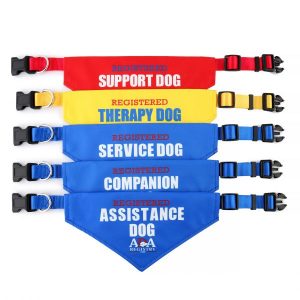
Service Dog Bandana
$39.95 Learn more This product has multiple variants. The options may be chosen on the product page
Custom ID Cards

Custom ID Cards
All States

Canada Cards

Custom Service Dog Tags
Official Dog Vests

Smart Vests
Official Public Access Kits
Complete Kits
USA & CANADA Letters
High Quality Bandanas
Service Dog Tags
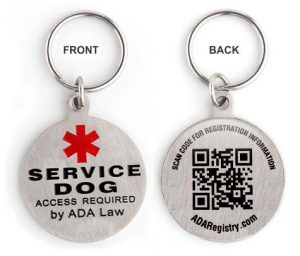
Smart Tags

ESA TAGS