Havanese as a Therapy Dog
Register Any Breed
Havanese as a Therapy Dog Overview
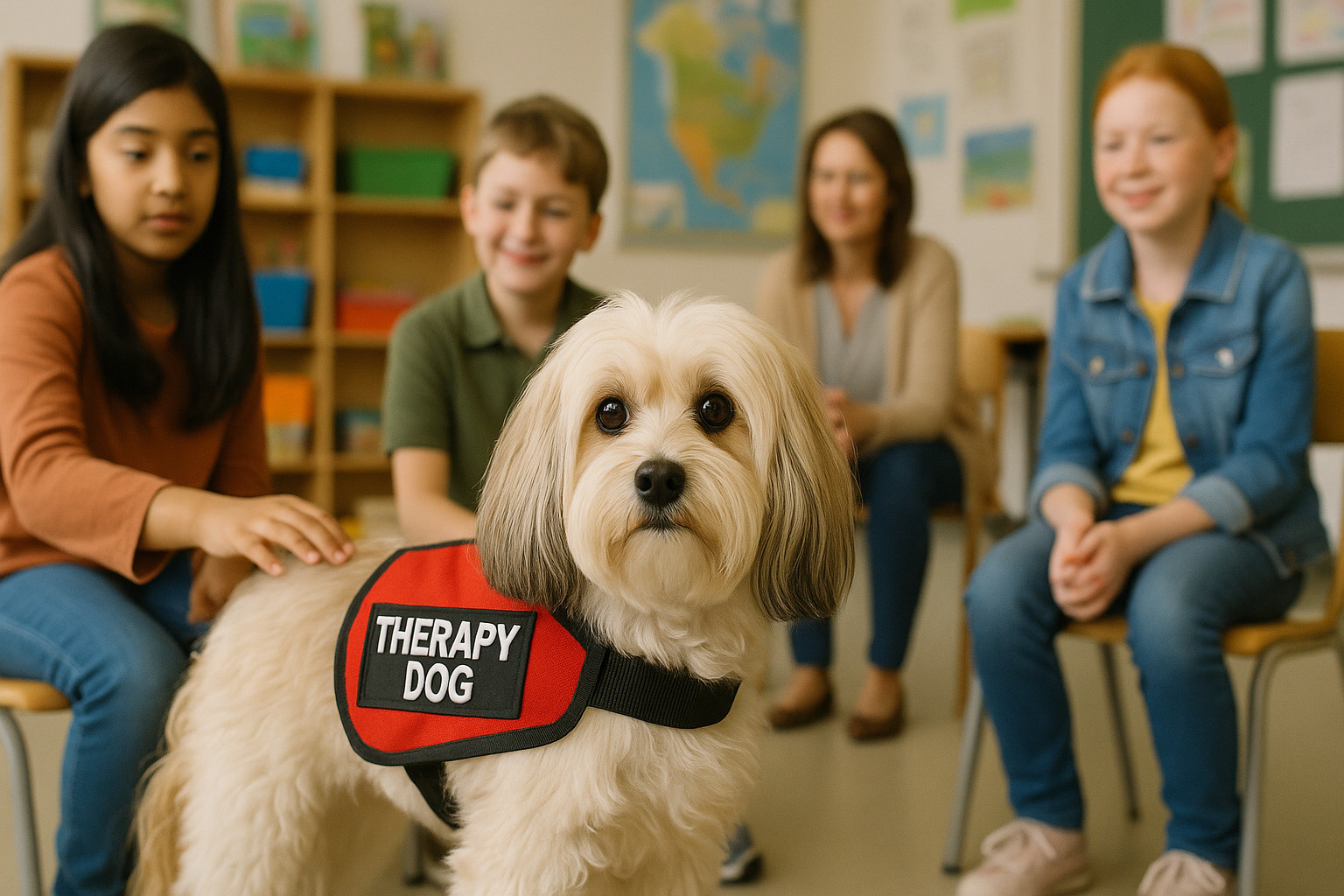
The Havanese, a small and affectionate breed, is increasingly recognized for its potential as a therapy dog. These lovable canines possess an ideal blend of temperament, adaptability, and sensitivity, which makes them particularly effective in therapeutic settings. This article delves into how the Havanese breed's specific characteristics contribute to its success in therapy roles, exploring various environments where they excel, and addressing potential limitations.
Understanding the Therapy Dog Role
Therapy dogs are trained to provide comfort, companionship, and emotional support to individuals in diverse settings such as hospitals, schools, and nursing homes. Their role is not to perform specific tasks like service dogs but to offer therapeutic interactions that can lower stress and anxiety, boost mood, and even aid in emotional and physical healing. The Havanese, with its sociable nature and keen emotional intelligence, fits well into this category by providing joy and emotional solace to those it interacts with.
Physical Appearance and Energy Level
The Havanese is a small breed, typically weighing between 7 to 13 pounds and standing about 8.5 to 11.5 inches tall. This manageable size makes them perfect for environments where space might be limited, such as a hospital room or a classroom. Despite their modest stature, they possess an adequate energy level suitable for engaging activities without becoming overwhelming.
- Compact size: Ideal for lap-sitting and close physical interaction.
- Moderate energy: Engages well with playful interactions without excessive boisterousness.
Personality and Emotional Intelligence
Renowned for their cheerful demeanor and affectionate nature, Havanese dogs exhibit a high degree of emotional intelligence, essential for a therapy dog. Their innate ability to sense and respond to human emotions enables them to provide genuine comfort and relief to those in distress. This breed is known for being:
- Affectionate and loving: Offers a reassuring presence that can console and calm individuals experiencing stress or anxiety.
- Highly empathic: Sensitive to human emotions, allowing them to adapt their behavior to different emotional states.
Environments Where Havanese Excels
Their gentle disposition and small size make Havanese well-suited for various therapeutic environments:
- Hospitals and clinics: Their calm nature and size enable easy interaction with patients on beds or confined spaces.
- Schools: Children enjoy their playful and non-threatening presence, making them excellent for educational settings where emotional support is needed.
- Rehabilitation centers: Their comforting nature aids occupants in physical or emotional recovery processes.
Common Therapy Settings
In therapy settings, Havanese dogs can be found offering their support in:
- Nursing homes: Providing companionship to the elderly, relieving loneliness, and helping reduce symptoms of depression.
- Counseling sessions: Offering a calming influence that can help clients open up.
- Disaster relief situations: Offering soothing companionship to individuals in the aftermath of traumatic events.
Interactions with Different Populations
The Havanese is adept at interacting with people of all ages and backgrounds. Their patient demeanor and adaptability allow them to connect with:
Register Any Breed
- Children: Ensures gentle play and safety, establishing trust and building confidence.
- Elderly: Offers non-demanding companionship that can alleviate feelings of isolation.
- Individuals with disabilities: Engages with patience and understanding, often brightening their day.
Health and Wellness Factors
Health and grooming play a crucial role in the therapy dog’s ability to interact safely and positively with individuals. The Havanese generally enjoys a robust health profile, though it is important to manage specific breed-related concerns:
- Lifespan: Typically 14-16 years, promising a long career in therapy roles.
- Common health issues: Patellar luxation, heart murmurs, and eye disorders require regular vet check-ups to ensure ongoing health.
Lifespan and Common Health Issues
The Havanese’s lifespan and manageable health concerns make them a reliable choice for long-term therapy commitments. Regular screenings and preventive measures can mitigate:
- Eye care: Prevents tear staining and other ocular issues.
- Joint health: Maintain a healthy diet and exercise routine to avoid patellar luxation.
Maintenance and Care Needs
Proper grooming is essential for a Havanese therapy dog to ensure they remain comfortable and presentable:
- Coat grooming: Requires regular brushing to prevent matting and maintain a clean appearance.
- Ear and dental care: Regular cleaning to prevent infections, maintaining overall wellness.
Training and Certification Readiness
Training a Havanese for certification as a therapy dog necessitates understanding their learning style and reinforcing positive behavior consistently:
- Intelligence: Quick learners but require gentle training methods that respect their sensitive nature.
- Responsiveness: Thrive on positive reinforcement and socialization, making them adaptable to therapy situations.
Learning Style and Responsiveness
The Havanese showcases a keen sense of learning when training for therapy certification, responding well to:
- Consistent routines: Benefit from routine-based training schedules.
- Rewards-based methods: Respond excellently to praise and treats.
Handling Social and Emotional Stimuli
Adaptable to different social scenarios, Havanese can handle a variety of emotional stimuli in therapy settings by:
- Tuning into environmental cues: Quickly adapts to varying emotional environments, offering appropriate responses.
- Providing calm amidst chaos: Maintains composure even in high-stress situations.
Strengths, Limitations, and Ideal Roles for Havanese
Strengths of the Havanese in therapy roles include their empathetic nature and adaptability. However, limitations do exist. Their need for regular grooming and susceptibility to specific health issues must be managed to ensure they remain effective therapy partners.
- Strengths: High emotional intelligence, patience, adaptability.
- Limitations: Grooming requirements, health concerns.
- Ideal roles: Companion in therapeutic settings requiring close interaction and emotional support.
Final Thoughts
The Havanese is a versatile and loving breed that excels as a therapy dog. Their size, temperament, and empathetic nature make them particularly adept at providing emotional support and comfort in various environments. With proper training and care, they can offer invaluable assistance to individuals in need, enhancing their quality of life.
Key Takeaways for the Havanese as a Therapy Dog
- Best suited for: Hospitals, schools, nursing homes, counseling settings.
- Not ideal for: Environments requiring physical tasks or high endurance.
- Temperament highlights: Affectionate, empathetic, adaptive.
- Care and health notes: Regular grooming, attention to specific health concerns.
- Therapy environments where they shine: One-on-one interactions and emotionally supportive roles.


-
Public Access Kits
$149.00 Learn more This product has multiple variants. The options may be chosen on the product page -
Quick Ship Premium Vests
$48.00 – $82.00 Learn more This product has multiple variants. The options may be chosen on the product page -
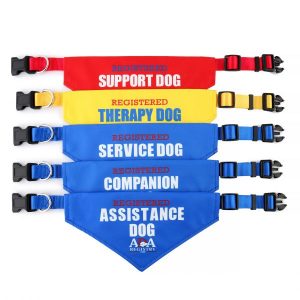
Service Dog Bandana
$39.95 Learn more This product has multiple variants. The options may be chosen on the product page
Custom ID Cards

Custom ID Cards
All States

Canada Cards

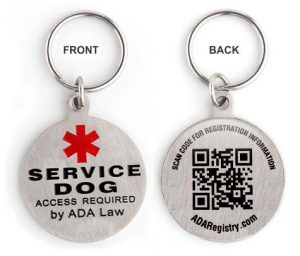
Custom Service Dog Tags
Official Dog Vests

Smart Vests
Official Public Access Kits
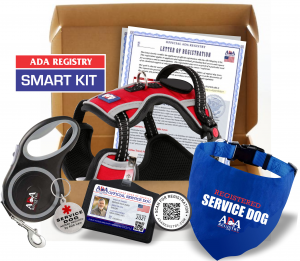
Complete Kits
USA & CANADA Letters

High Quality Bandanas
Service Dog Tags
Smart Tags

ESA TAGS