Icelandic Sheepdog as a Service Dog
Register Any Breed
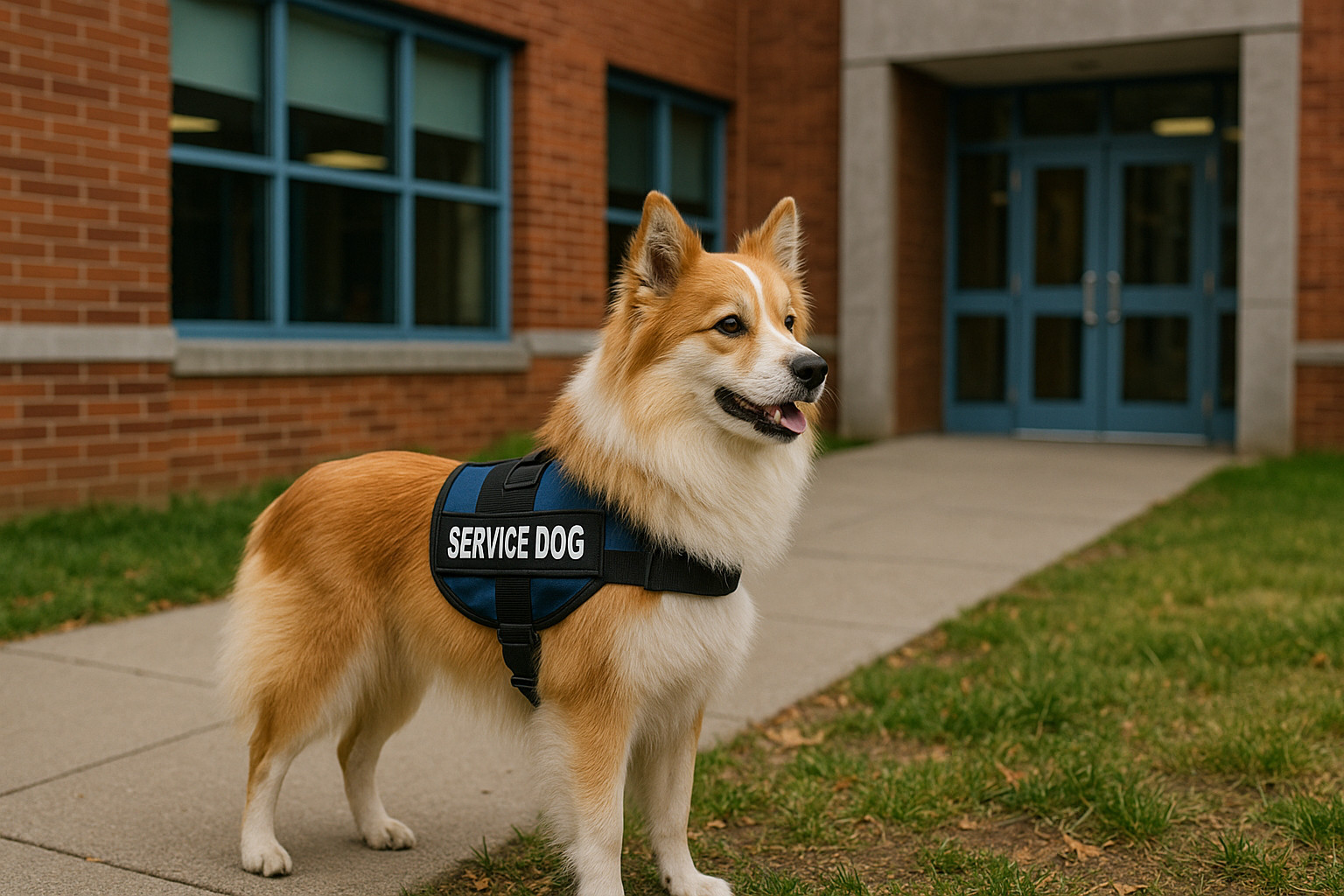
The Icelandic Sheepdog, known for its distinctive features and lively temperament, is a breed that has gained attention as a potential service dog. While not as commonly used as breeds like Labradors or Golden Retrievers, the Icelandic Sheepdog possesses unique qualities that can contribute to their suitability in specific service roles. In this comprehensive guide, we will explore the breed's physical characteristics, temperament, types of service work they excel in, health considerations, and their overall training and suitability as service dogs.
Icelandic Sheepdog Overview
The Icelandic Sheepdog is a breed with a rich history and a strong cultural heritage in Iceland. Originally used as a herding dog, this adaptable breed has characteristics that can be leveraged for service work, although there are certain limitations to consider.
Physical Characteristics
The Icelandic Sheepdog is a medium-sized spitz-type breed with a sturdy build and weather-resistant double coat. Here are some key details about their physical attributes:
- Size and Weight: Typically, Icelandic Sheepdogs weigh between 20 to 30 pounds, making them a manageable size for many types of service work without being too bulky or heavy.
- Coat: Their double coat is thick and protects against harsh weather conditions, a trait beneficial for outdoor work but requires regular grooming.
- Stamina and Agility: Known for their high energy and agility, Icelandic Sheepdogs can keep up with active service roles requiring brisk mobility.
Temperament and Attitude
The temperament of an Icelandic Sheepdog makes this breed a candidate for certain service roles, although their natural instincts and behaviors must be carefully managed:
- Personable and Friendly: Icelandic Sheepdogs are known to be sociable and friendly, which makes them approachable and pleasant companions in public.
- Alertness and Vigilance: Their keen sense of awareness and alert nature make them excellent candidates for tasks requiring attention to the environment.
- Independence: While this independence can be a strength in tasks that require discernment, it may also pose a challenge in roles requiring strict adherence to commands.
Types of Service Work
The Icelandic Sheepdog is not commonly deployed in all types of service work due to their specific traits. However, there are particular areas where they can excel:
- Emotional Support: With their affectionate nature, Icelandic Sheepdogs can provide comfort and companionship as emotional support animals.
- Medical Alert: Their alertness and keen sense of smell can be honed for medical alert work, such as notifying individuals with diabetes or epilepsy to impending episodes.
- Therapy Work: Their friendly demeanor and manageable size make them well-suited for therapy visits in hospitals, care homes, and schools.
Health Considerations
Certain health considerations unique to the Icelandic Sheepdog breed can impact their suitability as service dogs:
- Hip Dysplasia: This breed is prone to hip dysplasia, which can affect mobility and stamina. Regular veterinary check-ups and thoughtful exercise routines can help mitigate this risk.
- Luxating Patellas: Another orthopedic issue, luxating patellas, can affect their comfort and functionality in high-impact service roles.
- Progressive Retinal Atrophy (PRA): A genetic condition leading to blindness, PRA can affect their ability to perform visual-based tasks.
Training and Suitability
Training an Icelandic Sheepdog for service work involves focused strategies to harness their strengths while managing potential challenges:
Register Any Breed
- Intelligence and Eagerness to Learn: Icelandic Sheepdogs are intelligent and capable of learning complex tasks quickly. Their eagerness to work and please can be advantageous in training scenarios.
- Consistency and Patience: Their independent streak means that consistent, positive reinforcement training methods work best, emphasizing the need for patience and clear communication.
- Distraction Potential: Their alert nature requires careful management to prevent distractions from hindering their service performance.
Summary of Icelandic Sheepdog
In summary, while the Icelandic Sheepdog is not traditionally used as a service dog, it holds potential in specific roles due to its physical and behavioral characteristics. Here is a breakdown of their key traits:
- Strengths:
- Friendly and approachable demeanor
- High agility and stamina
- Strong bond with handlers
- Weaknesses:
- Susceptibility to specific health issues (e.g., hip dysplasia, PRA)
- Independent nature requiring diligent training
- Potential distraction due to high alertness
- Ideal Service Roles:
- Emotional support animal
- Medical alert dog
- Therapy dog
The Icelandic Sheepdog, with its blend of friendliness, alertness, and agility, can be a valuable asset in service roles tailored to its inherent strengths. It requires knowledgeable training and well-managed health care to succeed in the demanding world of service work.


-
Public Access Kits
$149.00 Learn more This product has multiple variants. The options may be chosen on the product page -
Quick Ship Premium Vests
$48.00 – $82.00 Learn more This product has multiple variants. The options may be chosen on the product page -
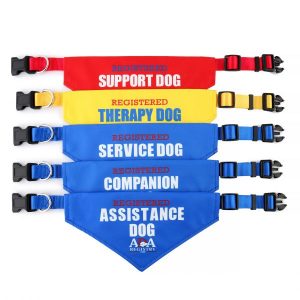
Service Dog Bandana
$39.95 Learn more This product has multiple variants. The options may be chosen on the product page
Custom ID Cards

Custom ID Cards
All States

Canada Cards

Custom Service Dog Tags
Official Dog Vests

Smart Vests
Official Public Access Kits
Complete Kits
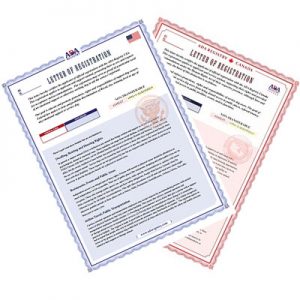
USA & CANADA Letters
High Quality Bandanas
Service Dog Tags
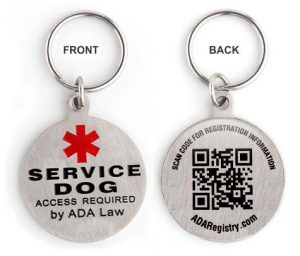
Smart Tags

ESA TAGS