Icelandic Sheepdog as a Therapy Dog
Register Any Breed
Icelandic Sheepdog as a Therapy Dog Overview
Understanding the Therapy Dog Role
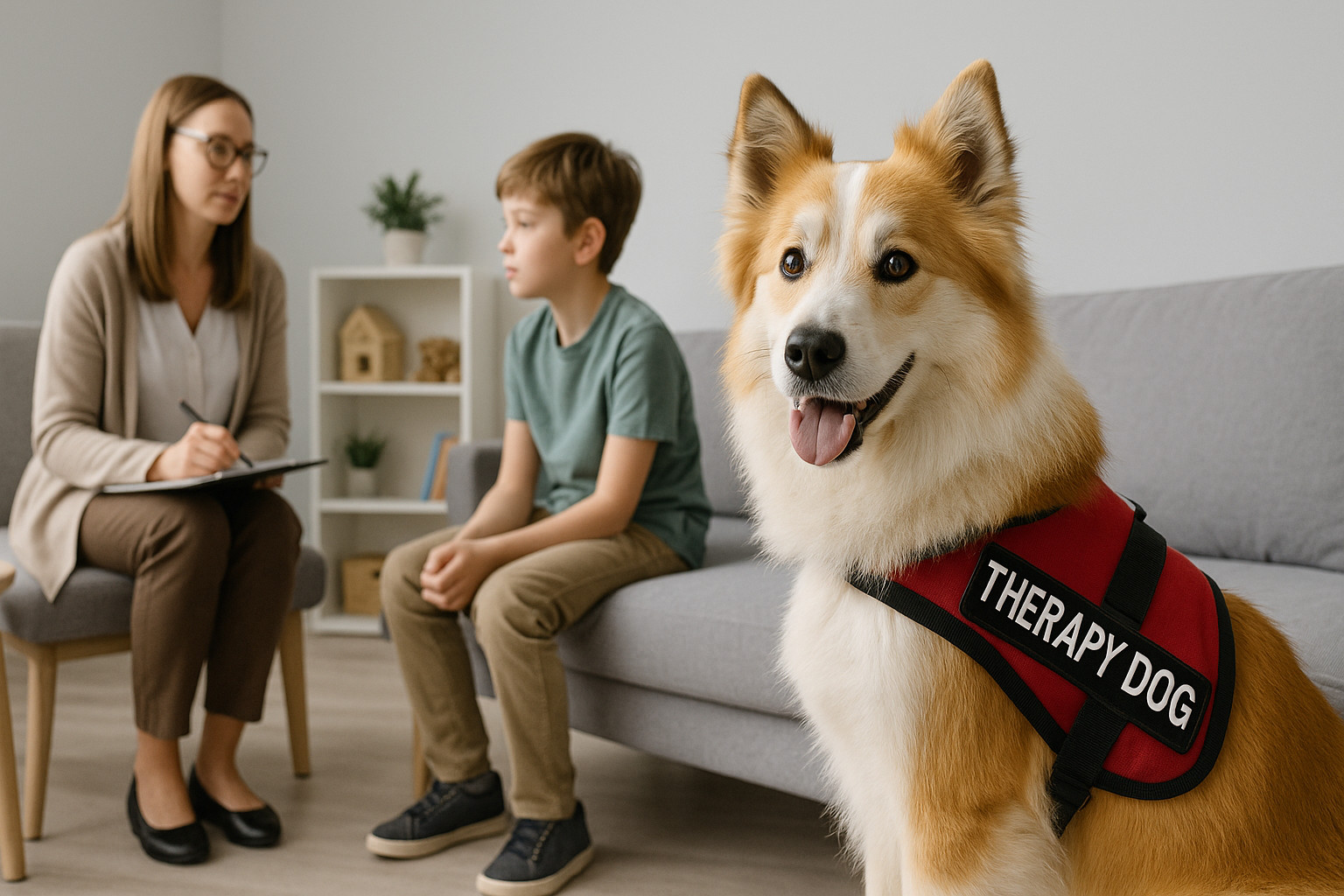
Therapy dogs are not just a source of joy; they play essential roles in boosting emotional well-being for individuals across various environments. The Icelandic Sheepdog, known for its friendly disposition and adaptable nature, has emerged as a promising therapy dog candidate. This breed embodies critical traits necessary for effectively participating in animal-assisted therapies, offering emotional support to people in hospitals, schools, and rehabilitation centers. Through its intuitive empathy and calm demeanor, the Icelandic Sheepdog can significantly impact the lives of those it engages with, making it a valuable member of any therapeutic setting.
Physical Appearance and Energy Level
The Icelandic Sheepdog is a medium-sized, sturdy breed with a quintessential Nordic appearance. Its thick, waterproof double coat and bushy tail give it an expressive look that can be comforting to patients. Despite its vibrant energy, which requires regular exercise, the Icelandic Sheepdog can adjust its activity level to meet the needs of its surroundings. Such flexibility makes it perfect for therapy settings where the dog's energy can be channeled into engaging interactions with patients while maintaining an approachable demeanor. This balance of vigor and calmness optimizes their interaction with diverse groups, ensuring therapy sessions are both enjoyable and beneficial.
Personality and Emotional Intelligence
Renowned for its friendly and social nature, the Icelandic Sheepdog excels in making bonds with humans. Their innate desire to please, paired with high emotional intelligence, allows these dogs to read human emotions accurately and respond appropriately. In therapy settings, such insight enables them to comfort individuals in distress or encourage social engagement among those who might be isolated. The Icelandic Sheepdog’s natural curiosity and eagerness to form connections contribute to their success in aiding recovery processes, where emotional support is crucial.
Environments Where Icelandic Sheepdog Excels
The Icelandic Sheepdog thrives in varied environments, demonstrating remarkable adaptability that enhances its performance as a therapy dog. In bustling healthcare facilities like hospitals, their calm yet engaging presence provides solace to patients and caregivers. In schools, they help children overcome learning obstacles by creating a reassuring ambiance. Rehabilitation centers benefit from their motivating energy, encouraging participation in therapeutic exercises. Regardless of the setting, the Icelandic Sheepdog’s versatility ensures that it can cater to the specific emotional and social demands of the environment.
Common Therapy Settings
- Hospitals: Offers calming comfort, reducing stress and anxiety in patients.
- Schools: Enhances the learning environment by providing emotional support to students.
- Rehabilitation Centers: Motivates individuals engaged in physical or psychological recovery processes.
- Nursing Homes: Fosters companionship and engagement among the elderly.
Interactions with Different Populations
The Icelandic Sheepdog's gentle and compassionate temperament makes it particularly effective with children, the elderly, and individuals with special needs. With children, its playful nature can transform therapy into a positive and interactive experience. The elderly benefit from the breed’s calming presence, which can alleviate feelings of loneliness and depression. For individuals with special needs, the Icelandic Sheepdog’s patience and sensitivity help create a stable and supportive environment conducive to therapy. Its ability to adapt its interactions based on the specific emotional or physical needs of individuals is a testament to its suitability as an adept therapy dog.
Health and Wellness Factors
Therapy dogs must maintain optimal health and wellness to visit clinical settings safely. The Icelandic Sheepdog, generally a healthy breed, requires regular veterinary checks to prevent common health issues. Maintaining their coat with routine grooming is vital, especially if they frequent hospitals or allergy-sensitive environments. A balanced diet and consistent exercise routine are crucial to sustain their energy levels and overall well-being, ensuring they are fit and ready to fulfill their therapeutic roles effectively.
Lifespan and Common Health Issues
Typically, the Icelandic Sheepdog enjoys a lifespan of 12 to 15 years. While they are robust and healthy, they can be prone to certain conditions like hip dysplasia and eye diseases. Proactive health screenings and preventive care are essential in managing these risks. Therapy work relies on their good health, making it vital for handlers to remain vigilant about any signs of illness. Addressing health issues promptly allows the dog to continue supporting patients without interruptions.
Register Any Breed
Maintenance and Care Needs
The breed’s dense double coat requires regular grooming to keep them clean and comfortable, especially in therapy settings where hygiene is of utmost importance. Regular brushing minimizes shedding and keeps their coat in top condition. Bathing should be done as needed, particularly after visits to healthcare facilities, to preserve hygiene standards. Their active nature demands regular exercise, though their adaptability allows exercise routines to be tailored based on therapy visit schedules. Proper grooming and exercise maintenance ensure that the Icelandic Sheepdog remains a welcome presence in human environments.
Training and Certification Readiness
Training plays a crucial role in preparing an Icelandic Sheepdog for therapy work. Its quick learning ability and eagerness to please simplify the training process, making them ideal candidates for therapy certification programs. Instilling commands that enforce calm behavior and instill social confidence is essential. Consistency in training helps reinforce the dog’s natural friendliness and resilience, ensuring they are ready to face varied therapy scenarios. Their cooperative nature and strong desire to forge relationships facilitate their readiness for certification and eventual deployment in therapy roles.
Learning Style and Responsiveness
The Icelandic Sheepdog’s responsiveness to training is enhanced by its enthusiastic and intelligent nature. Positive reinforcement methods work exceptionally well, as they are motivated by praise and rewards. Their eagerness to understand and apply new commands showcases their potential as therapy dogs. This breed thrives on structure and repetition, quickly adapting to new environments and tasks, which are inherent aspects of successful therapy interactions. Maintaining the dog's interest and enthusiasm through varied and engaging training sessions further supports their effectiveness in therapeutic settings.
Handling Social and Emotional Stimuli
The ability of the Icelandic Sheepdog to process and react to social and emotional stimuli is extraordinary. They possess the capacity to remain calm and composed amidst stressful situations, transmitting their tranquility to those they interact with. Their empathetic responses to human emotions make them astute therapy companions, often providing comfort and encouragement when needed most. This trait ensures they act as stable and reliable support systems for individuals undergoing emotional or physical distress, enhancing the therapeutic experience through authentic and positive interactions.
Strengths, Limitations, and Ideal Roles for Icelandic Sheepdog
Strengths
- Adaptable Temperament: Easily adjusts to various environments and human needs.
- Emotional Insight: Demonstrates strong intuition and empathy towards human emotions.
- Engaging Presence: Combines energy and calmness to maintain a therapeutic balance.
Limitations
- Maintenance Needs: Regular grooming and exercise are vital to maintain their health and presentation.
- Health Monitoring: Requires vigilance for specific health issues like hip dysplasia.
Ideal Roles
- Children’s Therapy: Engages and comforts young patients in hospitals and schools.
- Elderly Companionship: Provides soothing and supportive interactions in nursing homes.
- Rehabilitation Support: Encourages participation in therapeutic exercises in rehabilitation centers.
Final Thoughts
The Icelandic Sheepdog's inherent traits, including emotional intelligence, adaptability, and friendliness, make it an exemplary candidate for therapy work. While they require regular grooming and health monitoring, their numerous strengths outweigh these considerations. They excel in environments where emotional engagement, empathy, and adaptability are paramount, fulfilling roles that bring comfort and healing to individuals across various settings.
Key Takeaways for the Icelandic Sheepdog as a Therapy Dog
- Best suited for: Hospitals, schools, rehabilitation centers, and nursing homes.
- Not ideal for: Environments that demand low-energy or hypoallergenic breeds.
- Temperament highlights: Friendly, adaptable, emotionally intelligent, and engaging.
- Care and health notes: Regular grooming needed; vigilance for common health issues is vital.
- Therapy environments where they shine: Environments requiring emotional support and engagement.


-
Public Access Kits
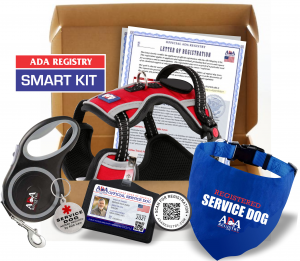
$149.00 Learn more This product has multiple variants. The options may be chosen on the product page -
Quick Ship Premium Vests
$48.00 – $82.00 Learn more This product has multiple variants. The options may be chosen on the product page -
Service Dog Bandana
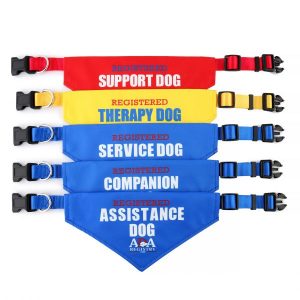
$39.95 Learn more This product has multiple variants. The options may be chosen on the product page
Custom ID Cards

Custom ID Cards
All States

Canada Cards

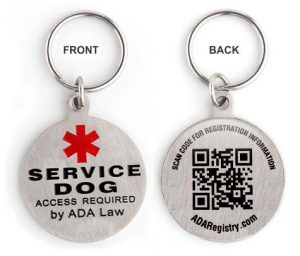
Custom Service Dog Tags

Official Dog Vests

Smart Vests
Official Public Access Kits
Complete Kits
USA & CANADA Letters

High Quality Bandanas
Service Dog Tags
Smart Tags

ESA TAGS