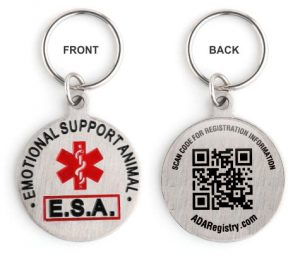
Irish Wolfhound as a Therapy Dog
Register Any Breed
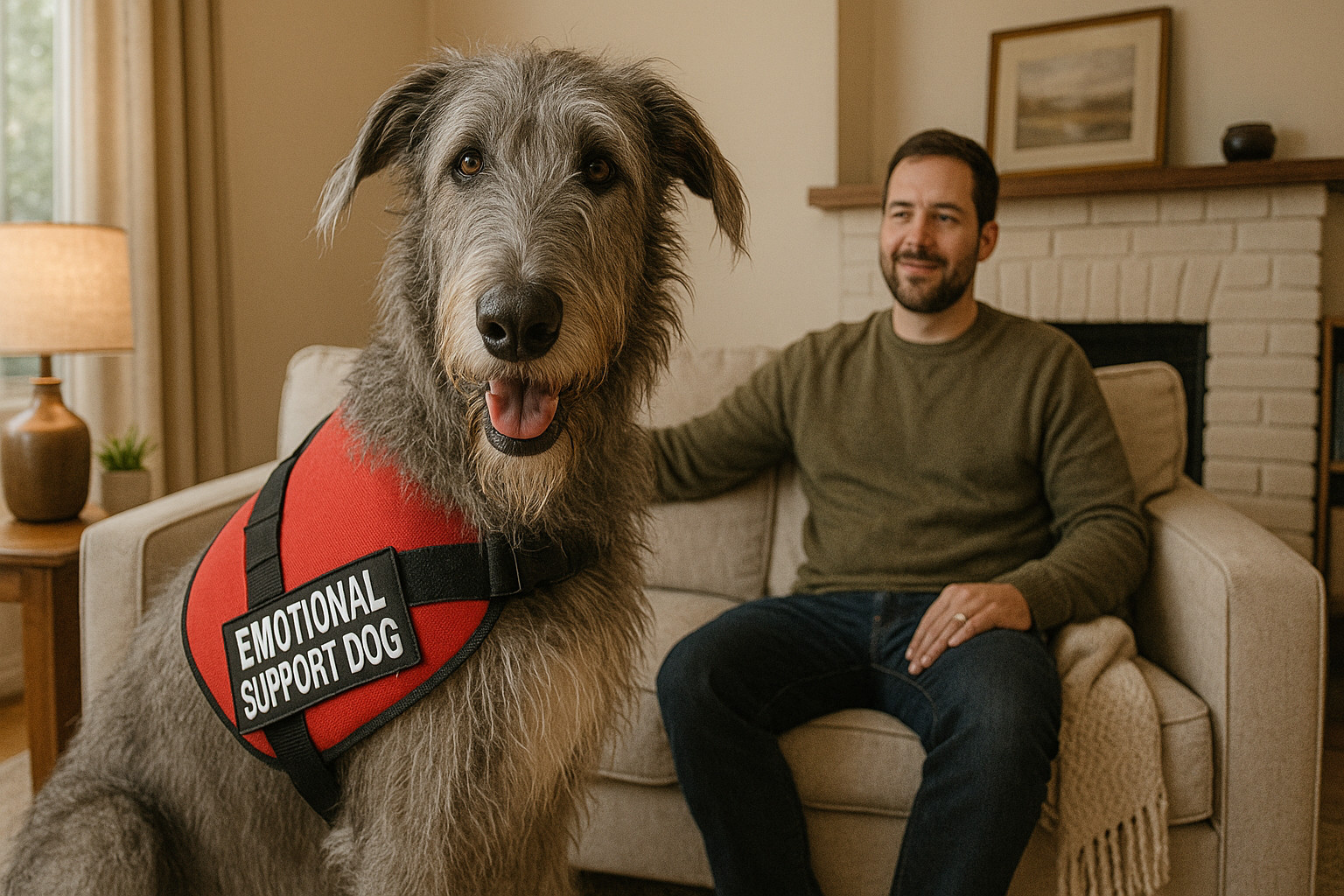
Irish Wolfhound as a Therapy Dog Overview
The Irish Wolfhound, one of the tallest canine breeds, is traditionally known for its gentle disposition and deep, expressive presence. While often celebrated for historic hunting prowess, its suitability as a therapy dog is another dimension worth exploring. In this article, we’ll delve into the distinctive qualities that make the Irish Wolfhound a remarkably effective therapy dog, perfect for settings requiring calm and compassionate engagement.
Understanding the Therapy Dog Role
A therapy dog’s primary function is to provide comfort and emotional support to individuals in various environments, from hospitals to schools. These dogs play a critical role in improving mental health, enhancing emotional well-being, and reducing stress through their interactions with people.
- Emotional Connection: Therapy dogs offer emotional support to individuals by serving as a reliable source of comfort and understanding.
- Adaptability: They must adapt to different environments and situations easily, remaining calm in the face of unpredictability.
- Empathy and Patience: Critical traits where the Irish Wolfhound shines due to its naturally empathetic and patient demeanor.
Physical Appearance and Energy Level
The Irish Wolfhound, often exceeding 30 inches at the shoulder, possesses a commanding yet gentle presence. This physical stature contributes positively to their role in therapy due to:
- Calming Size: Their large, gentle nature can offer a unique form of comfort; someone can physically lean on them or find solace in their substantial presence.
- Low to Moderate Energy Level: Despite their impressive size, they have a relatively low to moderate energy level, which helps them stay calm and settled during therapy sessions.
Personality and Emotional Intelligence
Irish Wolfhounds are renowned for their solid yet gentle personalities, making them ideal for therapeutic roles.
- Calm Temperament: Known for their even-keeled nature, they provide a calming effect in high-stress environments.
- Empathetic Sensitivity: Their ability to sense emotional distress in humans enriches therapeutic interactions.
- Natural Gentleness: This characteristic allows for safe, non-threatening engagements with vulnerable individuals, particularly beneficial in delicate settings like trauma recovery.
Environments Where Irish Wolfhound Excels
Given their adaptability and calm demeanor, Irish Wolfhounds excel in various therapeutic environments.
- Hospitals and Care Facilities: Their calming presence can soothe patients undergoing medical treatment or recovery.
- Educational Settings: Their patient nature works well in special education environments or where students may have developmental challenges.
- Rehabilitation Centers: The steady, reliable disposition of Irish Wolfhounds provides essential emotional support to individuals undergoing rehabilitation.
Common Therapy Settings
In therapy settings, a dog’s ability to bring comfort, companionship, and warmth can be transformative.
- Nursing Homes: They offer companionship to elderly residents, reducing feelings of loneliness and providing affection.
- Pediatric Care: Their calm, reassuring presence can help children feel less anxious and more at ease.
- Mental Health Clinics: As allies in counseling sessions, their non-judgmental nature can facilitate open emotional expression.
Interactions with Different Populations
The Irish Wolfhound’s versatility allows them to interact seamlessly with diverse groups:
Register Any Breed
- Children: Their gentle, tolerant nature ensures safe interactions, whether in play settings or therapeutic environments.
- Elderly Individuals: Their ability for slow, deliberate movements reduces the risk of accidental injury while providing emotional comfort.
- Individuals with Disabilities: They offer steady companionship, adapting to various needs and mobility requirements.
Health and Wellness Factors
A therapy dog must be physically fit and healthy to perform its duties effectively. Some considerations specific to the Irish Wolfhound include:
- Regular Veterinary Care: Ongoing health monitoring is essential due to their predisposition to certain genetic conditions.
- Exercise Requirements: Despite their size, moderate daily exercise adequately fulfills their needs without overwhelming them or the handlers.
- Diet and Nutrition: A balanced diet ensures their energy levels and health support demands of therapy work.
Lifespan and Common Health Issues
Understanding the breed’s lifespan and potential health concerns is crucial for therapy dog handlers.
- Lifespan: Irish Wolfhounds have a relatively short lifespan of 6-8 years, which should be a consideration for long-term therapy planning.
- Health Concerns: They may face specific health issues such as heart disease, joint problems, or bloat, all requiring diligent management.
Maintenance and Care Needs
The maintenance of an Irish Wolfhound involves specific grooming and care responsibilities:
- Coat Care: Regular brushing is required to keep their shaggy coats clean and free from mats, essential for public therapy visits.
- Joint Health: Given their large size, weight management and joint care support with supplements may help prevent mobility issues.
Training and Certification Readiness
Their disposition makes Irish Wolfhounds highly responsive to training processes:
- Basic Obedience: They excel in basic commands with the proper motivation and reinforcement.
- Socialization: Ensuring they’ve been socialized in various environments fosters their adaptability and effectiveness in therapy settings.
- Therapy Certification: Upon completing certification programs, their natural temperament aligns well with therapy requirements.
Learning Style and Responsiveness
Irish Wolfhounds exhibit a keen ability to learn and adapt:
- Responsive to Positive Reinforcement: They thrive under positive training methods focusing on rewards and encouragement.
- Patience and Consistency: Due to their independent streak, consistent, patient training ensures effective results.
Handling Social and Emotional Stimuli
Their response to social and emotional cues is outstanding:
- Calm in Stimuli-Rich Environments: They remain composed amidst noise or chaotic surroundings, essential for maintaining focus in therapy sessions.
- Emotional Perceptiveness: This breed naturally detects when comfort is needed, responding appropriately to emotional stimuli from humans.
Strengths, Limitations, and Ideal Roles for Irish Wolfhound
Their strengths include profound empathy, gentle interaction capabilities, and an imposing yet calming presence, all crucial for therapy work. However, there are limitations like their short lifespan and specific health issues that require consideration.
- Strengths: High empathy, large comforting presence, effective interaction with diverse populations.
- Limitations: Short lifespan, predisposed to certain health problems, and significant size support needs.
- Ideal Roles: Excel as bedside companions in medical facilities, in classrooms with special needs children, and in mental health support scenarios.
Final Thoughts
Owner and handler commitment to understanding and addressing health and behavioral needs is essential for the Irish Wolfhound’s success in therapy settings. With their unique blend of size, calm demeanor, and instinctive empathy, they truly embody the spirit of a protective, comforting therapy companion.
Key Takeaways for the Irish Wolfhound as a Therapy Dog
- Best suited for: Hospitals, schools, rehabilitation centers, and health care facilities requiring emotional support and companionship.
- Not ideal for: Environments where long active engagement is necessary due to their size and energy levels.
- Temperament highlights: Calm, gentle, empathetic, and adaptive to diverse emotional cues.
- Care and health notes: Requires regular healthcare checks and grooming; watchful dietary management is necessary.
- Therapy environments where they shine: Medical facilities, educational settings, and mental health clinics.


-
Public Access Kits
$149.00 Learn more This product has multiple variants. The options may be chosen on the product page -
Quick Ship Premium Vests
$48.00 – $82.00 Learn more This product has multiple variants. The options may be chosen on the product page -
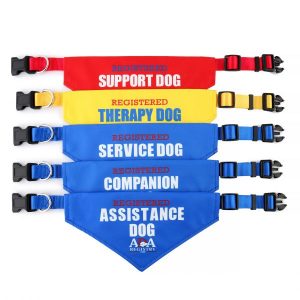
Service Dog Bandana
$39.95 Learn more This product has multiple variants. The options may be chosen on the product page
Custom ID Cards

Custom ID Cards
All States

Canada Cards

Custom Service Dog Tags
Official Dog Vests

Smart Vests
Official Public Access Kits
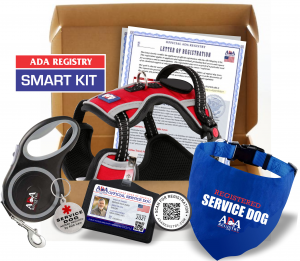
Complete Kits
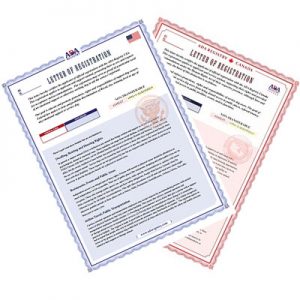
USA & CANADA Letters
High Quality Bandanas
Service Dog Tags
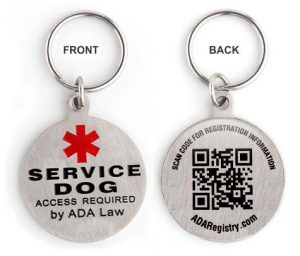
Smart Tags

ESA TAGS