Irish Wolfhound as an Emotional Support Dog
Register Any Breed
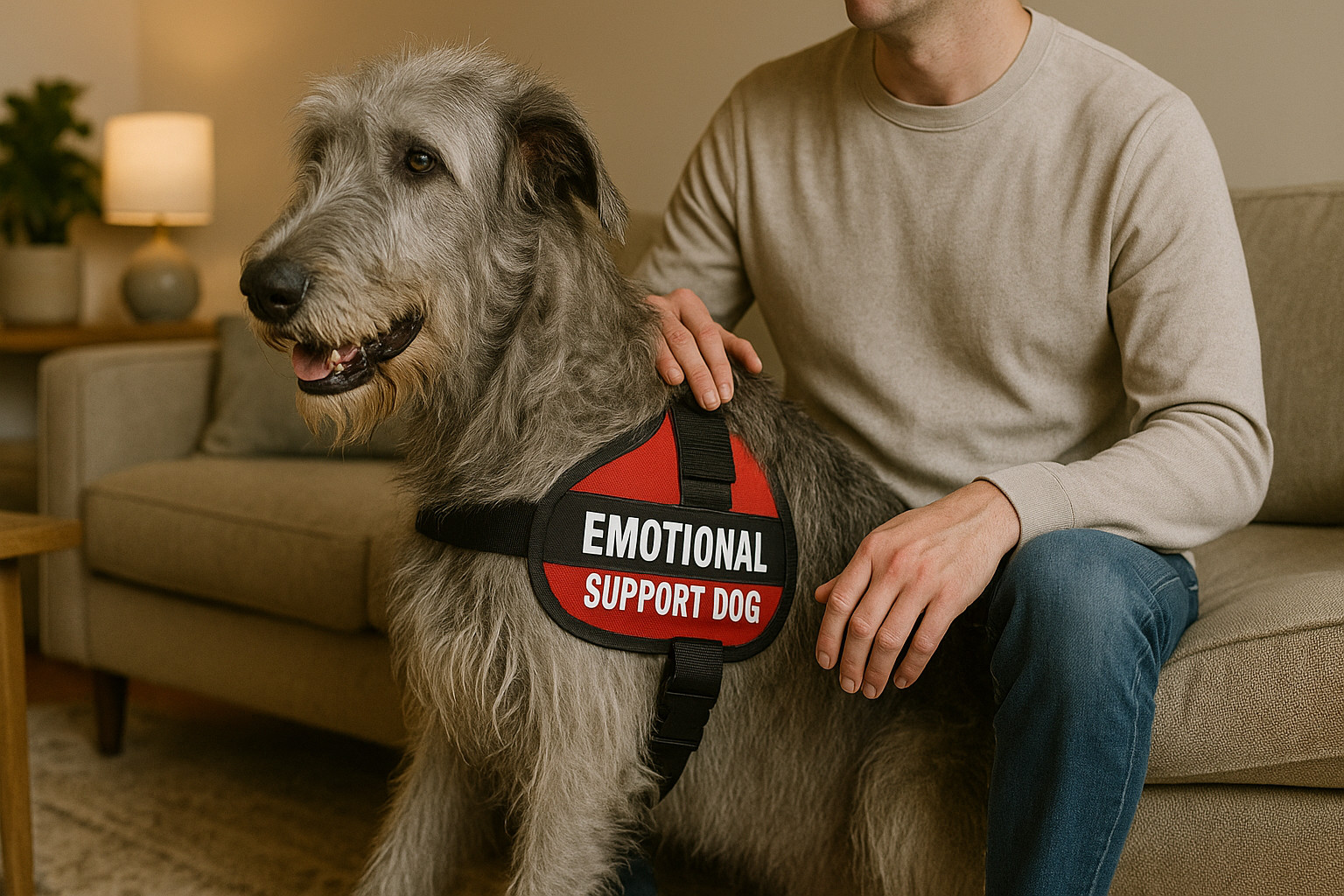
The Irish Wolfhound, known for its gentle demeanor and towering presence, is a breed that captures the hearts of many. As an emotional support animal, this breed brings unique qualities of empathy, calmness, and a nurturing presence, helping individuals navigate emotional challenges with companionship and solace.
Understanding the Emotional Support Role
Emotional support animals (ESAs) are not classified as service animals under the Americans with Disabilities Act (ADA) but are recognized for their ability to provide comfort and support to individuals suffering from emotional or mental health issues. Unlike service dogs trained for specific tasks, emotional support animals offer unconditional love, thereby alleviating symptoms of anxiety, depression, and loneliness.
Irish Wolfhound Overview
Irish Wolfhounds are one of the largest dog breeds, originally bred for hunting wolves in Ireland. Despite their formidable size, they are known for their gentle and loyal nature. Their imposing stature is complemented by a calm, sensitive, and affectionate disposition that makes them ideal companions for those in need of emotional support.
Temperament and Emotional Connection
The Irish Wolfhound's temperament is a key asset in its role as an emotional support dog. Known for their profound empathy, these dogs are incredibly sensitive to the emotions of their human companions. Their intuitive ability to sense distress and respond with comforting presence often helps in mitigating episodes of anxiety or depression.
- Empathy and Sensitivity: Irish Wolfhounds seem to have an inherent understanding of human emotions, often curling up beside their owners during moments of stress or sadness.
- Calm Nature: Their tranquil demeanor helps ground individuals who might otherwise feel overwhelmed or agitated.
- Affectionate Companionship: This breed thrives on forming deep bonds with their humans, offering consistent emotional reinforcement to those in need.
Adaptability and Daily Behavior
Irish Wolfhounds are remarkably adaptable, which enhances their capability as emotional support animals. While their size suggests they need ample physical space, their indoor behavior is unexpectedly laid back, making them suited for various living situations.
- Indoor Tranquility: Despite needing regular exercise, Irish Wolfhounds generally have low energy levels indoors, content to lounge around, providing emotional stability.
- Routine Compatibility: They are creatures of habit, adapting well to their owner's routines, which can be comforting for individuals who thrive on consistency.
Situations Where Irish Wolfhound Provides Strong Support
Irish Wolfhounds excel in situations requiring patience and gentle support. Their calming presence can be particularly beneficial in:
- Anxiety Reduction: The breed’s tranquil nature and large, reassuring presence can help mitigate the effects of anxiety.
- Companionship for Loneliness: Their deep bond with humans makes them excellent listeners and comforting presences for those who feel isolated.
- Support During Emotional Turmoil: Whether facing grief or significant life transitions, an Irish Wolfhound’s steady companionship offers non-judgmental support.
Ideal Living Environments
Given their size, Irish Wolfhounds ideally suit homes that can accommodate their needs for both space and comfort.
Register Any Breed
- Spacious Homes: A home with a large living area or a backyard is optimal to cater to their size and exercise needs.
- Calm Environments: They thrive in quiet, stable environments where they can form predictable routines.
Bonds with Different Types of People
Irish Wolfhounds form strong connections with a variety of individuals, adapting their supportive nature accordingly.
- Children and Families: Their patient and gentle nature makes them wonderfully suited to families, including those with children, as they offer reliable companionship.
- Seniors and Disabled Individuals: Their calm demeanor and loyalty make them excellent companions for seniors or individuals with disabilities requiring emotional support.
Health, Care, and Wellbeing
The health and care of Irish Wolfhounds are essential to ensure they can effectively offer emotional support.
Common Health Considerations
While generally healthy, Irish Wolfhounds can be prone to certain genetic conditions. Regular veterinary care is paramount.
- Heart Conditions: Regular check-ups can help detect and manage heart issues, such as dilated cardiomyopathy.
- Bloat Risk: As with many large breeds, they are at a higher risk for gastric torsion or bloat, which requires immediate medical attention.
Grooming, Comfort, and Maintenance Needs
Adequate grooming and maintenance contribute to the wellbeing of the Irish Wolfhound, ensuring they remain comfortable and happy in their support role.
- Coat Care: Regular brushing keeps their coat healthy and reduces shedding, enhancing their comfort as cuddly companions.
- Exercise Regimen: They require gentle, consistent exercise to maintain physical health without overstressing their bodies.
Preparing an Irish Wolfhound for Emotional Support Work
Preparing an Irish Wolfhound for its role as an emotional support dog involves fostering socialization and understanding emotional cues.
Socialization and Responsiveness
Starting socialization early ensures Irish Wolfhounds are comfortable in various settings, enhancing their ability to provide craved emotional support.
- Early Exposure: Introduce them early to different environments, people, and animals to build confidence and calm demeanor.
- Training Sessions: Gentle training sessions reinforce responsive behavior and ensure positive interactions with their human companions.
Managing Stress and Emotional Cues
Helping an Irish Wolfhound recognize and respond to human emotional cues involves positive reinforcement and bonding exercises.
- Observation Skills: Bonding activities such as regular grooming or shared quiet time enhance their ability to pick up on nuanced emotional states.
- Calming Techniques: Teaching calming techniques can aid them in grounding their human companions effectively.
Strengths, Challenges, and Ideal Homes for Irish Wolfhound
While they possess many qualities that make them superb emotional support dogs, Irish Wolfhounds do come with certain challenges.
- Strengths: Calmness, loyalty, and an oversized capacity for empathy make them exceptional at providing comfort.
- Challenges: Their size requires adequate space, and potential health issues need proactive management.
- Ideal Homes: Families or individuals with ample space and the ability to maintain regular veterinary care find the best companions in Irish Wolfhounds.
Final Thoughts
Irish Wolfhounds offer unparalleled emotional support through their gentle nature and unwavering loyalty. Their suitability as emotional support dogs can vastly improve the quality of life for individuals seeking companionship, peace, and emotional balance.
Key Takeaways for the Irish Wolfhound as an Emotional Support Dog
- Best suited for: Homes with ample space, families, individuals seeking steadfast companionship
- Not ideal for: Small apartments without outdoor access, owners unable to manage large breeds
- Emotional traits: Highly empathetic, calming, affectionate, loyal
- Care and health notes: Regular veterinary care, attention to heart and bloat risk, moderate exercise, grooming needs
- Environments where they provide the most comfort: Spacious homes, calm environments, family settings, supportive quiet spaces


-
Public Access Kits
$149.00 Learn more This product has multiple variants. The options may be chosen on the product page -
Quick Ship Premium Vests
$48.00 – $82.00 Learn more This product has multiple variants. The options may be chosen on the product page -
Service Dog Bandana
$39.95 Learn more This product has multiple variants. The options may be chosen on the product page
Custom ID Cards

Custom ID Cards
All States

Canada Cards
Custom Service Dog Tags
Official Dog Vests

Smart Vests
Official Public Access Kits
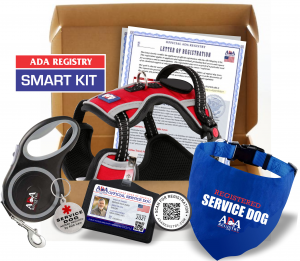
Complete Kits
USA & CANADA Letters
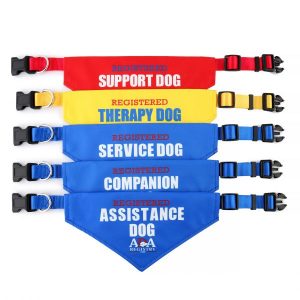
High Quality Bandanas
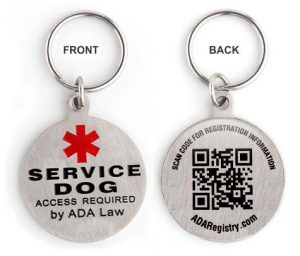
Service Dog Tags
Smart Tags

ESA TAGS