Italian Greyhound as a Service Dog
Register Any Breed
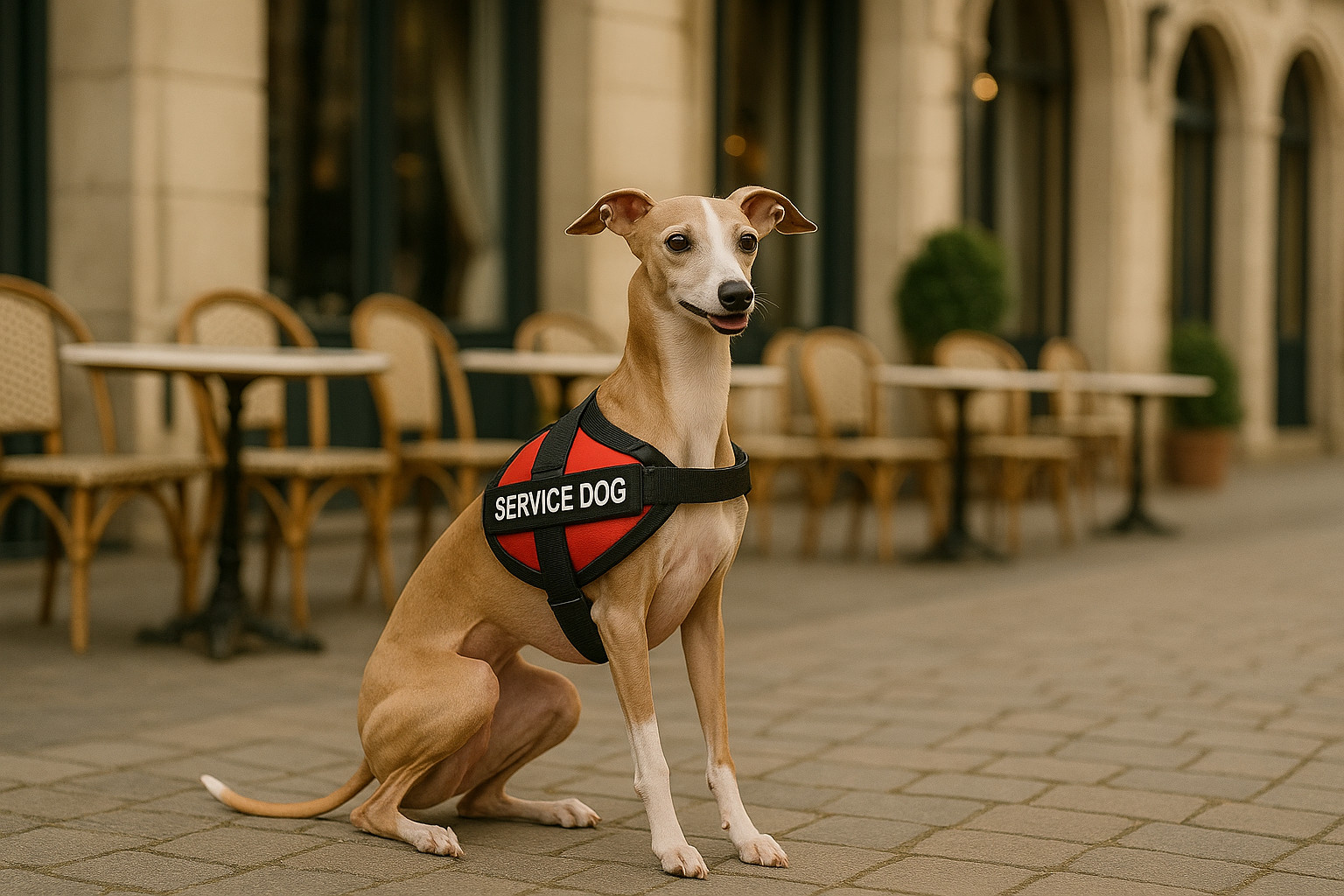
When considering a breed for service dog work, the Italian Greyhound may not be the first to come to mind. Known for their elegance and speed, these dogs possess unique qualities that both qualify and challenge them as service dogs. This article will delve into their suitability for this critical role, examining their physical and temperamental characteristics, types of service work they excel in or struggle with, potential health issues, and overall trainability.
Italian Greyhound Overview
The Italian Greyhound, often referred to as the "IG" or "Iggy," is a small breed that stands out with its refined build and graceful demeanor. Historically bred for hunting small game, they have transitioned over the centuries into devoted companions. Before considering them for service work, it's essential to understand their attributes and capabilities in depth.
Physical Characteristics
Italian Greyhounds are easily distinguished by their slender, graceful bodies. Here are some key physical traits:
- Size: Typically weighing between 6-15 pounds and standing 13-15 inches at the shoulder, their small size can be both an asset and a limitation.
- Strength and Agility: Despite their delicate appearance, Italian Greyhounds are exceptionally agile and possess a natural athleticism that serves them well in dynamic environments.
- Energy Levels: They are moderately energetic dogs who enjoy regular play and exercise but also appreciate downtime, making them adaptable to varied lifestyles.
The Italian Greyhound’s size makes them easy to manage in both home and public settings, but it limits their ability to perform physically demanding tasks. Their agility and speed can be beneficial for alert-oriented tasks rather than strength-based tasks like mobility support.
Temperament and Attitude
Italian Greyhounds are best known for their affectionate nature and their love for human companionship, making them potentially good candidates for certain types of service work:
- Attachment to Owners: They form strong bonds with their humans, which is crucial for tasks requiring close monitoring of the handler's emotional states.
- Sensitivity: Known for their sensitivity and responsiveness to their environments, Italian Greyhounds can react swiftly to emotional cues.
- Public Behavior: While they are generally well-mannered, some Italian Greyhounds may display shyness or anxiety in unfamiliar, crowded, or noisy situations.
Their inherent sensitivity can be beneficial for roles such as emotional support or psychiatric service work, where detecting mood changes is essential. However, their potential anxiety in overstimulating environments might require targeted socialization to thrive in public settings.
Types of Service Work
Italian Greyhounds’ unique attributes make them suitable for specific types of service tasks:
Register Any Breed
- Emotional Support Animals (ESA): Their affectionate and intuitive nature makes them ideal companions for individuals needing continual emotional support.
- Psychiatric Service Dogs: They can alert their handlers to panic attacks, PTSD episodes, or changes in mood, thanks to their attunement to human emotions.
- Medical Alert Dogs: While larger breeds are often preferred for this work, an Italian Greyhound’s agility and quick response can be useful for detecting subtle behavioral changes indicative of issues like seizures or low blood sugar levels.
- Therapy Dogs: Their small size and friendly demeanor make them excellent candidates for providing comfort and joy in therapeutic settings like hospitals or nursing homes.
Italian Greyhounds are less suited for heavy-duty service tasks, such as guiding visually impaired individuals or providing mobility support, where strength and endurance are prerequisites.
Health Considerations
Prospective service dog handlers should be aware of the Italian Greyhound's health predispositions, which can impact their suitability for service roles:
- Fragile Bones: Their thin bones mean they are prone to fractures, which necessitates caution in physically demanding tasks.
- Dental Health: Dental issues are common, requiring regular dental care to prevent problems that could interfere with their work.
- Skin and Coat Sensitivity: Their thin coats often make them sensitive to temperature extremes, necessitating appropriate protective measures.
- Vision Issues: Like many sighthounds, Italian Greyhounds can be predisposed to conditions like progressive retinal atrophy (PRA), which could affect their capacity for certain tasks over time.
These health considerations underscore the importance of regular veterinary check-ups and preventive care to ensure their well-being and ability to perform service work effectively.
Training and Suitability
Training an Italian Greyhound for service work presents specific advantages and challenges:
- Intelligence: With high intelligence, they can learn tasks quickly if motivated correctly.
- Training Approach: Consistent, positive reinforcement-based training methods are crucial to engage their attention and nurture their willingness to cooperate.
- Independence: While they are capable learners, their independent streak may sometimes manifest as stubbornness, requiring patience and persistence during training.
Italian Greyhounds require a focused training regimen that acknowledges their independence while building consistent service-related skills. Their success in service work hinges on balancing their need for positive engagement with structured learning.
Summary of Italian Greyhound
In conclusion, Italian Greyhounds possess several unique traits that make them suitable for specific service work roles, albeit with some limitations:
- Strengths:
- Affectionate and intuitive, ideal for emotional support and psychiatric roles.
- Agile and capable of responding quickly, beneficial for medical alert tasks.
- Weaknesses:
- Fragile build limits them from physically demanding service work.
- Possible anxiety in overstimulating environments requires careful socialization.
- Ideal Service Roles:
- Emotional Support Animal (ESA)
- Psychiatric Service Dog
- Therapy Dog
Overall, while not the first choice for traditional service roles requiring strength and endurance, Italian Greyhounds excel in emotional and alert roles, offering steadfast companionship and support.


-
Public Access Kits
$149.00 Learn more This product has multiple variants. The options may be chosen on the product page -
Quick Ship Premium Vests
$48.00 – $82.00 Learn more This product has multiple variants. The options may be chosen on the product page -
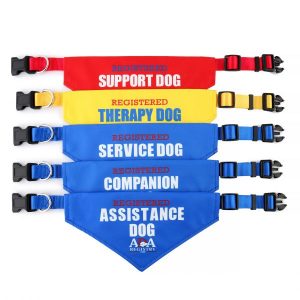
Service Dog Bandana
$39.95 Learn more This product has multiple variants. The options may be chosen on the product page
Custom ID Cards

Custom ID Cards
All States
Canada Cards
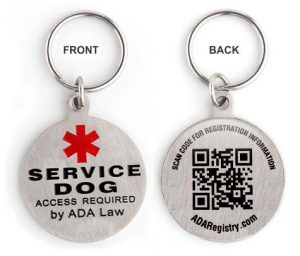
Custom Service Dog Tags
Official Dog Vests
Smart Vests
Official Public Access Kits
Complete Kits
USA & CANADA Letters
High Quality Bandanas
Service Dog Tags
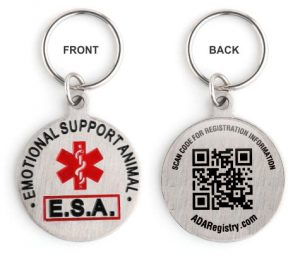
Smart Tags

ESA TAGS