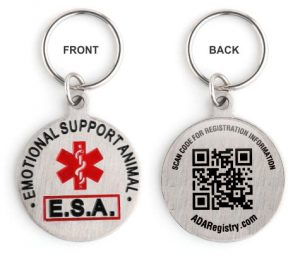
Japanese Chin as an Emotional Support Dog
Register Any Breed
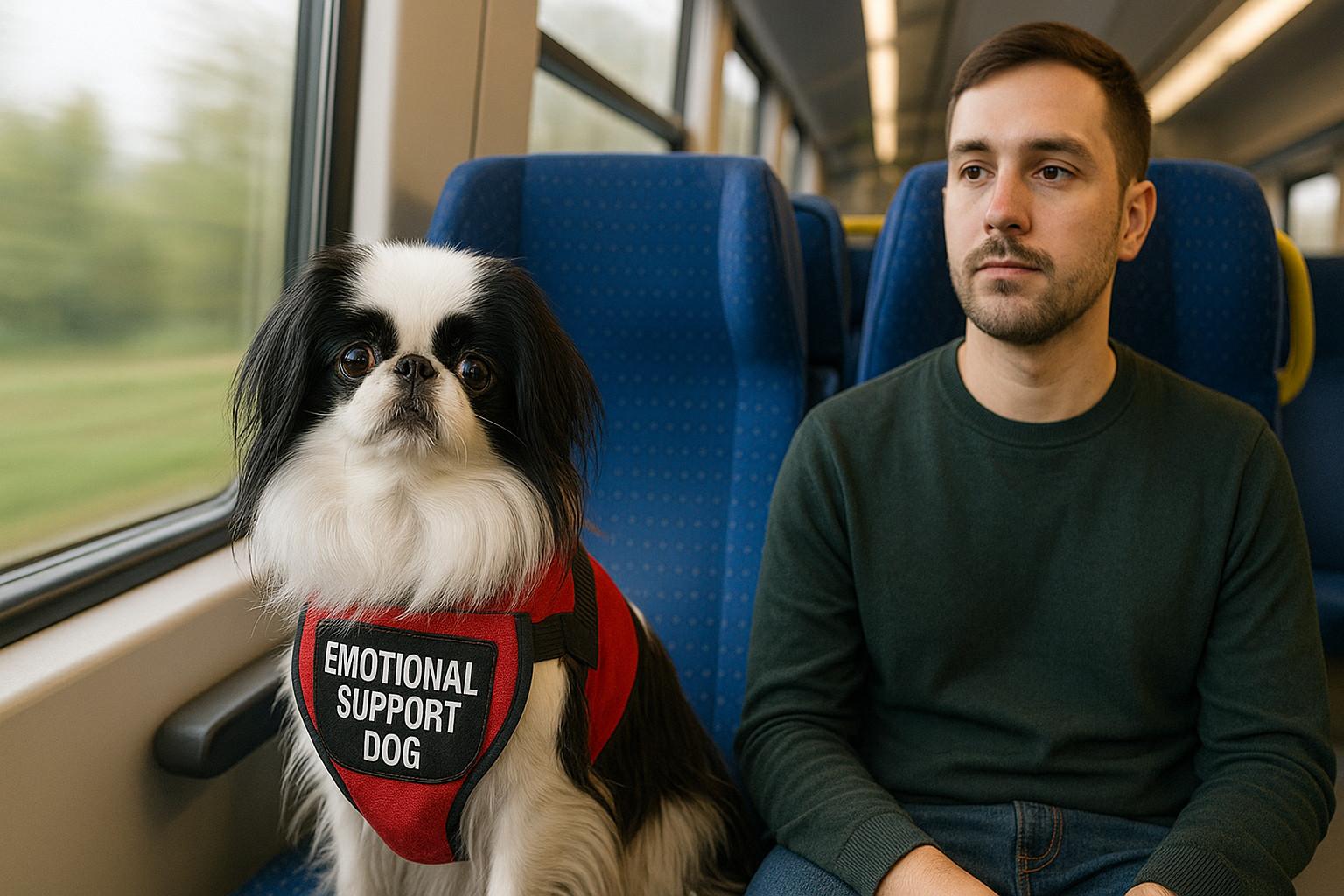
The Japanese Chin, a graceful and intelligent breed, is steadily gaining recognition as an excellent emotional support companion. With their distinctive personality traits, empathetic nature, and adaptable disposition, they offer emotional stability and companionship to those in need. This article delves into the multifaceted role of the Japanese Chin as an emotional support dog, highlighting their strengths, ideal environments, and care needs.
Understanding the Emotional Support Role
Emotional support animals (ESAs) are fundamentally valued for their supportive role in the lives of individuals dealing with mental health issues. Unlike service or therapy dogs, their primary function is to provide comfort through companionship, helping to alleviate symptoms of anxiety, depression, and loneliness. The Japanese Chin excels in this capacity, thanks to its sensitive and gentle nature.
Japanese Chin Overview
The Japanese Chin, a toy breed renowned for its aristocratic elegance, is small yet captivating. Originating from Asia, these dogs weigh between 4 to 9 pounds and display a distinctive facial structure with a short muzzle and large, dark eyes. Their luxuriant coats, usually seen in color patterns of black and white or red and white, mirror their regal heritage.
Temperament and Emotional Connection
The Japanese Chin is celebrated for its serene demeanor and profound ability to forge deep emotional bonds with its owners. This breed is incredibly intuitive, often sensing shifts in mood and offering companionship accordingly. Their temperament is characterized by:
- Affection and Devotion: Known to develop strong attachments, Japanese Chins revel in being close to their owners, providing unwavering support.
- Calmness: Their typically tranquil demeanor helps to create a relaxing environment, soothing anxiety and emotional distress.
- Emotional Awareness: Emphasizing their role as intuitive companions, Japanese Chins are adept at reading human emotions, responding to sadness or stress with comforting presence.
Adaptability and Daily Behavior
A versatile breed, the Japanese Chin is known for its adaptability, thriving in various living conditions from city apartments to quiet, rural homes. They are adept at adjusting their energy levels to match the pace of their environment and owner, making them suitable for individuals seeking a calm and easy-going companion.
- Energy Levels: While playful, they don’t require extensive exercise, which suits those who may have limited mobility or live in smaller spaces.
- Quiet Companions: Their gentle nature and soft voices mean they rarely bark, helpful for maintaining a peaceful home environment.
- Routine Flexibility: Adaptable to changes, they can accommodate different schedules, essential for those with variable lifestyles.
Situations Where Japanese Chin Provides Strong Support
Japanese Chins excel in providing emotional support in various situations. Their empathic behavior offers benefits such as:
- Anxiety Reduction: Their calming presence helps to ease anxious thoughts and feelings.
- Companionship for the Lonely: Offering affection and constant company, they immeasurably help those struggling with loneliness.
- Stress Alleviation: Japanese Chins possess a natural ability to detect and respond to stress cues, offering reassuring presence and distraction.
Ideal Living Environments
These adaptable companions flourish in settings where they receive ample attention and affection. Ideal homes include:
Register Any Breed
- Apartments or Small Residences: Their small size and moderate exercise needs make them perfect for apartment living.
- Family Homes: They integrate well into family settings, though supervision is recommended around younger children.
- Assisted Living Situations: Their companionship and therapeutic influence can be beneficial for elderly individuals or those in assisted living.
Bonds with Different Types of People
Japanese Chins are particularly versatile in bonding, often forming deep connections in a variety of contexts, including:
- Individuals with Anxiety or Depression: Their calm presence can significantly improve emotional wellbeing.
- Adults in Urban Settings: Their small size and minimal exercise requirements suit city living.
- Elderly Companions: Their affectionate nature and easy-care needs make them ideal for elderly individuals seeking companionship.
Health, Care, and Wellbeing
Maintaining the health and wellbeing of a Japanese Chin is crucial to preserving their capacity to serve effectively as emotional support animals. This breed requires attention to specific health and grooming aspects.
Common Health Considerations
Japanese Chins can be prone to particular health issues that require monitoring:
- Respiratory Problems: Due to their brachycephalic (short-nosed) face structure, they may experience breathing difficulties, especially in hot or humid conditions.
- Eye Concerns: Their protruding eyes are susceptible to injuries and infections and need regular checks.
- Weight Management: Their small frame can lead to obesity if not managed with a balanced diet.
Grooming, Comfort, and Maintenance Needs
Grooming is an integral part of caring for a Japanese Chin, impacting both their physical comfort and their effectiveness as emotional support dogs.
- Coat Care: Regular brushing is necessary to maintain their luxurious coat and minimize shedding.
- Hygiene: Due to their facial structure, daily facial cleaning is recommended to prevent staining and infection.
- Comfort: Ensuring they have soft, clean bedding enhances their comfort and overall wellbeing.
Preparing a Japanese Chin for Emotional Support Work
Training a Japanese Chin for emotional support roles involves emphasizing their socialization and responsiveness.
Socialization and Responsiveness
Early socialization ensures that Japanese Chins grow into well-adjusted adults capable of providing stable emotional support.
- Social Exposure: Regular interaction with various environments and people strengthens their ability to cope with diverse scenarios.
- Responsive Training: Basic obedience and behavioral conditioning enhance their suitability as companions, fostering responsiveness to emotional cues.
Managing Stress and Emotional Cues
Understanding and managing stress in Japanese Chins is vital for maintaining their effectiveness as emotional support animals.
- Recognizing Signs of Stress: Knowing how to identify stress indicators, such as whining or withdrawal, is essential for providing appropriate interventions.
- Adjusting Routines: Modifying activities to prevent stress enhances their comfort and emotional readiness.
Strengths, Challenges, and Ideal Homes for Japanese Chin
While Japanese Chins offer numerous strengths, prospective owners should also be aware of challenges.
- Strengths: Their size, intelligence, and affectionate nature make them outstanding emotional support animals.
- Challenges: Potential health concerns and grooming requirements demand commitment from owners.
- Ideal Homes: They thrive in environments where their need for affection and moderate attention is met.
Final Thoughts
Overall, the Japanese Chin's charming personality, adaptability, and empathy make it an excellent choice for those seeking an emotional support animal. With the proper care, training, and living environment, this breed can offer deep emotional connections and consistent companionship, enhancing the quality of life for its owner.
Key Takeaways for the Japanese Chin as an Emotional Support Dog
- Best suited for: Individuals with anxiety, urban dwellers, elderly companions.
- Not ideal for: Families with very young children or highly active lifestyles.
- Emotional traits: Affectionate, calm, intuitive.
- Care and health notes: Regular grooming, eye and respiratory care, and weight management needed.
- Environments where they provide the most comfort: Apartments, family homes, assisted living settings.


-
Public Access Kits
$149.00 Learn more This product has multiple variants. The options may be chosen on the product page -
Quick Ship Premium Vests
$48.00 – $82.00 Learn more This product has multiple variants. The options may be chosen on the product page -
Service Dog Bandana
$39.95 Learn more This product has multiple variants. The options may be chosen on the product page
Custom ID Cards

Custom ID Cards
All States

Canada Cards

Custom Service Dog Tags
Official Dog Vests

Smart Vests
Official Public Access Kits
Complete Kits
USA & CANADA Letters
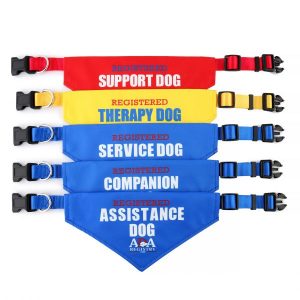
High Quality Bandanas
Service Dog Tags
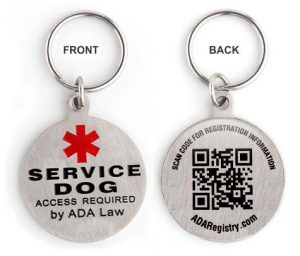
Smart Tags

ESA TAGS