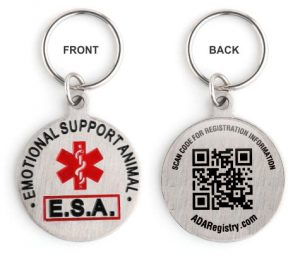
Keeshond as an Emotional Support Dog
Register Any Breed
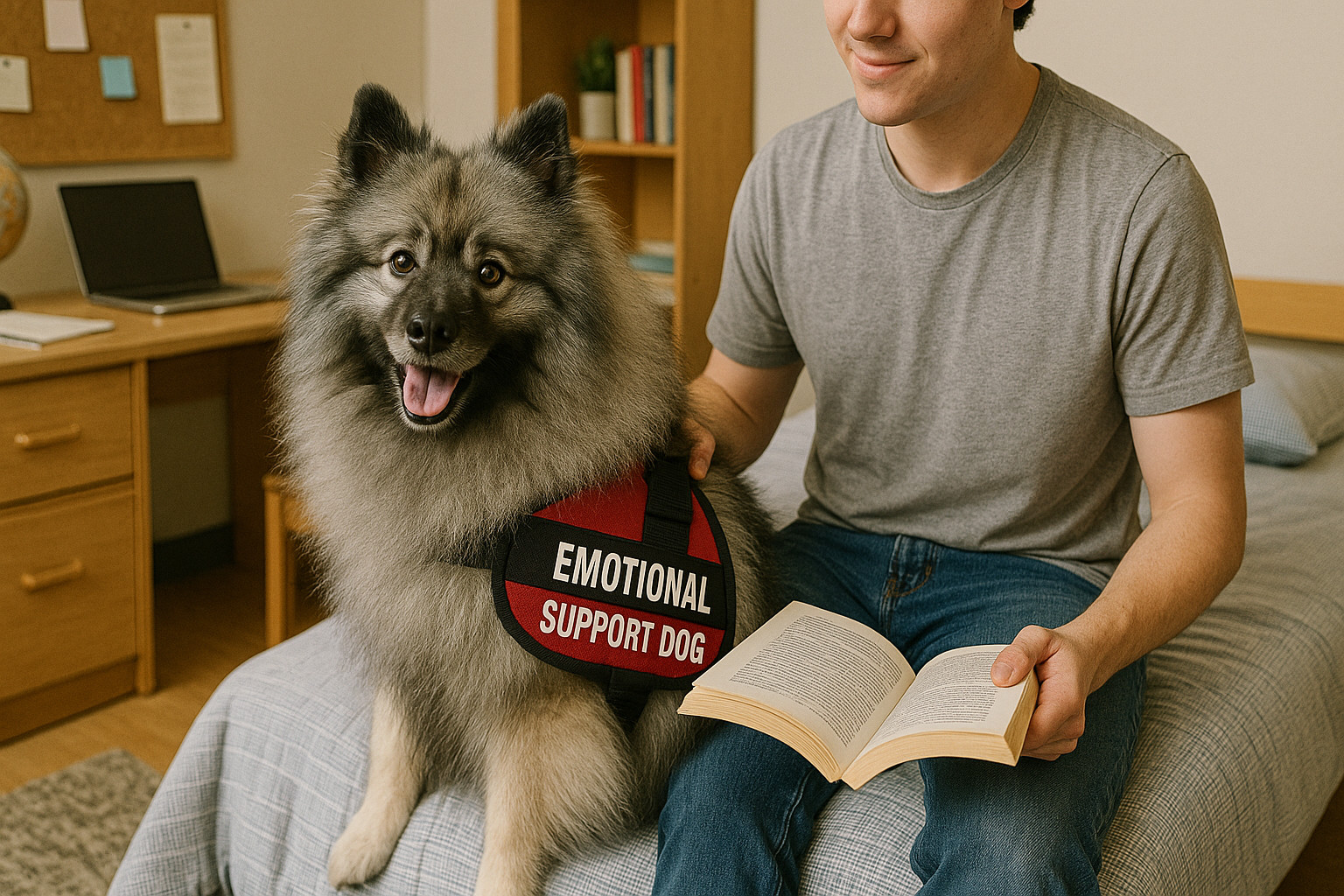
In today's world, emotional support animals (ESAs) play a crucial role in helping individuals navigate emotional and psychological challenges. Among various breeds suitable for this role, the Keeshond shines bright with its unique blend of temperament, intelligence, and affection. This article delves deep into why the Keeshond is an excellent choice as an emotional support dog — emphasizing its character, adaptability, and the profound emotional connection it provides.
Understanding the Emotional Support Role
Emotional support animals provide comfort and companionship to individuals dealing with emotional or mental health disorders. Unlike service animals, ESAs do not require specific tasks training, but their presence alone delivers therapeutic benefits.
Keeshond Overview
The Keeshond, often known for its striking appearance with a dense, plush coat and distinctive spectacles around its eyes, hails from the Netherlands. Historically, they served as watchdogs on barges, loyal companions to their human handlers. Their size — medium-large, yet sturdy — makes them ideal for various living situations.
Temperament and Emotional Connection
Keeshonds are celebrated for their friendly, intelligent, and affectionate nature. Their profound ability to bond with humans stems from:
- Empathy and Sensitivity: Keeshonds exhibit a remarkable ability to read human emotions, often responding with comforting levels of affection and understanding.
- Outgoing Temperament: Their social demeanor ensures that they blend well in social settings, easing the stress and anxiety of their human companions.
- Joyful Disposition: By nature, they're cheerful, effortlessly lifting the spirits of those around them, mitigating feelings of loneliness.
Adaptability and Daily Behavior
Keeshonds are highly adaptable, making them suitable for diverse living environments.
- Energy and Playfulness: While they are energetic, their need for physical activity is manageable, allowing them to adapt well to indoor lifestyles.
- Routine Compatibility: Keeshonds thrive on routine, offering stability and predictability — comforting traits for individuals needing emotional support.
- Quiet Companionship: Unlike some high-energy breeds, Keeshonds maintain a calm demeanor indoors, creating a serene environment.
Situations Where Keeshond Provides Strong Support
Keeshonds excel in various scenarios due to their innate abilities:
- Reducing Anxiety: Their comforting presence helps reduce anxiety, providing a calming influence during panic attacks or stress meltdowns.
- Combating Loneliness: As social animals, they offer companionship, particularly beneficial for individuals living alone.
- Mood Lifting: Their playful antics and cheerful nature can significantly improve mood, making them excellent partners for individuals facing depression.
Ideal Living Environments
Keeshonds are well-suited to different living arrangements, making them versatile companions:
Register Any Breed
- Apartments: Their moderate size and manageable energy levels make apartment living feasible.
- Family Homes: They thrive in larger spaces with families, enjoying interactive play and social bonds.
- Assisted Living: Their calm nature and empathy are particularly advantageous in environments such as assisted living facilities, providing continuous emotional support.
Bonds with Different Types of People
One of the Keeshond’s key strengths lies in its ability to bond with a diverse range of individuals:
- Children: Gentle and patient, they are excellent companions for children, providing both security and friendship.
- Older Adults: Their calm presence and manageable care needs make them perfect companions for seniors.
- Individuals with Anxiety or Depression: Their empathetic and comforting nature helps alleviate symptoms associated with these disorders.
Health, Care, and Wellbeing
Maintaining a Keeshond’s health is essential to ensuring their well-being and continued ability to provide emotional support.
Common Health Considerations
While generally healthy, Keeshonds may suffer from:
- Hip Dysplasia: Regular veterinary check-ups are key to early identification and management.
- Dental Care Needs: Consistent dental hygiene prevents common oral issues that can affect their quality of life.
Grooming, Comfort, and Maintenance Needs
Grooming a Keeshond is crucial due to their thick double coat:
- Regular Brushing: To prevent mats and manage shedding, regular brushing is necessary, offering shared bonding time and comfort.
- Bathing when Necessary: Keeshonds don’t require frequent baths, but when they do, it’s an opportunity to check for any skin conditions.
- Nail and Ear Care: Regular trimming and ear cleaning prevent infections and discomfort.
Preparing a Keeshond for Emotional Support Work
Though ESAs don’t require specialized training, ensuring a Keeshond is well-prepared involves foundational training:
Socialization and Responsiveness
Proper socialization bolsters a Keeshond's ability to provide consistent emotional support:
- Exposure to Various Environments: Introduce them to different settings, sounds, and people early on.
- Positive Reinforcement: Use rewards to encourage desired behaviors, improving obedience and responsiveness.
Managing Stress and Emotional Cues
Understanding and managing a Keeshond's stress is vital:
- Identifying Signs of Stress: Recognize indicators such as excessive panting or restlessness.
- Creating a Safe Space: Provide a comfortable space where they can retreat when overwhelmed.
Strengths, Challenges, and Ideal Homes for Keeshond
While Keeshonds are exemplary emotional support animals, potential challenges include:
- Exercise Needs: Ensure daily walks and interactive play to maintain their health.
- Separation Anxiety: Due to their strong bond with humans, they may experience separation anxiety, requiring gradual alone-time training.
Final Thoughts
The Keeshond’s empathetic nature, along with their adaptability and intelligence, makes them outstanding emotional support dogs. Their affectionate demeanor and moderate care needs make them a suitable choice for many individuals seeking companionship and stability. Yet, understanding their needs and ensuring a suitable environment is vital to maximize their potential as ESAs.
Key Takeaways for the Keeshond as an Emotional Support Dog
- Best suited for: Families, individuals in need of emotional stability, children, and seniors
- Not ideal for: Individuals unable to meet moderate exercise and grooming needs
- Emotional traits: Empathetic, affectionate, cheerful
- Care and health notes: Regular grooming, dental care, and preventive health monitoring
- Environments where they provide the most comfort: Apartments, family homes, assisted living facilities
In sum, the Keeshond offers unwavering support and companionship, assuring comfort to those they accompany as perceptive and loyal partners.


-
Public Access Kits
$149.00 Learn more This product has multiple variants. The options may be chosen on the product page -
Quick Ship Premium Vests
$48.00 – $82.00 Learn more This product has multiple variants. The options may be chosen on the product page -
Service Dog Bandana
$39.95 Learn more This product has multiple variants. The options may be chosen on the product page
Custom ID Cards

Custom ID Cards
All States

Canada Cards

Custom Service Dog Tags
Official Dog Vests

Smart Vests
Official Public Access Kits

Complete Kits
USA & CANADA Letters

High Quality Bandanas

Service Dog Tags
Smart Tags

ESA TAGS