Kerry Blue Terrier as a Therapy Dog
Register Any Breed
Kerry Blue Terrier as a Therapy Dog Overview
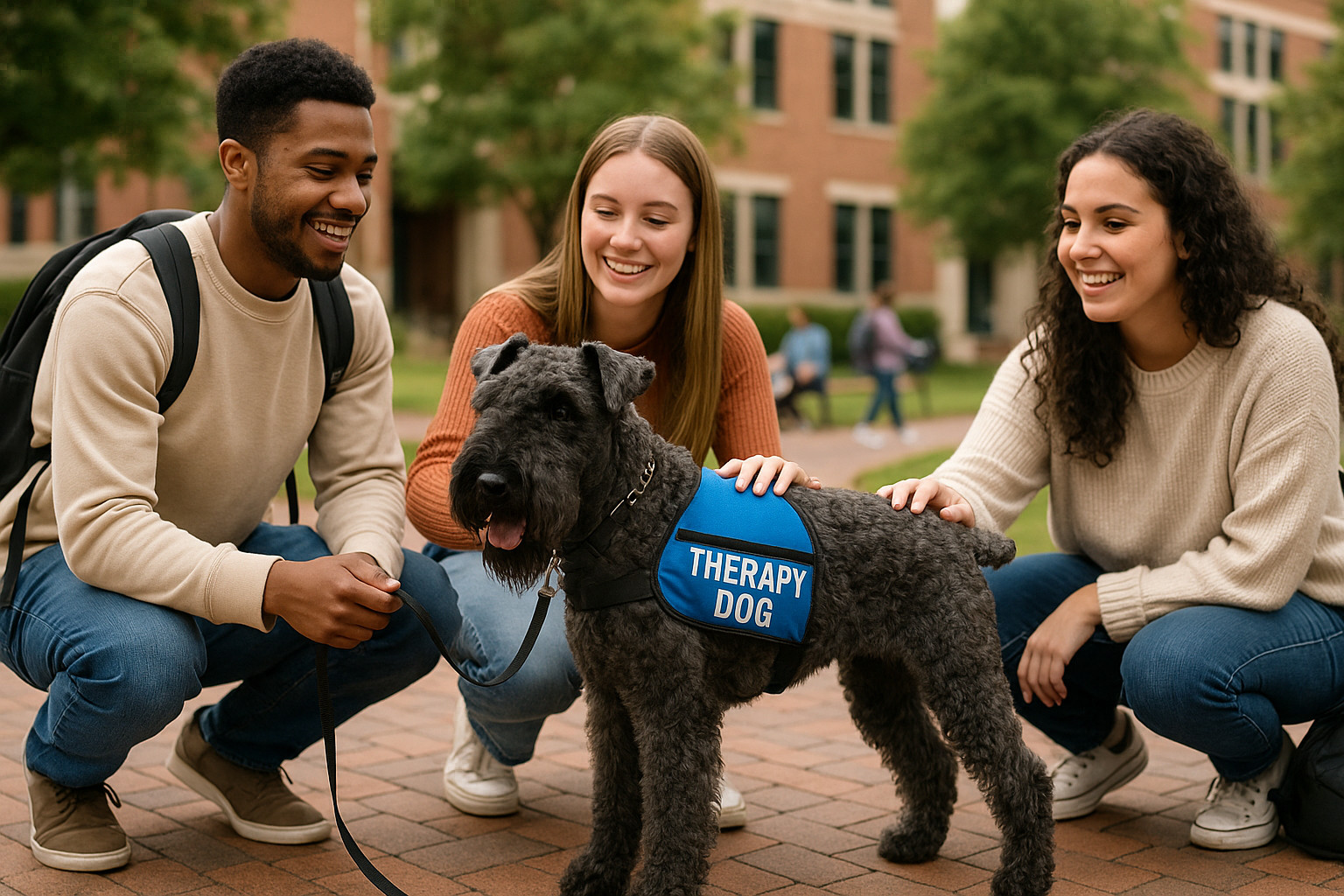
The Kerry Blue Terrier, affectionately known as the "blue terrier," hails from Ireland and is renowned for its intelligence, versatility, and striking appearance. As therapy dogs, Kerry Blue Terriers bring a unique blend of charm and vigor to various therapeutic environments. Their affectionate nature and keen sense of empathy make them potential candidates for roles in animal-assisted therapy. This article explores the potential of the Kerry Blue Terrier as a therapy dog, evaluating its suitability, strengths, and the considerations required to succeed in such a role.
Understanding the Therapy Dog Role
Therapy dogs provide comfort, emotional support, and affection to individuals in hospitals, nursing homes, schools, and other settings. Unlike service dogs, they do not perform specific tasks for individuals with disabilities but offer general therapeutic benefits. The success of a therapy dog largely depends on its temperament, behavior, and ability to interact positively with a diverse range of people.
Physical Appearance and Energy Level
Kerry Blue Terriers are medium-sized dogs with a well-built, muscular physique, heightening their appeal. Their dense, wavy coat, which ranges in shades from deep slate to light blue-gray, requires regular grooming. This maintenance is crucial for a therapy dog, ensuring they remain welcoming and comfortable for touch-sensitive individuals.
- Energy and Exercise Needs: Kerry Blues are energetic, necessitating regular activity to maintain a calm demeanor. Exercise helps them expend energy, aiding their ability to remain composed in therapeutic settings.
- Appearance: Their non-shedding coat makes them an excellent choice for environments where cleanliness and hypoallergenic traits are a priority.
Personality and Emotional Intelligence
The Kerry Blue Terrier is known for its spirited yet loving nature. Their strong sense of empathy and intuition allows them to read and respond to human emotions effectively:
- Empathy: They naturally gravitate towards individuals needing comfort, offering their presence as a soothing balm.
- Resilience and Patience: While they can be a bit stubborn, their patience shines through in therapy work, allowing them to engage consistently and compassionately with individuals.
Environments Where Kerry Blue Terrier Excels
Kerry Blue Terriers thrive in environments where their lively and friendly nature is an asset. Their adaptability is crucial in varied therapeutic contexts:
- Hospitals: Their calm demeanor combined with a non-allergenic coat allows them to work effectively in sterile, controlled environments.
- Schools and Educational Settings: Their playful yet controllable energy makes them ideal companions in schools for comforting children and providing stress relief.
Common Therapy Settings
Therapy dogs participate in various settings, each requiring different attributes:
- Nursing Homes: Their companionship can improve the emotional well-being of elderly residents, providing relief from loneliness.
- Rehabilitation Centers: Their playful nature encourages physical movement, aiding in rehabilitation exercises.
- Mental Health Facilities: The Kerry Blue’s attentive presence can help ease anxiety and depression, fostering a calming influence on patients.
Interactions with Different Populations
The Kerry Blue Terrier’s ability to bond effectively across different demographic groups stems from several personality traits:
Register Any Breed
- Children: Playful yet gentle, this breed can engage with children, offering non-judgmental companionship.
- Elderly: Their affectionate nature is beneficial in providing emotional comfort and routine physical interaction for the elderly.
- Patients with Anxiety Disorders: Their calming presence has shown efficacy in providing therapeutic benefits for patients dealing with anxiety or similar issues.
Health and Wellness Factors
A therapy dog must maintain optimal health to perform consistently:
- Lifespan: Typically, Kerry Blue Terriers live for around 12-15 years, ensuring consistency in long-term therapy work.
- Health Issues: The breed may be predisposed to conditions such as hip dysplasia or eye disorders. Regular veterinary check-ups and preventative care are crucial.
Lifespan and Common Health Issues
Understanding the potential health issues and lifespan of the Kerry Blue Terrier is vital for ensuring their longevity in therapy roles:
- Common Health Concerns: Eye issues such as cataracts, or skin problems related to their dense coat, may arise. Maintaining health through proper diet, regular exercise, and grooming reduces these effects.
Maintenance and Care Needs
The breed requires specific care considerations, particularly important for therapy environments:
- Grooming Needs: Regular grooming is essential to maintain their hypoallergenic coat and ensure they are presentable for therapy visits.
- Diet and Nutrition: A balanced diet is integral to sustain their energy levels and overall health, supporting their active lifestyle.
Training and Certification Readiness
Kerry Blue Terriers, being intelligent and driven, are highly trainable for therapy roles:
- Training Style: Positive reinforcement and consistency are key. Their eagerness to please facilitates ease in acquiring necessary therapy behaviors.
- Certification Readiness: Their intelligence supports quick learning of commands and behaviors needed for therapy dog certification processes.
Learning Style and Responsiveness
Their learning capabilities are enhanced by their natural curiosity and intelligence:
- Quick Learners: They respond well to training due to their cognitive abilities, making them highly attentive to commands.
- Adaptable Learning: They adjust readily to new environments and routines, allowing smooth transitions between various therapy settings.
Handling Social and Emotional Stimuli
The emotional resilience of Kerry Blue Terriers enables them to handle challenging environments:
- Social Adaptability: They thrive on social interactions, proving beneficial in environments demanding consistent human engagement.
- Emotional Balance: Their ability to maintain composure under pressure aids in sustaining their role during emotionally charged situations.
Strengths, Limitations, and Ideal Roles for Kerry Blue Terrier
Understanding both strengths and limitations helps tailor their therapy roles effectively:
- Strengths: Their friendly demeanor, intelligence, and adaptability make them ideal for diverse settings, from schools to rehabilitation centers.
- Limitations: High energy levels require proper management to prevent overwhelming certain populations, particularly in smaller, quieter therapy environments.
Final Thoughts
The Kerry Blue Terrier, with its combination of affection, intelligence, and adaptability, shows promise as a therapy dog. While they require specific health and care considerations, their potential to impact varied therapeutic environments positively is significant. Beyond their stunning appearance, it is their innate ability to connect and comfort that stands out, making them a breed worth considering for therapy work.
Key Takeaways for the Kerry Blue Terrier as a Therapy Dog
- Best suited for: Hospitals, schools, rehabilitation centers
- Not ideal for: Very low-energy environments without exercise outlets
- Temperament highlights: Empathetic, intelligent, sociable
- Care and health notes: Regular grooming, frequent health checks
- Therapy environments where they shine: Interaction settings needing a mix of energy and calmness
This comprehensive exploration of the Kerry Blue Terrier’s potential as a therapy dog highlights its strengths and offers guidance on maximizing its capabilities through proper training and care.


-
Public Access Kits
$149.00 Learn more This product has multiple variants. The options may be chosen on the product page -
Quick Ship Premium Vests
$48.00 – $82.00 Learn more This product has multiple variants. The options may be chosen on the product page -
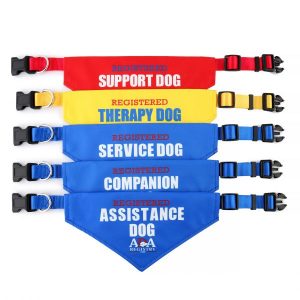
Service Dog Bandana
$39.95 Learn more This product has multiple variants. The options may be chosen on the product page
Custom ID Cards

Custom ID Cards
All States

Canada Cards

Custom Service Dog Tags
Official Dog Vests

Smart Vests
Official Public Access Kits
Complete Kits
USA & CANADA Letters
High Quality Bandanas
Service Dog Tags
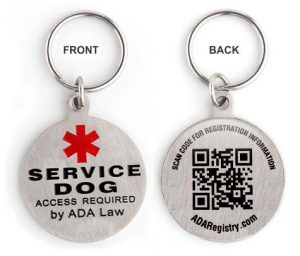
Smart Tags

ESA TAGS