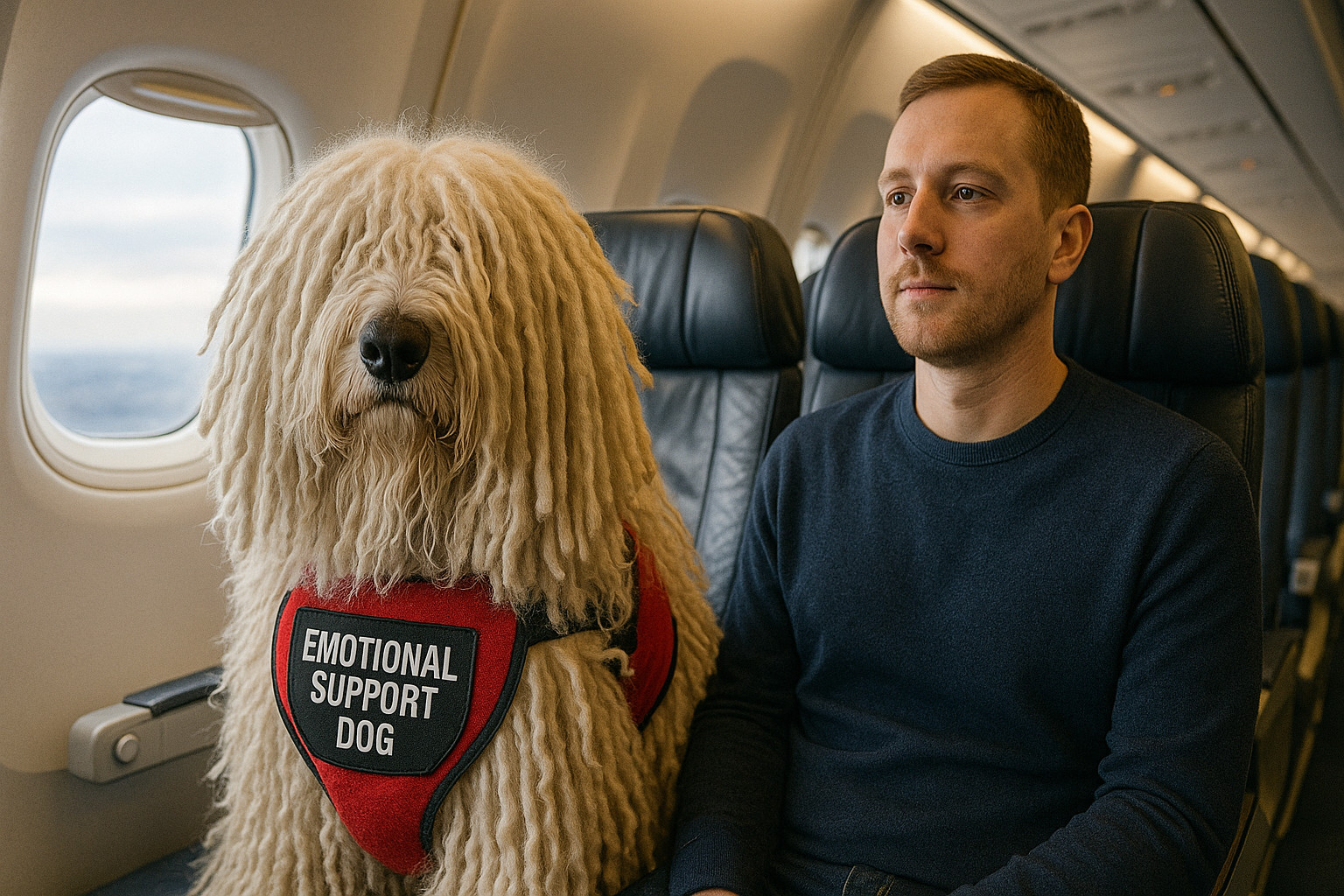
Komondor as an Emotional Support Dog
Register Any Breed
Understanding the Emotional Support Role
Emotional support animals (ESAs) provide companionship, relieve loneliness, and sometimes help with depression, anxiety, or certain phobias. Unlike service dogs, ESAs are not trained to perform specific tasks related to a disability but offer comfort simply with their presence. The Komondor, a breed revered for its unique appearance and vigilant nature, is becoming increasingly recognized for its potential as an emotional support dog.
Komondor Overview
The Komondor, known for its distinct corded coat, is a breed originally developed to guard livestock. This heavy-built, spirited dog boasts an imposing appearance that can be paradoxically both majestic and calming. Despite their formidable look, Komondors often have a calm, reserved nature, making them suitable for emotional companionship.
Temperament and Emotional Connection
Komondors are innately protective and loyal, thanks to their guard dog heritage. This breed naturally forms strong bonds with their human companions, often sensing changes in mood and offering solace through quiet companionship or gentle nuzzling.
- Empathy and Sensitivity: Komondors are keenly aware of their owner's emotional states, making them excellent at providing non-judgmental support when their human companions experience stress or anxiety.
- Loyalty and Bonding: Their deep commitment can create a secure emotional anchor, helping reduce feelings of vulnerability and insecurity.
Adaptability and Daily Behavior
While originally bred to roam outdoors, Komondors can adapt well to various living situations, given adequate exercise and mental stimulation. They tend to exhibit:
- Calm Demeanor: Komondors are often quiet and composed, manifesting a calming presence that can help alleviate distress or agitation in their owners.
- Energy Levels: With moderate energy needs, they require regular play and walks but also enjoy lounging in serene environments. This balanced energy supports stable emotional environments.
Situations Where Komondor Provides Strong Support
The Komondor's unwavering loyalty and protective instincts make them ideal for supporting individuals who may feel unsafe or anxious. They excel in situations mandating a steadfast, compassionate presence, including:
- Providing Reassurance in Large Spaces: Their size and demeanor can help individuals feel secure in expansive or open environments.
- Assisting with Anxiety Episodes: Their quiet nature provides a reassuring presence during panic attacks or high-stress times.
Ideal Living Environments
Despite their historical role as rural guards, Komondors can thrive in quieter suburban or countryside settings with spacious yards. They can adapt to urban apartments if sufficiently exercised and mentally stimulated.
- Best Environments Include: Homes with yards, serene suburban areas, and quiet rural settings.
- Indoor Compatibility: Comfortable living indoors without becoming restless, given proper attention and exercise.
Bonds with Different Types of People
Komondors tend to form particularly strong bonds with individuals who spend most of their time at home. They are well-suited for:
Register Any Breed
- Families: Serve as gentle giants, often displaying patience and protection.
- Single Adults: Provide companionship and emotional stability, especially to those who might be working from home or retired.
Health, Care, and Wellbeing
A Komondor's ability to serve effectively as an emotional support dog relies heavily on their health and well-being. Regular grooming and healthcare are necessary to maintain their service quality.
Common Health Considerations
While robust, Komondors can face several breed-specific health issues. Being proactive in veterinary care is crucial:
- Hip Dysplasia: Regular screenings and joint supplements can help manage this common condition.
- Entropion: A condition where the eyelid rolls inward, requiring monitoring and sometimes surgical correction.
Grooming, Comfort, and Maintenance Needs
The Komondor's iconic coat requires special attention to maintain its health, hygiene, and comfort.
- Coat Care: Their dense, corded coats need regular maintenance to prevent matting and skin issues.
- Comfort Concerns: Ensure consistent grooming routines to avoid discomfort from heavy or disheveled cords.
Preparing a Komondor for Emotional Support Work
Training and socialization are critical for a Komondor to succeed in their role as an ESA. They require:
Socialization and Responsiveness
Early and consistent training is necessary for a Komondor to develop appropriate social behaviors and responsiveness.
- Early Exposure: Introduce them to various environments and people to help mitigate over-protectiveness.
- Responsive Training: Encourages listening and responding to emotional cues, essential for effective emotional support.
Managing Stress and Emotional Cues
Komondors must learn how to interpret and react to their owner's emotional states while managing their own stress.
- Stress Management Techniques: Implementing relaxation techniques like massage can help maintain their calm demeanor.
- Interpreting Human Emotions: Through thoughtful training, strengthen their ability to respond to emotional distress.
Strengths, Challenges, and Ideal Homes for Komondor
Owning a Komondor involves understanding both their strengths and challenges. They thrive in environments where their loyalty and calmness are assets but may struggle where their protective nature isn't needed or is misunderstood.
- Strengths: Loyalty, calm demeanor, and innate protective instincts.
- Challenges: Can be overprotective or aloof to strangers if not properly socialized.
Final Thoughts
The Komondor, with its affectionate and protective nature, can be a fine choice for an emotional support dog, particularly for individuals who benefit from a stable, calming presence. Their unique characteristics, though requiring special grooming and care, offer invaluable emotional benefits that enhance the quality of life for their companions.
Key Takeaways for the Komondor as an Emotional Support Dog
- Best suited for: Homes with yards, families, individuals needing emotional reassurance.
- Not ideal for: Extremely urban environments without outdoor space, people unable to manage grooming.
- Emotional traits: Protective, loyal, empathetic.
- Care and health notes: Requires significant grooming, attention to hip health.
- Environments where they provide the most comfort: Suburban, rural, quiet homes with routine interaction.


-
Public Access Kits
$149.00 Learn more This product has multiple variants. The options may be chosen on the product page -
Quick Ship Premium Vests
$48.00 – $82.00 Learn more This product has multiple variants. The options may be chosen on the product page -
Service Dog Bandana
$39.95 Learn more This product has multiple variants. The options may be chosen on the product page
Custom ID Cards

Custom ID Cards
All States

Canada Cards
Custom Service Dog Tags
Official Dog Vests

Smart Vests
Official Public Access Kits
Complete Kits
USA & CANADA Letters

High Quality Bandanas
Service Dog Tags
Smart Tags

ESA TAGS