Labrador Retriever as a Service Dog
Register Any Breed
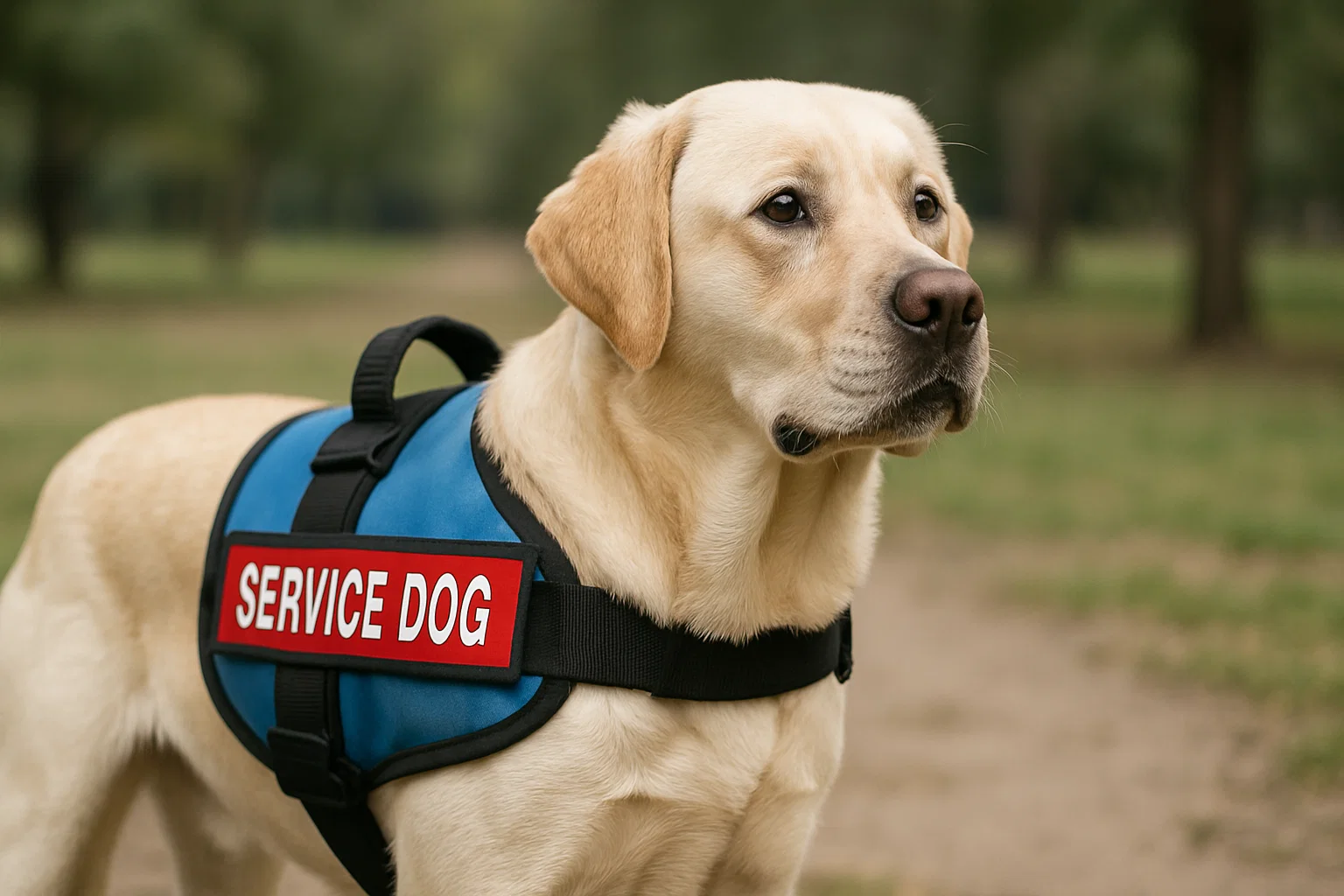
When considering a service dog, the Labrador Retriever often stands out as a leading choice due to its remarkable blend of physical attributes, temperament, and intelligence. Recognized for their gentle demeanor and adaptable nature, Labradors excel in various service dog roles. This article delves into what makes the Labrador Retriever an excellent choice for service work, exploring different facets such as their physical characteristics, temperament, health considerations, and training suitability.
Labrador Retriever Overview
The Labrador Retriever is among the most popular dog breeds globally, cherished for its versatility, friendliness, and intelligence. Known for being eager to please, these dogs form strong bonds with their human companions, making them exceptional service animals.
Physical Characteristics
Labrador Retrievers are medium-to-large-sized dogs, typically weighing between 55 to 80 pounds and standing 21.5 to 24.5 inches tall at the shoulder. Their robust build provides the necessary strength for tasks that require support or mobility assistance. Their water-repellent coats, broad heads, and expressive eyes contribute to their appealing, friendly appearance.
- Size and Strength: Labradors are strong enough to aid in physical tasks like guiding or supporting a handler's weight without being so large as to be difficult to manage.
- Coat and Maintenance: Their double coat is short, dense, and water-resistant, providing minimal grooming needs, though they do shed seasonally.
- Energy Levels: Labradors possess high energy levels, requiring regular exercise, which helps maintain their physical health and mental sharpness.
Temperament and Attitude
Labrador Retrievers are renowned for their even-tempered, friendly nature. They exhibit a natural kinship with people and dogs alike, demonstrating incredible sociability and adaptability.
- Friendly Disposition: Labradors typically have a well-balanced temperament, friendly to strangers but fiercely loyal to their handlers. Their ability to remain calm and composed in stressful or crowded situations makes them ideal for public work.
- Problem Solvers: Their intelligence enables them to quickly learn and remember commands, vital for service tasks that demand alertness and problem-solving.
- Emotional Resilience: Labradors are resilient to stress and tend to recover quickly from startling situations, crucial for work in unpredictable environments.
Types of Service Work
Due to their adaptable nature and willingness to work, Labrador Retrievers excel in a variety of service roles. Here are some of the service areas where they shine:
- Mobility Assistance: Labradors are strong and steady, able to provide balance support and help with tasks like opening doors or retrieving items.
- Medical Alert and Response: Their acute sense of smell makes them excellent at detecting changes in their handler's biochemical levels, alerting to conditions like low blood sugar or impending seizures.
- Psychiatric Services: They can provide comfort and reassurance to those with PTSD, anxiety, or depression, mitigating symptoms through companionship and pressure therapy.
- Guide Work: As guide dogs, Labradors assist individuals with visual impairments, expertly navigating various environments.
- Emotional Support: While not officially categorized as service dogs, Labradors also serve as emotional support animals, offering comfort and stability.
Health Considerations
While Labradors are generally a healthy breed, there are health conditions prevalent in the breed that may impact their ability to perform as a service dog:
- Hip and Elbow Dysplasia: These are genetic conditions common in Labradors that can lead to arthritis and mobility issues.
- Obesity: Labradors are prone to weight gain, which requires careful dietary management, especially given their role as active service dogs.
- Eye Conditions: Progressive Retinal Atrophy (PRA) is another concern that can lead to vision loss, significantly impacting a Labrador's capability to function as a guide dog.
- Ear Infections: Given their love of water, Labradors need regular ear cleaning to prevent ear infections.
Proper health screening and regular veterinary check-ups are crucial to maintaining a Labrador Retriever's service capabilities.
Register Any Breed
Training and Suitability
Labrador Retrievers are highly trainable, owing to their combination of intelligence, eagerness to please, and loyalty.
- Intelligence: Their ability to learn complex tasks and commands quickly makes them suitable for detailed service work.
- Consistency: Labradors benefit from consistent, reward-based training methods. They respond well to positive reinforcement, reinforcing desirable behaviors effectively.
- Adaptability: These dogs adapt well to various environments, learning to work calmly and efficiently in bustling city streets or serene rural settings.
Their innate ability to focus on tasks and maintain composure, even in distracting conditions, underlines their suitability for service work.
Summary of Labrador Retriever
In summary, the Labrador Retriever excels as a service dog due to its numerous strengths. Here's a quick overview highlighting their key attributes:
- Strengths:
- Friendly and Social: Quick to bond and eager to engage with humans and other animals.
- Physically Capable: Size and strength conducive to various service tasks, from mobility to medical alert.
- Highly Trainable: Intelligent and adept at learning and retaining complex commands.
- Versatile: Suitable for multiple service roles including guide work, mobility assistance, and psychiatric services.
- Weaknesses:
- Prone to Health Issues: Potential for joint problems and obesity, which necessitates proactive health monitoring.
- Requires Regular Exercise: High energy levels demand daily physical and mental stimulation.
- Ideal Service Roles:
- Mobility Assistance
- Medical Alert and Response
- Psychiatric Service
- Guiding and Companion Roles
By understanding these attributes, those in need of a service dog can make informed decisions about incorporating a Labrador Retriever into their lives, ensuring they select the right canine companion for their specific needs.


-
Public Access Kits
$149.00 Learn more This product has multiple variants. The options may be chosen on the product page -
Quick Ship Premium Vests
$48.00 – $82.00 Learn more This product has multiple variants. The options may be chosen on the product page -
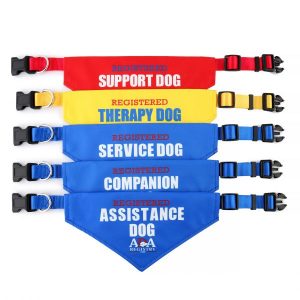
Service Dog Bandana
$39.95 Learn more This product has multiple variants. The options may be chosen on the product page
Custom ID Cards

Custom ID Cards
All States

Canada Cards

Custom Service Dog Tags
Official Dog Vests

Smart Vests
Official Public Access Kits
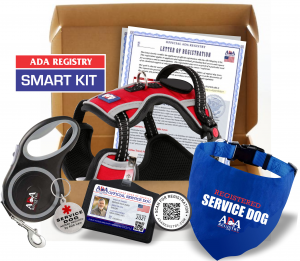
Complete Kits
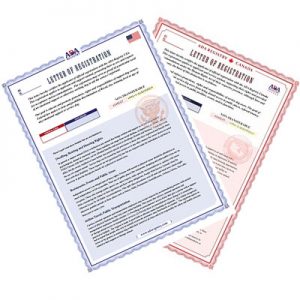
USA & CANADA Letters
High Quality Bandanas
Service Dog Tags
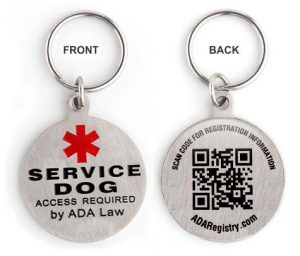
Smart Tags

ESA TAGS