Lakeland Terrier as a Service Dog
Register Any Breed
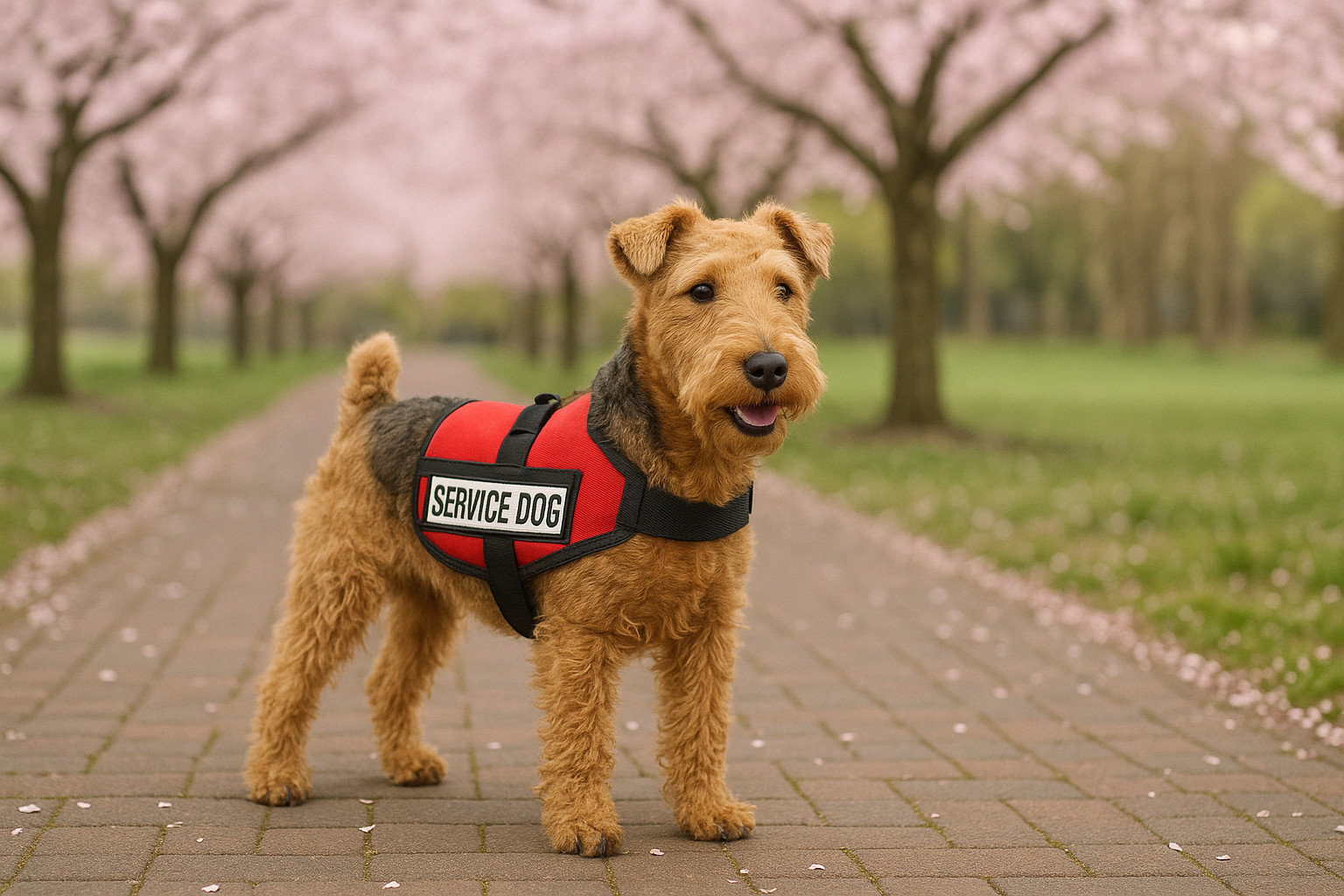
The Lakeland Terrier, a charming and spirited terrier breed, might not be the first choice that comes to mind when considering breeds for service dog work. However, this breed's unique qualities can make it suitable for specific service roles. By understanding their physical characteristics, temperament, health considerations, and training requirements, prospective handlers can make informed decisions about their suitability for service work.
Lakeland Terrier Overview
Physical Characteristics
The Lakeland Terrier is a small to medium-sized dog, generally weighing between 15 to 17 pounds and standing about 13 to 15 inches at the shoulder. Their size can be advantageous for certain types of service work, especially where portability and maneuverability are essential.
Their compact bodies are muscular and agile, featuring a dense, wiry double coat that sheds minimally, making them relatively low-maintenance in terms of grooming. The coat provides protection in varying weather conditions, which can be beneficial for outdoor tasks.
While their size limits their ability in roles requiring physical strength, it allows them to fit comfortably in smaller living quarters, such as apartments, making them accessible for individuals who might live in urban settings.
Temperament and Attitude
Lakeland Terriers are characterized by their bold, confident, and lively temperament. They possess a curious nature and a strong willingness to explore their surroundings. While these traits can make them excellent companions, they can also pose challenges in service dog roles requiring prolonged focus and calmness.
Their independent streak, a common characteristic of terrier breeds, means they may not always immediately follow commands. This independence requires handlers with patience and consistency to harness their spirited nature into effective service work. However, their intelligence and eagerness to learn can make them adaptable to situations where quick thinking is necessary.
In public or stressful environments, Lakeland Terriers may display a heightened alertness, which can be both a strength and a challenge. Their alert nature makes them good candidates for specific alert roles but can also lead to distractions if not properly trained.
Register Any Breed
Types of Service Work
Given their size and temperament, Lakeland Terriers are best suited for certain service roles:
- Medical Alert Services: Their keen sense of smell can be trained to detect changes in blood sugar levels or the onset of certain medical conditions, such as seizures.
- Psychiatric Service Dogs: Their small size and comforting presence make them suitable for roles that require providing emotional support and intervention during anxiety or panic attacks.
- Emotional Support Animals (ESAs): While not service dogs in the traditional sense, Lakeland Terriers excel as ESAs due to their loyalty and affection for their owners.
However, their limitations in size and strength mean they are less effective in roles requiring physical support, such as mobility assistance.
Health Considerations
While relatively healthy, Lakeland Terriers can be predisposed to certain genetic conditions. These include:
- Lens Luxation: A condition affecting the eyes that can lead to blindness if untreated.
- Legg-Calvé-Perthes Disease: A hip condition common in smaller breeds, which can affect their mobility.
Regular veterinary check-ups and proper care can help in managing these health issues, but they are important considerations when evaluating their suitability for long-term service.
Training and Suitability
Training a Lakeland Terrier requires commitment due to their independent nature. They thrive when training is consistent, positive, and engaging, taking advantage of their intelligence and eagerness to please. Early socialization is crucial to ensure they are well-mannered and comfortable in various environments.
Their trainability is influenced by their intelligence, which means they can learn quickly, but it also requires handlers to keep training sessions interesting and challenging to maintain their focus and prevent boredom.
Summary of Lakeland Terrier
The Lakeland Terrier can serve as a competent service dog in specific roles, offering benefits such as agility and a strong bond with their handler. However, their independent nature and size limitations mean they are not suitable for all types of service work.
To summarize:
- Strengths: Agile, intelligent, low-shedding, small size suited for portability.
- Weaknesses: Independent, may require consistent re-training, size limitation for physical support roles.
- Ideal Service Roles: Medical alert, psychiatric services, emotional support.
- Health Considerations: Prone to certain genetic conditions like lens luxation and Legg-Calvé-Perthes Disease.
In researching whether a Lakeland Terrier is right for your service needs, consider their unique qualities and how they align with the specific requirements of potential service dog roles. Understanding and respecting their limitations is crucial in making an informed decision.


-
Public Access Kits
$149.00 Learn more This product has multiple variants. The options may be chosen on the product page -
Quick Ship Premium Vests
$48.00 – $82.00 Learn more This product has multiple variants. The options may be chosen on the product page -
Service Dog Bandana
$39.95 Learn more This product has multiple variants. The options may be chosen on the product page
Custom ID Cards

Custom ID Cards
All States

Canada Cards

Custom Service Dog Tags
Official Dog Vests
Smart Vests
Official Public Access Kits
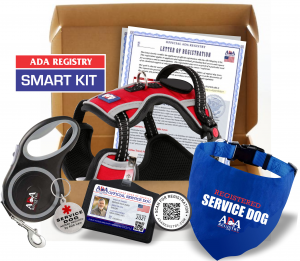
Complete Kits
USA & CANADA Letters
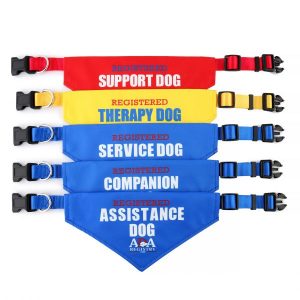
High Quality Bandanas
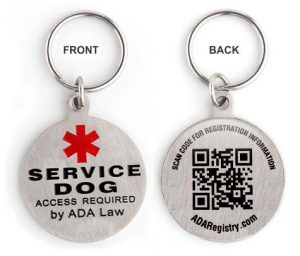
Service Dog Tags
Smart Tags

ESA TAGS