Lakeland Terrier as a Therapy Dog
Register Any Breed
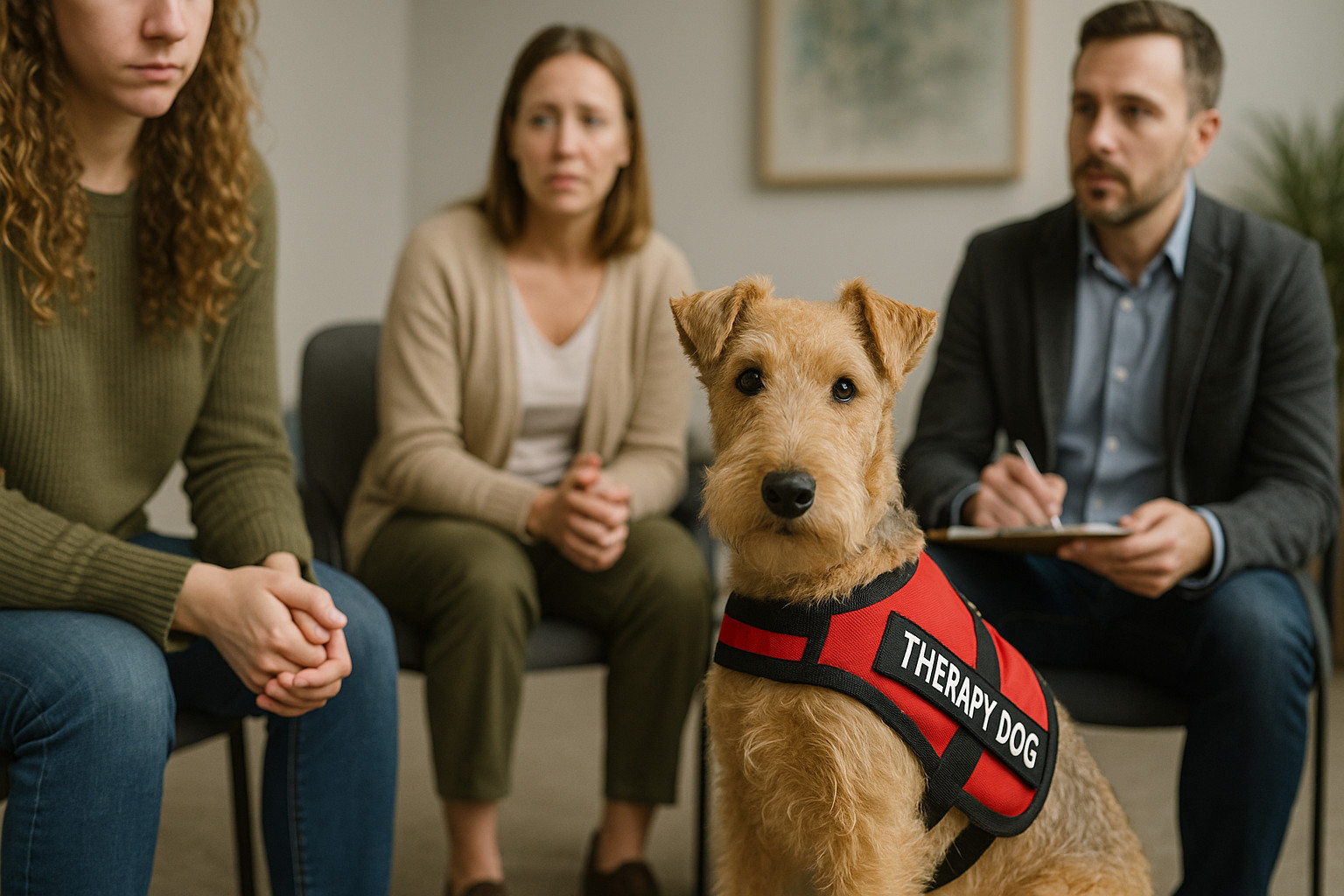
The Lakeland Terrier, known for its spirited nature and distinctive physical appearance, is a breed often overlooked when considering therapy dogs. However, with the right training and environment, these dogs can thrive in therapeutic roles. This article delves into the traits and characteristics that make the Lakeland Terrier a unique but potentially effective therapy dog.
Lakeland Terrier as a Therapy Dog Overview
Understanding the Therapy Dog Role
Therapy dogs are uniquely positioned to provide emotional support, comfort, and companionship to individuals in various settings, including hospitals, educational institutions, and rehabilitation centers. Unlike service dogs that perform specific tasks to assist individuals with disabilities, therapy dogs focus on emotional connection and support. Key qualities for successful therapy dogs include empathy, calmness, adaptability, and the ability to handle diverse social interactions positively.
Physical Appearance and Energy Level
The Lakeland Terrier is a small to medium-sized dog known for its sturdy build and striking, wiry coat. Standing about 14 to 15 inches at the shoulder, they are compact but agile, often exuding a sense of confidence and alertness. While their high energy levels can be a challenge in some therapy settings, they can also invigorate and engage individuals, particularly in pediatric environments or with active elderly populations. Maintaining this breed's coat through regular grooming is essential to ensuring they are presentable and hygienic in therapeutic contexts.
Personality and Emotional Intelligence
Lakeland Terriers are intelligent and perceptive, traits that can be beneficial in a therapy setting. Their inquisitive nature can lead them to form bonds with individuals quickly, offering genuine companionship. They possess a high level of emotional intelligence, allowing them to pick up on human emotions effectively. However, their independence can sometimes be mistaken for aloofness, making consistent training crucial to harness their full potential as therapy dogs. Their alertness and cheerful disposition can uplift individuals' spirits, providing much-needed emotional support.
Environments Where Lakeland Terrier Excels
Lakeland Terriers thrive in environments where they can leverage their energy and intelligence. Settings such as schools or rehabilitation centers, where dynamic interactions are encouraged, may benefit from this breed’s lively nature. However, they can adapt to quieter settings, such as hospitals, provided there is enough stimulation to keep them engaged. Their adaptability is a significant asset, allowing them to transition between different therapeutic environments seamlessly.
Common Therapy Settings
- Hospitals: Their lively presence can uplift patients, encouraging emotional well-being.
- Schools: Children can benefit from interacting with this energetic breed, which can motivate reluctant readers or serve as an engaging playmate.
- Rehabilitation Centers: The Lakeland Terrier’s energy can be channeled into physical therapy sessions, motivating patients to engage in exercises or activities.
- Assisted Living Facilities: They offer companionship to elderly residents, although their energy may need to be managed carefully.
Interactions with Different Populations
The Lakeland Terrier can excel with various demographics, provided they are correctly matched to the environment and individual needs. Their playful demeanor can engage children and young adults, while their affectionate nature provides comfort to older adults. A key consideration is ensuring that their energy is directed positively, preventing any overwhelming interactions with individuals who may be frailer or more sensitive.
Health and Wellness Factors
Proper health and wellness are vital for a therapy dog’s success. The Lakeland Terrier is generally healthy, with a lifespan of 12-16 years, but like all breeds, they are prone to specific health issues. Regular veterinary check-ups, a balanced diet, and plenty of physical exercise are essential to keep them fit for therapy engagements. In particular, monitoring for any signs of deafness or eye conditions is critical to maintain their ability to interact effectively in therapy sessions.
Register Any Breed
Lifespan and Common Health Issues
A healthy Lakeland Terrier can live a fulfilling life for 12 to 16 years. Common health issues include cataracts, lens luxation, and occasional skin problems. Regular grooming is necessary, not just for hygiene but to prevent these issues from affecting their comfort and health while working as therapy dogs. A well-cared-for coat can make interactions more pleasant for individuals with allergies or sensitivities.
Maintenance and Care Needs
Maintaining a Lakeland Terrier requires dedication, particularly concerning grooming and exercise. Regular brushing and grooming ensure the breed remains hygienic and comfortable during therapy visits. Additionally, sufficient exercise outside therapy work helps manage their energy levels, preventing anxiety or restlessness during sessions. Adhering to a consistent routine of mental and physical engagement is crucial for the well-being of a therapy Lakeland Terrier.
Training and Certification Readiness
Their intelligence and eagerness to please make Lakeland Terriers capable learners. However, their spirited nature requires a structured training approach, focusing on consistency and positive reinforcement. Training them for therapy certification involves teaching commands and behaviors conducive to therapeutic settings, such as sitting patiently, gentle interaction, and responding to emotional cues. Handling unexpected situations with calmness is a key area of focus during training.
Learning Style and Responsiveness
Lakeland Terriers are responsive and smart, often showing eagerness to learn new tasks. They thrive on positive reinforcement and can quickly pick up commands that enhance their therapy performance. Their independent streak requires trainers to establish clear boundaries and ensure that learning sessions are stimulating and rewarding. Regular training refreshers help maintain their skills and adaptability in different therapeutic environments.
Handling Social and Emotional Stimuli
The breed’s ability to handle social and emotional stimuli varies significantly based on their training and socialization. Early exposure to various environments and people is critical to developing their confidence and adaptability. Experienced handlers can guide them effectively, ensuring that their responses are appropriate and beneficial in therapy settings, such as providing comfort during emotional distress or excitement during boredom.
Strengths, Limitations, and Ideal Roles for Lakeland Terrier
Strengths of the Lakeland Terrier in therapy roles include their adaptability, intelligence, and vivacious energy. However, these same traits can present challenges if not properly managed. For instance, their energy might overwhelm more frail individuals, or their independence could impact obedience if not nurtured positively through training. Lakeland Terriers are ideally suited for roles requiring dynamic interaction and emotional engagement.
Final Thoughts
The Lakeland Terrier may not be the first breed that comes to mind for therapy work, yet their unique combination of energy, intelligence, and emotional intuition can make them effective therapy companions. With dedicated training and the right environment, they offer significant emotional and psychological benefits to those in need. Potential handlers should consider their distinct needs and strengths when preparing them for therapy roles.
Key Takeaways for the Lakeland Terrier as a Therapy Dog
- Best suited for: Dynamic environments like schools and rehab centers where their energy can be an asset.
- Not ideal for: Frail individuals or highly sensitive environments that require low-energy interactions.
- Temperament highlights: Energetic, intelligent, adaptable, and emotionally intuitive.
- Care and health notes: Regular grooming and check-ups to maintain coat and health for reliable therapy work.
- Therapy environments where they shine: Schools, rehabilitation centers, and any setting needing spirited interaction and engagement.


-
Public Access Kits
$149.00 Learn more This product has multiple variants. The options may be chosen on the product page -
Quick Ship Premium Vests
$48.00 – $82.00 Learn more This product has multiple variants. The options may be chosen on the product page -
Service Dog Bandana
$39.95 Learn more This product has multiple variants. The options may be chosen on the product page
Custom ID Cards

Custom ID Cards
All States

Canada Cards

Custom Service Dog Tags

Official Dog Vests

Smart Vests
Official Public Access Kits
Complete Kits
USA & CANADA Letters

High Quality Bandanas
Service Dog Tags
Smart Tags

ESA TAGS