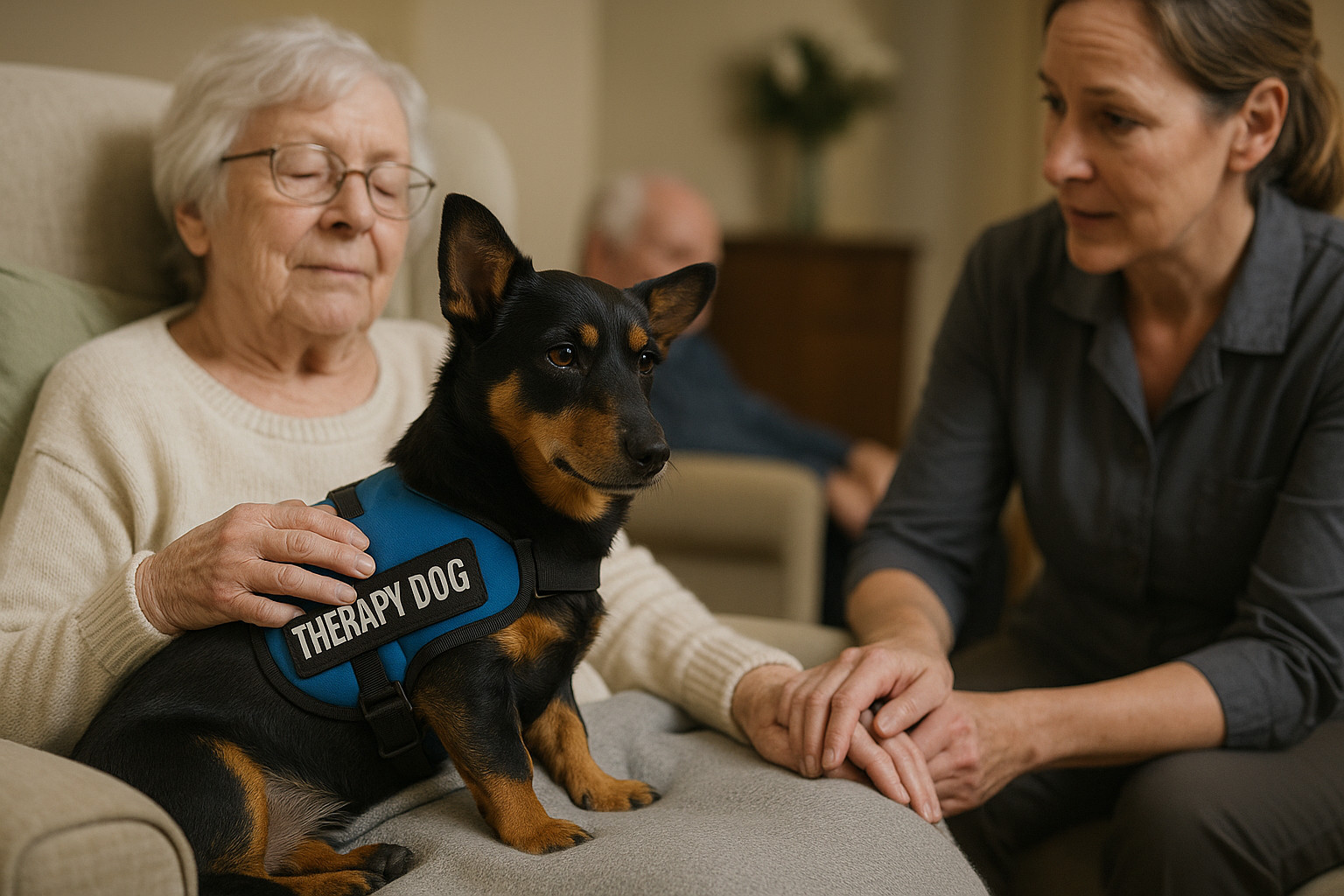
Lancashire Heeler as a Therapy Dog
Register Any Breed
Certainly! Below is an optimized article about the Lancashire Heeler as a therapy dog, structured in Markdown as per your request.
—
Lancashire Heeler as a Therapy Dog Overview
When considering suitable breeds for therapy work, it's crucial to evaluate both the temperament and physical traits that contribute to success in therapy settings. An often overlooked yet promising candidate is the Lancashire Heeler. While traditionally known as a herding dog, the Lancashire Heeler exhibits characteristics that can be effectively harnessed in therapy roles. This article will delve into these attributes and provide a comprehensive guide for those interested in training Lancashire Heelers for therapy work.
Understanding the Therapy Dog Role
Therapy dogs provide emotional support, comfort, and companionship, often under the guidance of health professionals. Unlike service dogs, therapy dogs do not perform tasks for individuals; they excel in social interaction and stress relief in environments like hospitals, schools, and care homes. Lancashire Heelers, with their bright, friendly disposition, are well-suited to the enterprise of emotional outreach in therapeutic settings.
Physical Appearance and Energy Level
The Lancashire Heeler is a small, robust breed with a distinctive smile and alert demeanor. Typically weighing around 13-15 pounds, they maintain an energy level that complements both active and calm environments. This size allows them to comfortably visit patients in confined spaces such as hospital rooms or rehabilitation centers. Their compact build requires minimal space, enabling ease of movement in varied environments.
- Adaptability: Easily transitions between indoor and outdoor settings
- Endurance: Capable of sustained interaction without tiring easily
- Suitability for Petting: Their small size is inviting for close contact
Personality and Emotional Intelligence
Lancashire Heelers are known for their intelligence and affectionate nature, essential traits in therapy contexts. They form strong bonds with people, showcasing empathy and responsiveness to emotional cues. These attributes allow them to connect effectively with individuals dealing with emotional or psychological challenges.
- Emotional Intelligence: High levels of perception and sensitivity
- Affectionate Nature: Naturally disposed to offer comfort and companionship
- Adaptability to Emotional Changes: Can adjust their behavior based on human moods
Environments Where Lancashire Heeler Excels
The breed’s flexible nature makes them suitable for various therapy environments. Their inherent curiosity and playfulness can lift spirits, while their calm demeanor offers solace in quieter settings.
Register Any Breed
- Hospitals: Provide emotional relief to patients and staff
- Schools: Assist in special education programs or during stressful times
- Rehabilitation Centers: Offer motivational support to individuals recovering from physical or emotional trauma
Common Therapy Settings
Lancashire Heelers can adapt to numerous therapy settings, each interacting with diverse populations that benefit from their presence.
- Veteran Homes: Support emotional recovery and socialization for veterans
- Children’s Hospitals: Engage with young patients through play and affection
- Elder Care Facilities: Provide companionship and reduce feelings of isolation among elderly residents
Interactions with Different Populations
Lancashire Heelers display versatility in their interactions, seamlessly engaging with different age groups and populations. Their small size and friendly nature make them non-threatening to children and comforting to older adults.
- Children: Fun-loving and gentle, making them ideal for interacting with younger populations
- Adults: Offers support and stability, particularly in stressful environments
- Seniors: Their calmness is reassuring, helping to alleviate loneliness
Health and Wellness Factors
The health and wellness of therapy dogs are paramount to their success and longevity in the role. Lancashire Heelers are generally healthy, but like any breed, they require regular veterinary care to keep them at their best.
Lifespan and Common Health Issues
Lancashire Heelers have a lifespan of about 12-15 years. They are relatively robust but should be monitored for conditions such as progressive retinal atrophy or lens luxation. Regular health check-ups ensure they remain fit for therapy duties.
- Lifespan: Generally long-lived, enhancing their utility in therapy roles
- Health Maintenance: Routine vet visits and screenings help prevent common breed-specific issues
Maintenance and Care Needs
Proper grooming and care are essential for maintaining the Lancashire Heeler's well-being and ensuring they remain presentable in professional environments. This involves regular brushing, nail trimming, and dental care.
- Grooming: Low-maintenance coat that requires occasional brushing
- Nail and Dental Care: Routine trims and cleanings to prevent discomfort and health issues
Training and Certification Readiness
Training a Lancashire Heeler for therapy work involves capitalizing on their intelligence and willingness to please. They respond well to positive reinforcement techniques and thrive in environments where they receive consistent training and socialization.
Learning Style and Responsiveness
Their quick learning ability and responsiveness make them excellent candidates for therapy dog certification programs. Consistent training sessions help reinforce desired behaviors and commands.
- Training Methods: Positive reinforcement is effective due to their eagerness to please
- Certification: With proper training, they can reliably earn therapy dog accreditation
Handling Social and Emotional Stimuli
A therapy dog must remain calm and collected in various social settings. Lancashire Heelers, with their patient and constant demeanor, can manage excited or noisy environments often found in therapy settings.
- Stability: Maintains composure in hectic settings
- Sensitivity to Stimuli: While generally calm, they should be gradually introduced to loud or chaotic environments
Strengths, Limitations, and Ideal Roles for Lancashire Heeler
While the Lancashire Heeler showcases many strengths advantageous for therapy roles, it’s important to recognize potential limitations. Small in size and typically strong-willed, they may not suit situations requiring heavy physical interaction.
- Strengths: Empathy, adaptability, and sociability
- Limitations: May show independence at times; require reinforcement to maintain focus
- Ideal Roles: Emotional support in less physically-demanding environments
Final Thoughts
The Lancashire Heeler, with its mix of intelligence, enthusiasm, and emotional receptivity, stands as an excellent choice for therapy work. Through proper training and care, they offer valuable emotional support across a wide array of settings, helping improve the lives of those they encounter.
Key Takeaways for the Lancashire Heeler as a Therapy Dog
- Best suited for: Schools, hospitals, elder care facilities
- Not ideal for: Settings requiring intense physical interactions
- Temperament highlights: Empathic, adaptable, and sociable
- Care and health notes: Regular health check-ups and basic grooming needed
- Therapy environments where they shine: Emotional support in less intense settings, such as schools and care homes
This detailed exploration of the Lancashire Heeler as a therapy dog presents them as a versatile and engaging option for those seeking to enhance therapeutic environments through animal assistance.


-
Public Access Kits
$149.00 Learn more This product has multiple variants. The options may be chosen on the product page -
Quick Ship Premium Vests
$48.00 – $82.00 Learn more This product has multiple variants. The options may be chosen on the product page -
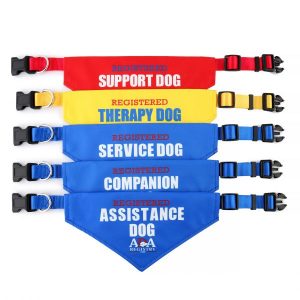
Service Dog Bandana
$39.95 Learn more This product has multiple variants. The options may be chosen on the product page
Custom ID Cards

Custom ID Cards
All States
Canada Cards
Custom Service Dog Tags
Official Dog Vests
Smart Vests
Official Public Access Kits
Complete Kits
USA & CANADA Letters
High Quality Bandanas
Service Dog Tags
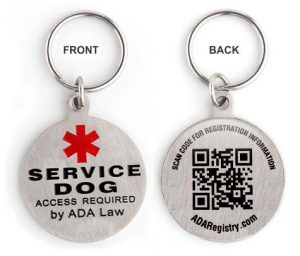
Smart Tags

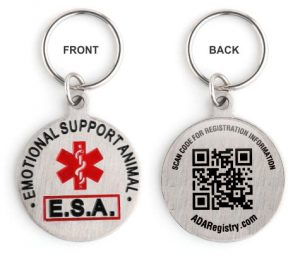
ESA TAGS