Lhasa Apso as a Therapy Dog
Register Any Breed
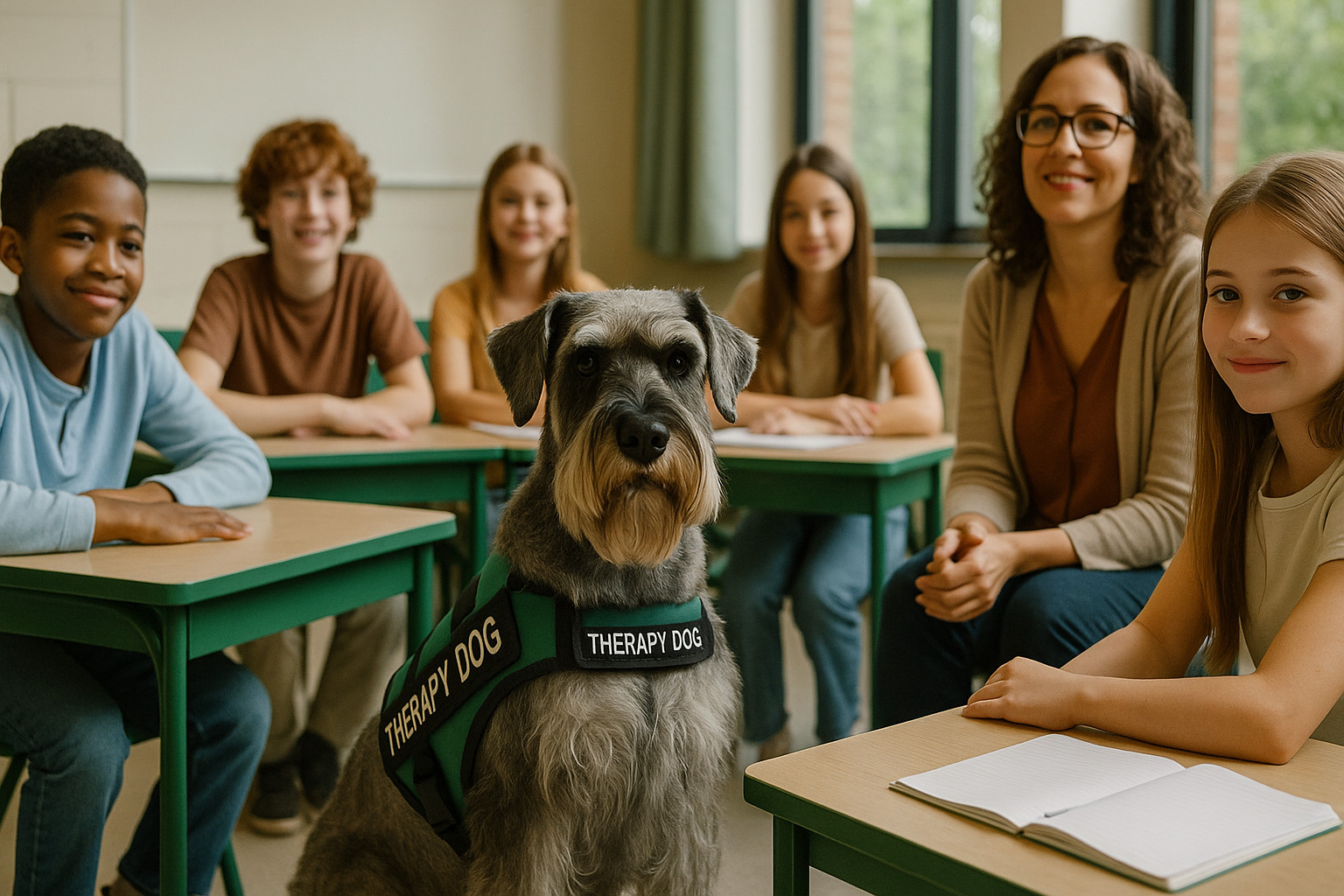
The Lhasa Apso, known for its rich history and distinctive appearance, is often celebrated not only for its role as a companion but also for its potential as a therapy dog. This article delves into the nuances of the Lhasa Apso as a therapy dog, offering insights into its temperament, trainability, and suitability for various therapeutic settings.
Lhasa Apso as a Therapy Dog Overview
The Lhasa Apso, originating from Tibet, carries a legacy of being a sentinel for Buddhist monks, which translates into an intuitive and alert nature well-suited for therapy work. Particularly, their innate ability to form deep connections can greatly benefit individuals in therapeutic settings.
Understanding the Therapy Dog Role
Therapy dogs provide comfort, emotional support, and companionship to individuals in need. The role requires dogs to exhibit a calm demeanor, adaptability, and responsiveness to emotional cues. Lhasa Apsos, with their caring nature and small size, can maneuver through spaces like hospitals or care facilities, making them excellent candidates for therapy roles.
Physical Appearance and Energy Level
Standing at 10 to 11 inches tall and weighing between 12 and 18 pounds, the Lhasa Apso is a compact breed. Despite their small stature, they possess a moderate energy level, allowing them to engage enthusiastically without overwhelming their human counterparts. Their long, dense coat requires regular grooming to maintain an appropriate appearance and hygiene during therapy visits.
Personality and Emotional Intelligence
The Lhasa Apso is known for its loyal and affectionate personality. Exhibiting a high degree of emotional intelligence, they can easily sense the emotional needs of those they interact with. This empathy makes them invaluable in clinical settings where patients may require reassurances and companionship.
Environments Where Lhasa Apso Excels
Lhasa Apsos thrive in environments where their calming presence can be most impactful:
- Hospitals and Nursing Homes: Their patient and composed nature can ease the anxieties of patients and residents, providing relief and joy.
- Schools and Libraries: As reading companions or calming presences, they help children develop reading skills and improve focus.
- Rehabilitation Centers: Their supportive and gentle demeanor aids in the recovery process, offering emotional comfort.
Common Therapy Settings
Common therapy settings appropriate for Lhasa Apsos include:
Register Any Breed
- Mental Health Clinics: Their empathy and sensitivity are advantageous in helping individuals confront and manage mental health challenges.
- Pediatric Wards: Their small size and playful nature resonate well with children, offering distraction and comfort.
- Hospice Facilities: Providing quiet companionship, they bring solace to individuals and families during the end-of-life process.
Interactions with Different Populations
Lhasa Apsos interact uniquely across different populations:
- Children: Often attentive and gentle, they help reduce stress and encourage positive interactions.
- Elderly Individuals: Their patient and constant companionship offer an emotional anchor for seniors dealing with loneliness or health issues.
- People with Disabilities: Lhasa Apsos cater to differing needs with their intuitive presence, offering both emotional relief and social engagement.
Health and Wellness Factors
To ensure their effectiveness as therapy dogs, the following health considerations must be addressed:
- Eye and Skin Health: Regular veterinary check-ups for common breed-related issues like dry eye or skin allergies.
- Emotional Wellbeing: Ensuring they have adequate downtime and undisturbed rest between therapy visits.
- Exercise Requirements: Moderate daily activities to keep their minds and bodies active.
Lifespan and Common Health Issues
Lhasa Apsos have a lifespan of approximately 12 to 15 years. Common health issues include hip dysplasia, kidney problems, and eye disorders. Proactive health monitoring can mitigate these risks and maintain their readiness for therapy work.
Maintenance and Care Needs
Maintaining a Lhasa Apso involves:
- Grooming: Regular brushing and occasional professional grooming to manage their dense coat.
- Nutrition: Balanced diets with specified nutrients to support their small frame.
- Dental Care: Routine dental hygiene to prevent oral diseases.
Training and Certification Readiness
Training Lhasa Apsos for therapy roles involves recognizing:
- Learning Style: Benefiting from consistent, positive reinforcement techniques.
- Training Responsiveness: They are generally responsive and eager to please, provided clear and positive communication.
- Certification Process: Completing an accredited therapy dog program customized for their specific needs and those of the environments they will serve.
Learning Style and Responsiveness
Their learning style is characterized by:
- Patience and Compliance: Known for responding well to gentle and sustained training methods.
- Recognition of Positive Reinforcement: Excels in environments where consistent praise and rewards are provided.
- Social Adaptability: Demonstrating increased adaptability in various social situations through ongoing socialization.
Handling Social and Emotional Stimuli
In therapy settings, the Lhasa Apso handles stimuli by:
- Exhibiting Calmness: Remaining composed in busy or emotionally charged environments.
- Recognizing Emotional Cues: Identifying and responding to emotional shifts in individuals accurately.
Strengths, Limitations, and Ideal Roles for Lhasa Apso
Strengths include their empathy, compact size, and ability to offer profound companionship. Limitations might involve their independent streaks or specific health needs, requiring trainers to adopt a considerate approach.
Ideal roles:
- Calm and controlled environments where their ability to provide emotional support is maximized.
- Situations requiring sustained interaction and emotional sensitivity.
Final Thoughts
Ultimately, the Lhasa Apso can thrive as a therapy dog with the right guidance and nurturing. By acknowledging their strengths and limitations, this breed can significantly impact those they work with, delivering unparalleled emotional support and companionship.
Key Takeaways for the Lhasa Apso as a Therapy Dog
- Best suited for: Low-demand, emotionally supportive roles like hospital or hospice visits where their calm demeanor and empathy shine.
- Not ideal for: Highly dynamic or expansive environments where high energy and large spaces are required.
- Temperament highlights: Loyalty, empathy, emotional intelligence.
- Care and health notes: Regular grooming and healthcare monitoring are essential for maintaining their therapy role effectiveness.
- Therapy environments where they shine: Hospitals, nursing homes, schools, libraries, and rehabilitation centers.
By comprehending the nuances associated with the Lhasa Apso as a therapy dog, professionals and volunteers can harness the distinctive abilities of this breed, ensuring a fulfilling and impactful therapy experience.


-
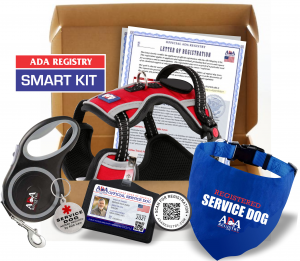
Public Access Kits
$149.00 Learn more This product has multiple variants. The options may be chosen on the product page -
Quick Ship Premium Vests
$48.00 – $82.00 Learn more This product has multiple variants. The options may be chosen on the product page -
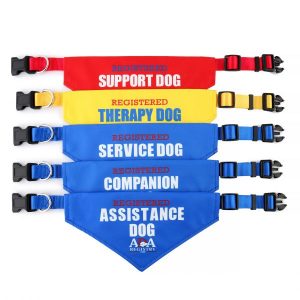
Service Dog Bandana
$39.95 Learn more This product has multiple variants. The options may be chosen on the product page
Custom ID Cards

Custom ID Cards
All States

Canada Cards

Custom Service Dog Tags

Official Dog Vests

Smart Vests
Official Public Access Kits
Complete Kits
USA & CANADA Letters

High Quality Bandanas
Service Dog Tags
Smart Tags

ESA TAGS