Maltese as a Service Dog
Register Any Breed
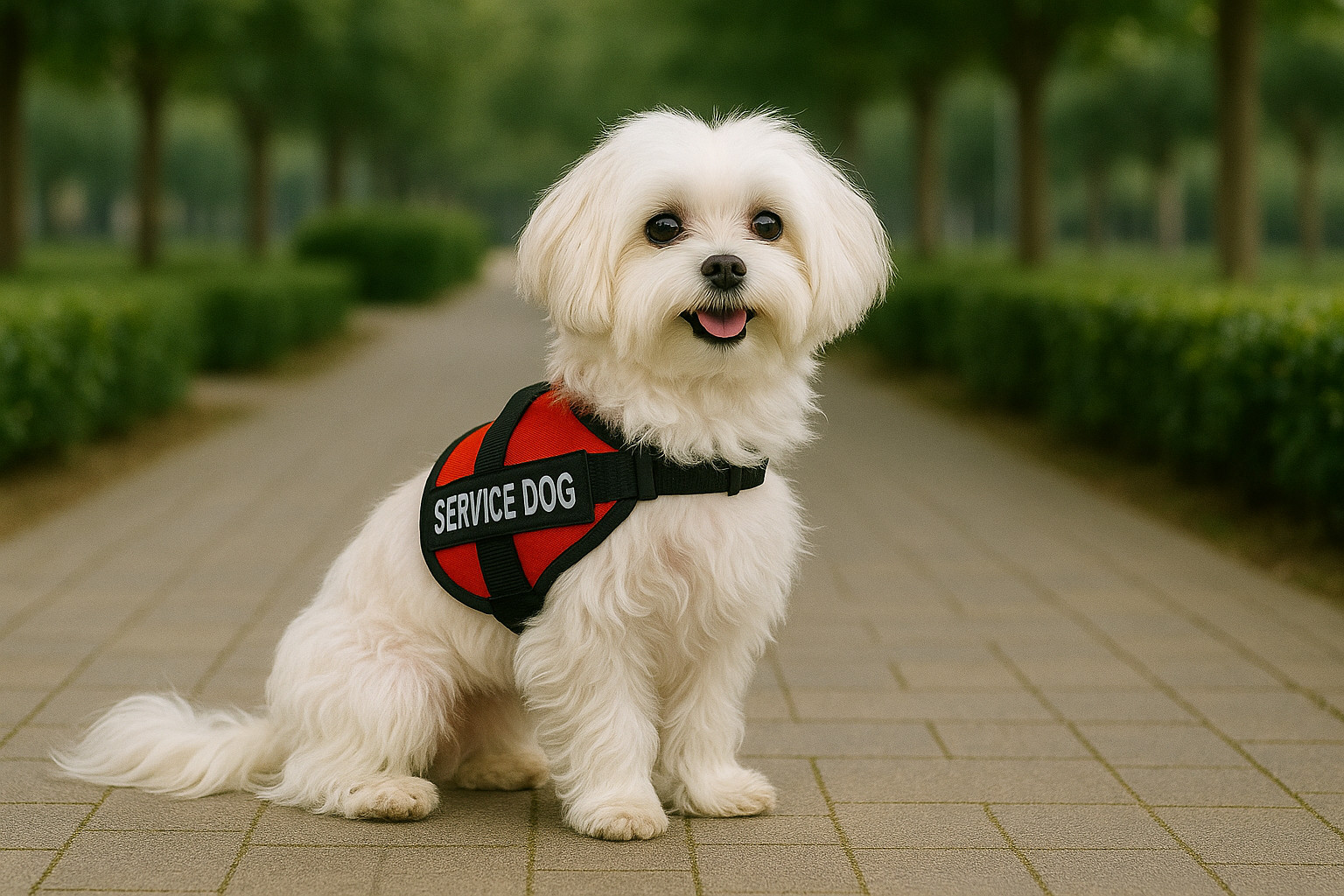
The Maltese, a toy breed known for its long, flowing white coat and sweet temperament, is not often the first breed that comes to mind when considering service dogs. However, with careful selection and training, Malteses can serve certain service roles exceptionally well. This article examines the Maltese's suitability as a service dog through detailed analysis of its physical characteristics, temperament, and potential service work roles.
Maltese Overview
The Maltese is a breed celebrated for its affectionate nature and compact size. Originating from the Mediterranean, this breed has been a companion dog for centuries. While their small stature might not lend well to all service tasks, their capability in offering emotional support and companionship is unmatched.
Physical Characteristics
The Maltese is a small breed, typically weighing between 4 to 7 pounds and standing about 7 to 9 inches at the shoulder. Despite their diminutive size, they are often sturdy and capable of adapting to various living environments.
- Size and Strength: Their small size may limit them in performing tasks that require significant physical strength, such as mobility assistance. However, this size makes them ideal for individuals who need a dog for emotional support or other lighter service duties.
- Energy Level: Malteses have moderate energy levels, meaning they do not require extensive exercise but can partake in moderate physical activity. This balance makes them excellent for individuals who might have limited mobility themselves.
Their petite form does present challenges in accessibility to objects that are out of reach, but clever training can help mitigate these limitations.
Temperament and Attitude
Renowned for their gentle and affectionate nature, Malteses excel in environments where companionship is critical.
- Social Behavior: Malteses are usually friendly and adapt well to social situations if socialized appropriately. This trait makes them great companions in public places where behavior must be impeccable.
- Stress Handling: The breed copes well with low to moderate stress levels. They usually thrive in calm environments but, with proper desensitization, can handle busier settings.
- Alertness: Due to their keen senses and observant nature, Malteses can be alert and responsive. This makes them good candidates for roles such as alert service dogs, where identifying subtle changes in their handler's condition is crucial.
Types of Service Work
While Malteses may not excel in every facet of service work, they have specific areas where their skills shine.
- Emotional Support and Therapy Dogs: Their loving nature and portable size make them perfect for emotional support tasks, offering comfort and calming presence.
- Psychiatric Service Dogs: Malteses can be trained to alert handlers to anxiety or panic attacks, leveraging their perceptive abilities to provide real-time support.
- Hearing Assistance: Due to their acute hearing, Malteses can effectively alert deaf or hard-of-hearing individuals to certain sounds, assuming tasks like fetching their attention when someone is at the door.
Health Considerations
Understanding the health profile of the Maltese is crucial for maintaining their capacity to serve effectively.
Register Any Breed
- Common Health Issues: The breed is prone to dental problems, luxating patellas, and some respiratory concerns due to their small facial structure.
- Longevity and Maintenance: Malteses typically enjoy long lifespans, averaging 12-15 years, yet require regular health check-ups. Their silky coats need consistent grooming to prevent matting, which is beneficial for maintaining cleanliness, especially in public service roles.
- Impact on Service Work: While these health issues are manageable, potential handlers should be aware that the additional grooming and medical care can increase the overall maintenance effort required.
Training and Suitability
Training is the cornerstone of any service dog’s effectiveness, and the Maltese is no exception.
- Trainability: Malteses are intelligent and tend to respond well to positive reinforcement strategies. Their eagerness to please, coupled with their intelligence, makes them capable learners.
- Independence Level: While Malteses are relatively dependent on human interaction, which suits them well for tasks involving close human contact, they can be trained for some tasks requiring more independence.
- Challenges: The primary challenge in training a Maltese arises from their innate stubbornness. Consistent training and patience are required to ensure they learn and retain service tasks effectively.
Summary of Maltese
- Strengths: Ideal for emotional support roles, highly affectionate, great apartment pets due to size
- Weaknesses: Limited in physical task capabilities, requires regular grooming, can be prone to health issues
- Ideal Service Roles: Emotional support, psychiatric assistance, hearing alert
Overall, while the Maltese may not be suited for all service roles, their loving nature and adaptability make them excellent candidates for emotional and psychiatric assistance, as well as certain alert roles. With the right training and care, they can provide invaluable support and companionship to their human counterparts.


-
Public Access Kits
$149.00 Learn more This product has multiple variants. The options may be chosen on the product page -
Quick Ship Premium Vests
$48.00 – $82.00 Learn more This product has multiple variants. The options may be chosen on the product page -
Service Dog Bandana
$39.95 Learn more This product has multiple variants. The options may be chosen on the product page
Custom ID Cards

Custom ID Cards
All States

Canada Cards

Custom Service Dog Tags
Official Dog Vests
Smart Vests
Official Public Access Kits
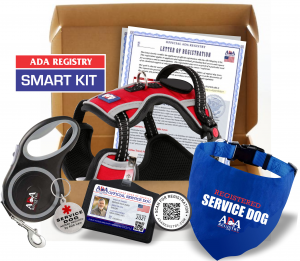
Complete Kits
USA & CANADA Letters
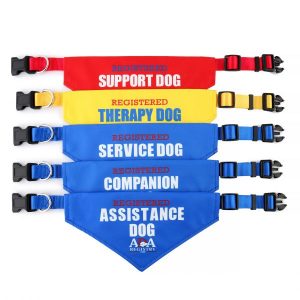
High Quality Bandanas
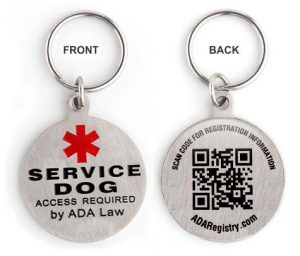
Service Dog Tags
Smart Tags

ESA TAGS