Manchester Terrier as a Therapy Dog
Register Any Breed
Manchester Terrier as a Therapy Dog Overview
The Manchester Terrier, a small yet spirited breed, is gaining recognition for its potential in therapy settings. Known for their keen intelligence, energy, and affectionate nature, these dogs possess qualities that can be finely tuned to meet the demands of therapy work. In this article, we delve deep into their suitability, exploring various facets that contribute to their success as therapy dogs.
Understanding the Therapy Dog Role
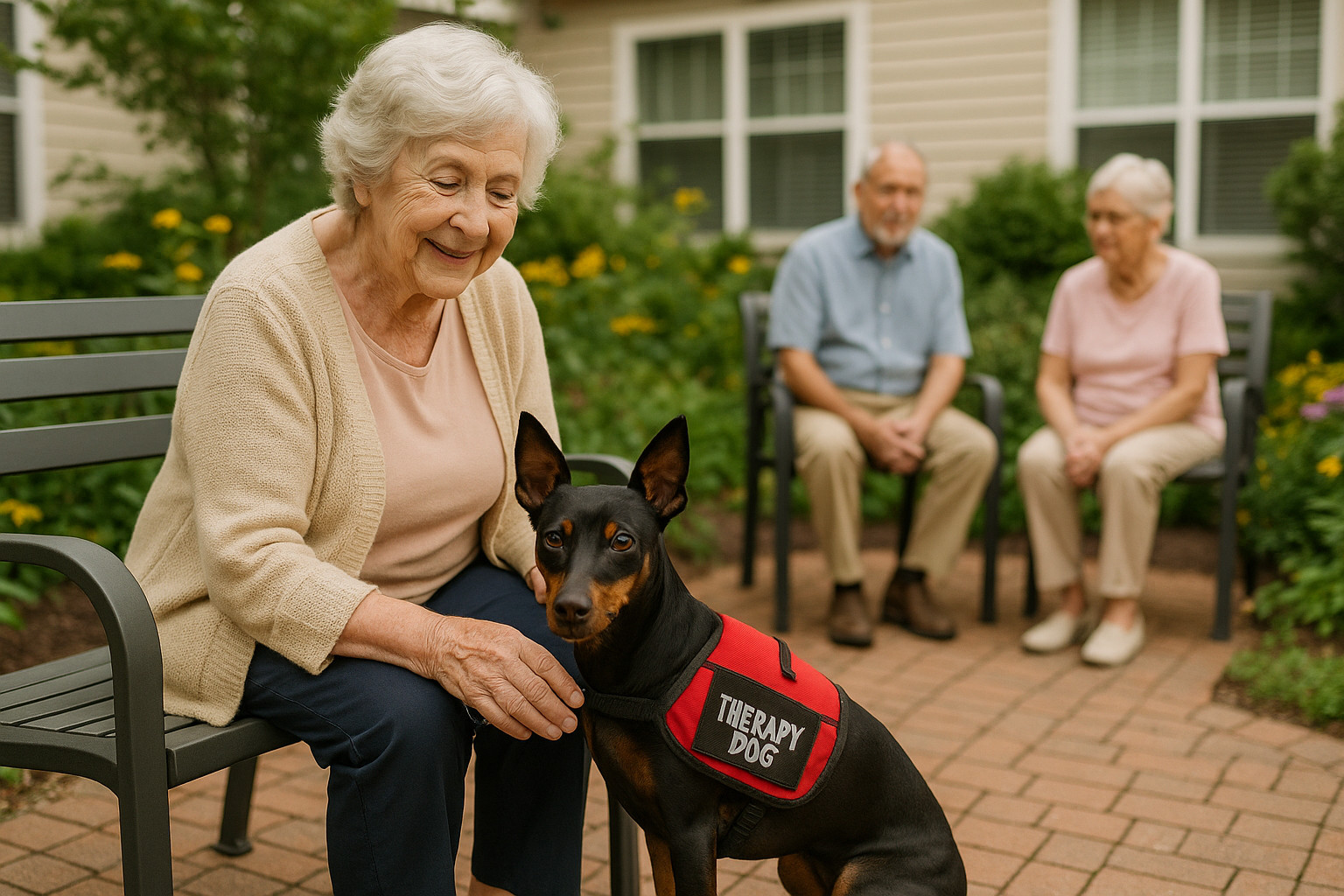
Therapy dogs are specially trained to provide comfort, emotional support, and companionship to individuals in a variety of settings such as hospitals, schools, and care homes. Unlike service dogs, whose roles are task-oriented, therapy dogs offer soothing presence and emotional relief. The Manchester Terrier, with its lively and affectionate disposition, has innate characteristics that can be cultivated for this important role. Their perceptiveness and friendliness enable meaningful interactions, making them a treasured presence in therapeutic environments.
Physical Appearance and Energy Level
With a sleek, agile body and a lively demeanor, the Manchester Terrier is a breed that catches attention. Weighing between 12 to 22 pounds, their size is ideal for therapy settings where larger breeds may be overwhelming. Despite their compact stature, Manchester Terriers have a high energy level, which can be both an asset and a challenge in therapy work. Their energy needs must be managed to prevent restlessness, ensuring they remain calm and composed during therapy sessions.
- Advantages:
- Small size allows easy handling and transportation between therapy environments.
- High energy levels can evoke positive, engaging interactions.
- Challenges:
- Requires regular exercise to maintain composure in calm settings.
Personality and Emotional Intelligence
The Manchester Terrier's personality is a blend of inquisitiveness, alertness, and affection. Their high emotional intelligence allows them to sense human emotions, making them exceptionally responsive in therapy situations. They are naturally curious and enjoy human interaction, traits that enable them to thrive in environments where they provide companionship and support.
- Personality Traits:
- Curious and attentive, fostering engaging sessions.
- Affectionate, ensuring warmth in interactions.
- Emotional Traits:
- Capable of sensing emotional cues, enhancing therapy effectiveness.
- Strong bonds with handlers and participants offer a sense of security.
Environments Where Manchester Terrier Excels
Adaptability is a hallmark of the Manchester Terrier, allowing them to function effectively in diverse settings. They perform particularly well in environments that benefit from their energy and size, such as:
- Hospitals and Rehabilitation Centers:
- Their size makes them less intimidating for those undergoing medical treatment.
- They can easily be placed on beds or engage with individuals in wheelchairs.
- Schools and Educational Programs:
- Energetic and playful demeanor makes them a hit with children.
- Their curious nature helps in engaging young minds in interactive sessions.
- Assisted Living Facilities:
- Seniors appreciate their manageable size and affectionate personality.
- They provide a sense of companionship to residents, enhancing emotional well-being.
Common Therapy Settings
Successful therapy dogs tend to perform well in settings where comfort and interactions are key. The Manchester Terrier's ability to adapt and empathetically respond to different environments makes them ideal candidates for:
- Children’s Hospitals: Offering joy and distraction to young patients.
- Nursing Homes: Bringing companionship and improving the mental health of elderly residents.
- Mental Health Facilities: Providing calm and reassurance to those dealing with anxiety and stress.
Interactions with Different Populations
The Manchester Terrier’s versatile nature makes them adept at connecting with a variety of populations. Their innate sensitivity allows them to cater to the emotional needs of diverse groups:
Register Any Breed
- Children:
- Playful energy facilitates engaging and interactive therapy sessions.
- Their affectionate nature makes them trustworthy companions for children.
- Adults:
- Loyal and attentive, providing emotional support and stability.
- Adaptability aids in establishing rapport with individuals and therapists.
- Elderly:
- Gentle demeanor and size make them ideal for safe interactions.
- Their comforting presence can help alleviate feelings of loneliness.
Health and Wellness Factors
A robust health regime is essential for any therapy dog to ensure consistent and safe interactions. The Manchester Terrier, though generally healthy, requires regular veterinary care to maintain their suitability for therapy work.
- Common Health Considerations:
- Prone to certain genetic issues like von Willebrand’s disease.
- Regular checkups and vaccinations are vital to prevent health concerns.
Lifespan and Common Health Issues
The Manchester Terrier has a lifespan of around 14 to 16 years, offering a long companionship for therapeutic purposes. They are relatively healthy but may encounter specific health issues:
- Genetic Health Problems: Keeping informed about the breed’s potential for genetic conditions ensures proactive health management.
- Lifestyle Adjustments: Ensuring a balanced diet and regular exercise enhances their longevity and vitality.
Maintenance and Care Needs
Proper grooming and care are essential for maintaining the Manchester Terrier’s suitability as a therapy dog. Their short, sleek coat requires minimal grooming, but consistent care is required to ensure their physical and emotional readiness:
- Grooming:
- Regular brushing helps in maintaining a neat appearance.
- Routine ear checks and nail trims prevent discomfort and hygiene issues.
Training and Certification Readiness
Training a Manchester Terrier for therapy involves harnessing their natural intelligence and adaptability. While challenging, their eagerness to learn and strong response to positive reinforcement makes training highly rewarding:
- Training Insights:
- Respond well to structured commands and consistent routines.
- Positive reinforcement techniques enhance learning and bonding.
- Certification Considerations:
- Thorough training and socialization are critical to meeting therapy dog certification standards.
- Engaging in specialized therapy dog training programs ensures preparedness.
Learning Style and Responsiveness
The Manchester Terrier is known for its quick wit and responsiveness. Their sharp learning abilities make them excellent candidates for therapy roles:
- Learning Characteristics:
- Strong motivation to please their handlers.
- Quick adaptation to new commands and environments.
- Responsiveness:
- Requires consistent training sessions to maintain skills.
- Demonstrates a high degree of adaptability in varying stimuli-rich environments.
Handling Social and Emotional Stimuli
In therapy environments, the Manchester Terrier’s sensitivity to social and emotional cues allows them to serve effectively. Their capability to navigate complex emotional landscapes is a significant asset in therapeutic settings:
- Emotional Responsiveness:
- Calm under pressure, helping individuals during critical moments in therapy.
- Ability to intuitively comfort those in distress through non-verbal communication.
Strengths, Limitations, and Ideal Roles for Manchester Terrier
The Manchester Terrier’s dynamic nature poses both opportunities and challenges within therapy settings. Understanding their strengths and limitations helps in placing them in roles where they can flourish:
- Strengths:
- Highly affectionate and loyal, fostering strong therapeutic connections.
- Intelligent and adaptable, allowing for diverse therapy settings.
- Limitations:
- High energy levels may need careful management in tranquil environments.
- Requires regular exercise and mental stimulation to prevent restlessness.
- Ideal Roles:
- Best suited for settings requiring energetic and engaging interactions, such as schools and children’s therapy.
- Effective in environments where their size and empathy can be a calming influence.
Final Thoughts
The Manchester Terrier presents a unique blend of agility, intelligence, and empathy, qualities that can be leveraged to great effect in therapy settings. While their energetic nature requires careful consideration, the potential rewards in emotional support and companionship are profound. With thoughtfully designed training and care, the Manchester Terrier can be transformed into a remarkable therapy dog, capable of impacting lives across a spectrum of environments.
Key Takeaways for the Manchester Terrier as a Therapy Dog
- Best suited for: Energetic and engaging therapy settings like schools and children's hospitals.
- Not ideal for: Settings requiring prolonged periods of inactivity without intervention.
- Temperament highlights: Affectionate, intelligent, and adept at reading human emotions.
- Care and health notes: Regular exercise and preventive healthcare are essential to maintain therapy effectiveness.
- Therapy environments where they shine: Hospitals, educational facilities, and assisted living centers, where their size and empathy are advantageous.


-
Public Access Kits
$149.00 Learn more This product has multiple variants. The options may be chosen on the product page -
Quick Ship Premium Vests
$48.00 – $82.00 Learn more This product has multiple variants. The options may be chosen on the product page -
Service Dog Bandana
$39.95 Learn more This product has multiple variants. The options may be chosen on the product page
Custom ID Cards

Custom ID Cards
All States

Canada Cards

Custom Service Dog Tags

Official Dog Vests

Smart Vests
Official Public Access Kits

Complete Kits
USA & CANADA Letters
High Quality Bandanas
Service Dog Tags

Smart Tags

ESA TAGS