Mastiff as an Emotional Support Dog
Register Any Breed
Understanding the Emotional Support Role
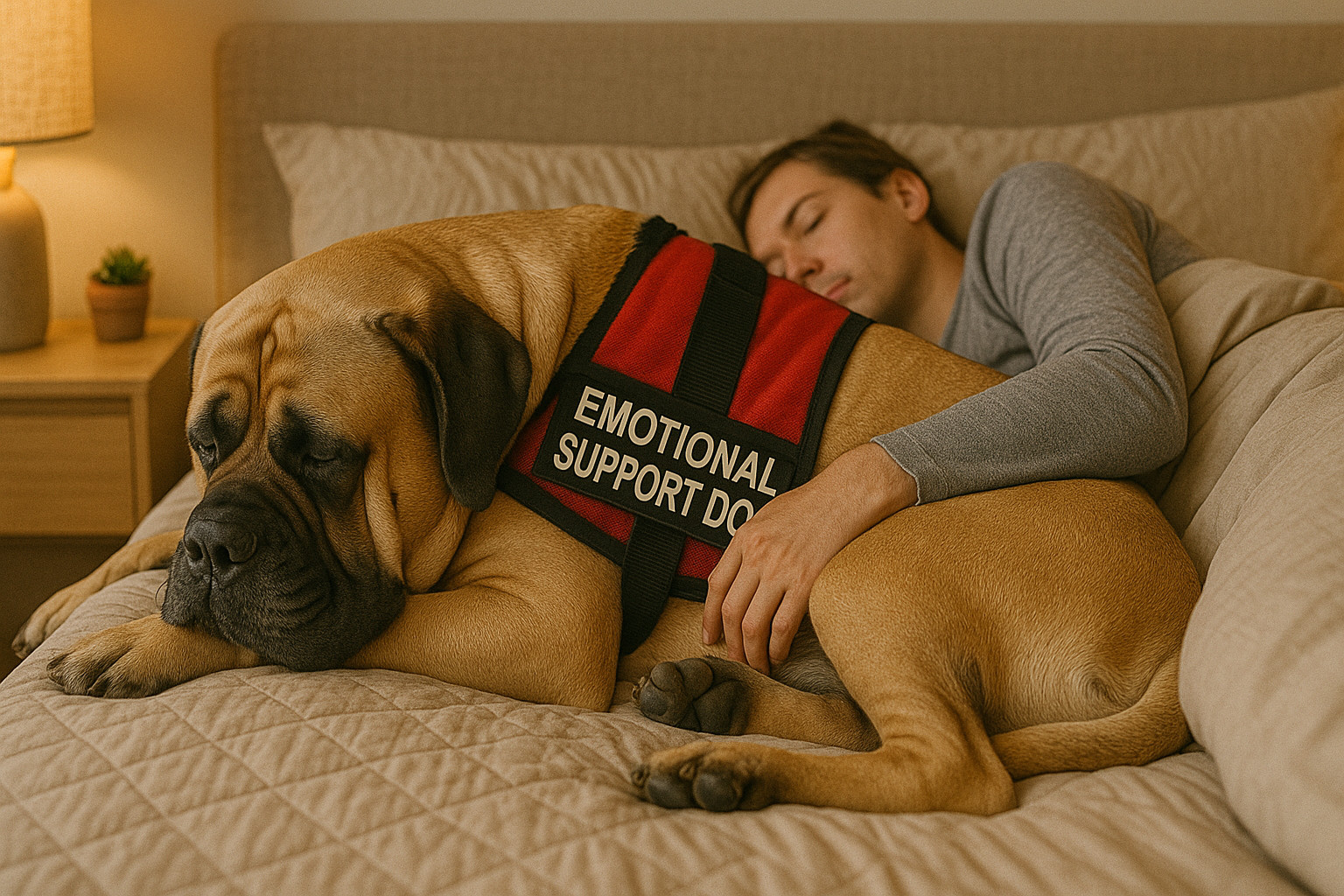
Emotional support animals (ESAs) are a vital part of therapeutic strategies for individuals with emotional or psychological challenges. Unlike service dogs, ESAs are not trained to perform specific tasks. Instead, their primary role is to provide comfort and companionship. Among the many breeds considered suitable for this role, the Mastiff stands out due to its gentle demeanor, loyalty, and innate sensitivity to human emotions.
Mastiff Overview
Mastiffs, known for their imposing size and gentle nature, have historically been depicted as protectors. However, beneath their stately appearance lies a heart full of compassion. Originating from ancient times, these noble dogs were initially bred for guarding purposes. Today, they are cherished not just for their physical presence but for their profound emotional connections with humans. Their ability to sense and respond to human emotions makes them excellent candidates for roles as emotional support animals.
Temperament and Emotional Connection
The Mastiff’s temperament is a harmonious blend of calmness and empathy. These dogs have an inherent ability to connect with human emotions, often displaying remarkable patience and understanding. They are known for their:
- Calming Effect: The mere presence of a Mastiff can help reduce anxiety. Their steady breathing and gentle nature create a calming ambiance, which can be incredibly soothing during stressful situations.
- Non-judgmental Companion: Mastiffs provide unwavering support without judgment, making them ideal companions for individuals processing a range of emotions.
Their capacity to empathize doesn’t just stem from their attention to human cues but also from centuries of cohabitation with humans, which has honed their ability to provide comfort during troubled times.
Adaptability and Daily Behavior
Mastiffs excel in adapting to various environments, provided their needs for companionship and moderate physical activity are met. While their size might suggest a necessity for large spaces, many Mastiffs thrive in apartment settings, as long as they receive regular walks and mental stimulation. Daily life with a Mastiff includes:
- Consistency in Routine: They tend to flourish with established routines, which can provide stability for both the dog and its owner.
- Moderate Energy Levels: Unlike high-energy breeds, Mastiffs are content with shorter play sessions, making them suitable for individuals who may not have the capacity for extensive exercise routines.
- Gentle Presence: Their daily demeanor is calm and unobtrusive, providing a consistent source of reassurance.
Situations Where Mastiff Provides Strong Support
Mastiffs are ideally suited for various scenarios where emotional support is needed. They excel in offering companionship and emotional stability in:
- Loneliness and Isolation: Their companionship can significantly ease feelings of loneliness, providing a constant presence that reassures.
- Stressful Life Changes: During transitions like moving homes, changing jobs, or dealing with loss, a Mastiff’s stability can help anchor their owner.
- Emotional Crises: In moments of emotional distress, their presence can provide immediate comfort and a distraction from overwhelming emotions.
Ideal Living Environments
While Mastiffs can adapt to many living situations, certain environments maximize their effectiveness as emotional support companions:
Register Any Breed
- Family Homes: Mastiffs thrive in family settings where they can bond with multiple people.
- Assisted Living Facilities: Their gentle demeanor and patience make them suitable for therapeutic roles in assisted living.
- Apartments: With proper exercise, Mastiffs can comfortably live in apartments, offering companionship without the need for excessive outdoor space.
Bonds with Different Types of People
Mastiffs form strong bonds with various individuals, highlighted by their ability to:
- Connect with Families: They are excellent with children and other pets, providing a watchful, affectionate eye over more vulnerable family members.
- Support the Elderly: Their calm nature and low maintenance needs make them ideal companions for the elderly.
- Aid Individuals with Anxiety and Depression: Their presence has been noted to provide comfort and reduce symptoms of anxiety and depression through their empathetic interactions.
Health, Care, and Wellbeing
Caring for a Mastiff involves understanding its health and well-being needs to ensure it remains a reliable emotional support partner. Maintaining their health includes:
- Balanced Diet: Catering to their dietary needs helps maintain their energy levels and overall health.
- Regular Veterinary Check-ups: To prevent common health issues such as hip dysplasia or heart conditions, consistent veterinary care is crucial.
Common Health Considerations
Mastiffs, like other large breeds, are predisposed to specific health conditions:
- Hip and Elbow Dysplasia: Regular examinations and joint supplements can help manage and mitigate discomfort from these conditions.
- Bloat: Preventive measures like smaller, more frequent meals can reduce the risk of this life-threatening condition.
- Heart Conditions: Due to their size, cardiovascular health should be monitored regularly with routine vet visits.
Grooming, Comfort, and Maintenance Needs
Mastiffs do not require excessive grooming, which can be a benefit for those who may find extensive dog care burdensome:
- Minimal Grooming Needs: Regular brushing can manage shedding and keep their coat healthy.
- Skin Checks: Due to their loose skin, regular checks for irritations or infections are necessary.
- Comfortable Living Space: Providing a comfortable, soft sleeping area is important for their joint health and overall comfort.
Preparing a Mastiff for Emotional Support Work
For a Mastiff to serve effectively as an emotional support animal, proper preparation and training are essential:
- Basic Obedience Training: Ensures they are manageable in various settings and responsive to commands.
- Socialization: Exposure to different environments and people helps them adapt to new situations gracefully.
- Reinforcement of Calm Behaviors: Encouraging peace and quiet ensures they can provide comfort without overwhelming their owner.
Socialization and Responsiveness
Socialization is pivotal in preparing Mastiffs for their emotional support role:
- Exposure to Diverse Environments: Visiting parks, stores, and friends’ homes helps them adapt to changing environments.
- Responsive Training Exercises: Helps them remain attentive and react kindly to emotional cues from their owner.
Managing Stress and Emotional Cues
Mastiffs possess a unique sensitivity to their owner’s emotional states:
- Reading Emotional Cues: Their ability to pick up on and respond to emotional changes helps them provide tailored support.
- Calming Presence: Providing consistent grounding for their owner, especially during periods of heightened stress or anxiety.
Strengths, Challenges, and Ideal Homes for Mastiff
Mastiffs bring a wealth of strengths to the role of emotional support, but certain challenges may arise:
- Strengths: Their calm and empathetic nature makes them intuitive companions.
- Challenges: Their size can be intimidating or impractical in certain living spaces.
- Ideal Homes: Families, elderly individuals, and small living spaces with access to outdoor walks.
Final Thoughts
The Mastiff is a powerful emotional support companion, offering deep emotional connections and steadfast comfort. Their unique blend of size, loyalty, and empathy creates a presence that isn’t just comforting—it’s transformative for those who need emotional support.
Key Takeaways for the Mastiff as an Emotional Support Dog
- Best suited for: Families, the elderly, small to medium living spaces with access to outdoor areas.
- Not ideal for: Individuals unable to provide basic exercise or those with constraints on space.
- Emotional traits: Empathetic, calming, and highly intuitive to emotional cues.
- Care and health notes: Regular check-ups for joint health, moderate exercise, and minimal grooming required.
- Environments where they provide the most comfort: Family homes, assisted living, quiet apartments with routine.


-
Public Access Kits
$149.00 Learn more This product has multiple variants. The options may be chosen on the product page -
Quick Ship Premium Vests
$48.00 – $82.00 Learn more This product has multiple variants. The options may be chosen on the product page -
Service Dog Bandana
$39.95 Learn more This product has multiple variants. The options may be chosen on the product page
Custom ID Cards

Custom ID Cards
All States

Canada Cards

Custom Service Dog Tags
Official Dog Vests

Smart Vests
Official Public Access Kits
Complete Kits
USA & CANADA Letters
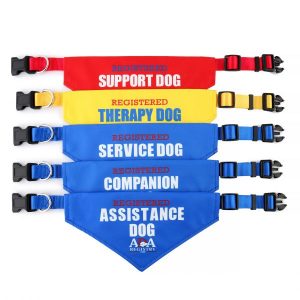
High Quality Bandanas
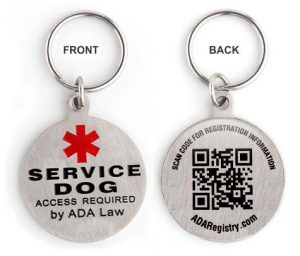
Service Dog Tags
Smart Tags

ESA TAGS