Miniature Pinscher as a Service Dog
Register Any Breed
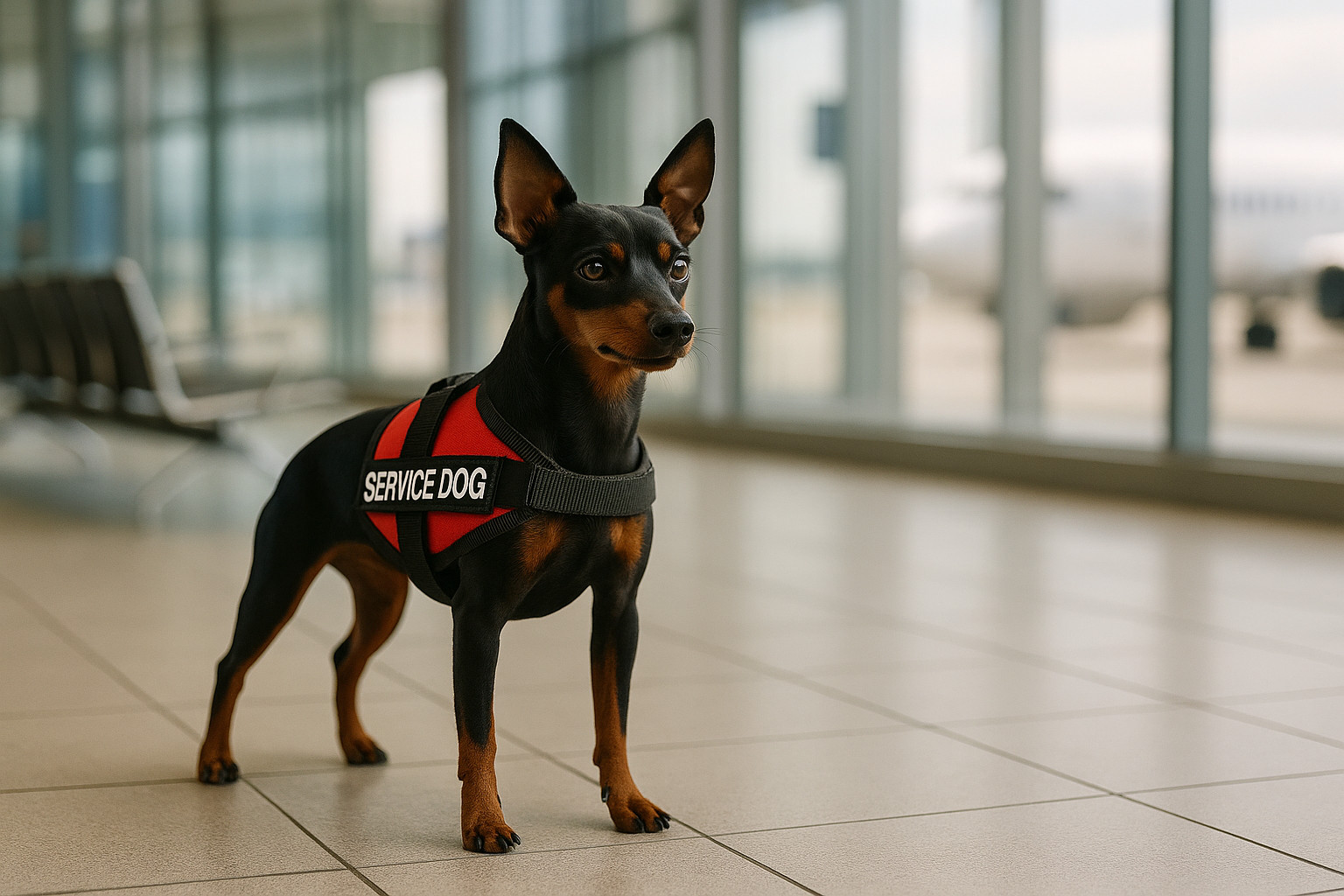
The choice of a service dog breed is crucial for ensuring the success and efficiency of the partnership between the dog and its handler. While larger breeds often dominate the conversation, small breeds like the Miniature Pinscher are increasingly considered for specific service roles. Though traditionally seen as a companion pet, the Miniature Pinscher possesses a unique blend of characteristics that can make it effective for certain service tasks when the match between dog and job is precise. This article delves into the various aspects of the Miniature Pinscher as a service dog, analyzing its physical traits, temperament, potential service roles, and health aspects to provide a comprehensive understanding.
Miniature Pinscher Overview
Physical Characteristics
The Miniature Pinscher is a small yet sturdy breed. Generally weighing between 8-12 pounds and standing around 10-12.5 inches tall at the shoulder, their compact size offers both advantages and limitations in service work.
- Advantages:
- Portability: Their size makes them easily transportable, which is beneficial for handlers who require a service dog that can accompany them in various settings without logistical issues associated with larger breeds.
- Space Efficiency: Miniature Pinschers do not require much space, making them suitable for handlers in smaller living environments like apartments or dormitories.
- Limitations:
- Strength: They lack the physical strength necessary for tasks that require pulling or significant physical support, such as mobility assistance.
- Reach: Their small stature limits their ability to perform tasks that require height.
Temperament and Attitude
Miniature Pinschers are known for their spirited personalities and lively demeanor, traits that can simultaneously serve as strengths and challenges in service work.
- Positive Traits:
- Alertness: Naturally vigilant, they can excel in tasks that demand attentiveness, such as alerting handlers to changes in their environment.
- Confidence: Their self-assured nature helps them navigate public spaces without being intimidated by the unfamiliar.
- Potential Challenges:
- Stubbornness: This breed can exhibit a strong-willed attitude, which may hinder training efforts if not correctly managed from an early age.
- Energy Levels: Their high energy needs can be demanding for handlers who may not be able to fulfill such requirements daily, potentially leading to behavioral issues if not properly exercised.
Types of Service Work
While a Miniature Pinscher isn’t suited for all types of service work, they can excel in specific roles that align with their capabilities.
- Medical Alert: Their alert and attentive character makes them ideal for medical alert tasks such as alerting to seizures, low blood sugar, or other precursors to medical emergencies.
- Emotional Support: Their size and affectionate nature make them excellent companions for individuals requiring emotional support or those dealing with anxiety.
- Psychiatric Service: They can be trained to provide calming interventions in psychiatric scenarios, reminding their handlers to take medication, or intervening during anxiety attacks.
Health Considerations
Understanding the health considerations associated with the Miniature Pinscher is vital for their role as service dogs.
- Common Health Issues:
- Patellar Luxation: A common condition affecting this breed, which can impact their mobility and ability to perform consistently.
- Hip Dysplasia: Though less common, it can occur and will affect their physical performance capacity.
- Dental Issues: Routine dental care is essential due to a predisposition to dental problems, which can affect their overall health.
Regular vet check-ups and a well-planned health regimen can ensure that these dogs remain healthy and capable of performing their service roles.
Training and Suitability
The Miniature Pinscher's intelligence and alertness can be beneficial in a training context, though it may be counterbalanced by their independent streak.
Register Any Breed
- Trainability:
- They are intelligent and can learn commands quickly; however, consistency and patience are crucial, given their independent nature.
- Training should be reward-based, focusing on reinforcing positive behaviors without harsh corrections.
- Suitability for Handlers:
- Best suited to individuals who require companionship and alertness rather than physical service tasks.
- Ideal for handlers who can manage high-energy dogs and maintain a structured training regimen.
Summary of Miniature Pinscher
In conclusion, the Miniature Pinscher can serve effectively as a service dog, given aligned tasks that match their strengths. Here's a summary of their ideal roles and considerations:
- Strengths:
- Alert and attentive
- Portable and suitable for small spaces
- Excellent for medical alert and emotional support roles
- Weaknesses:
- Not suitable for physical assistance tasks
- High energy and independent nature can pose training challenges
- Ideal Service Roles:
- Medical alert tasks
- Emotional support
- Psychiatric assistance
Ultimately, the decision to choose a Miniature Pinscher as a service breed should be based on the specific needs of the handler and the ability to accommodate the breed’s characteristics and health considerations. With the right fit, these dogs can offer immense support and companionship to their handlers.


-
Public Access Kits
$149.00 Learn more This product has multiple variants. The options may be chosen on the product page -
Quick Ship Premium Vests
$48.00 – $82.00 Learn more This product has multiple variants. The options may be chosen on the product page -
Service Dog Bandana
$39.95 Learn more This product has multiple variants. The options may be chosen on the product page
Custom ID Cards

Custom ID Cards
All States

Canada Cards
Custom Service Dog Tags
Official Dog Vests
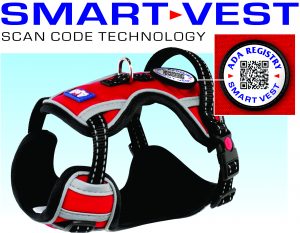
Smart Vests
Official Public Access Kits
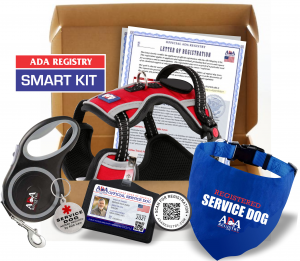
Complete Kits
USA & CANADA Letters
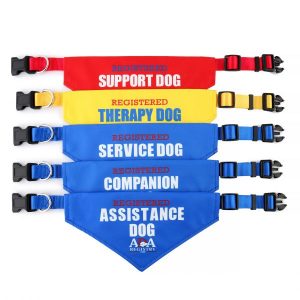
High Quality Bandanas
Service Dog Tags
Smart Tags

ESA TAGS