Miniature Pinscher as a Therapy Dog
Register Any Breed
Miniature Pinscher as a Therapy Dog Overview
The world of therapy dogs is diverse and multi-faceted, with each breed offering unique qualities that can provide comfort, joy, and emotional support to individuals in need. The Miniature Pinscher, often affectionately called the "Min Pin," is one such breed that has been gaining attention for its suitability as a therapy dog. Known for its spirited personality and compact size, the Miniature Pinscher brings a dynamic presence to therapy environments.
Understanding the Therapy Dog Role
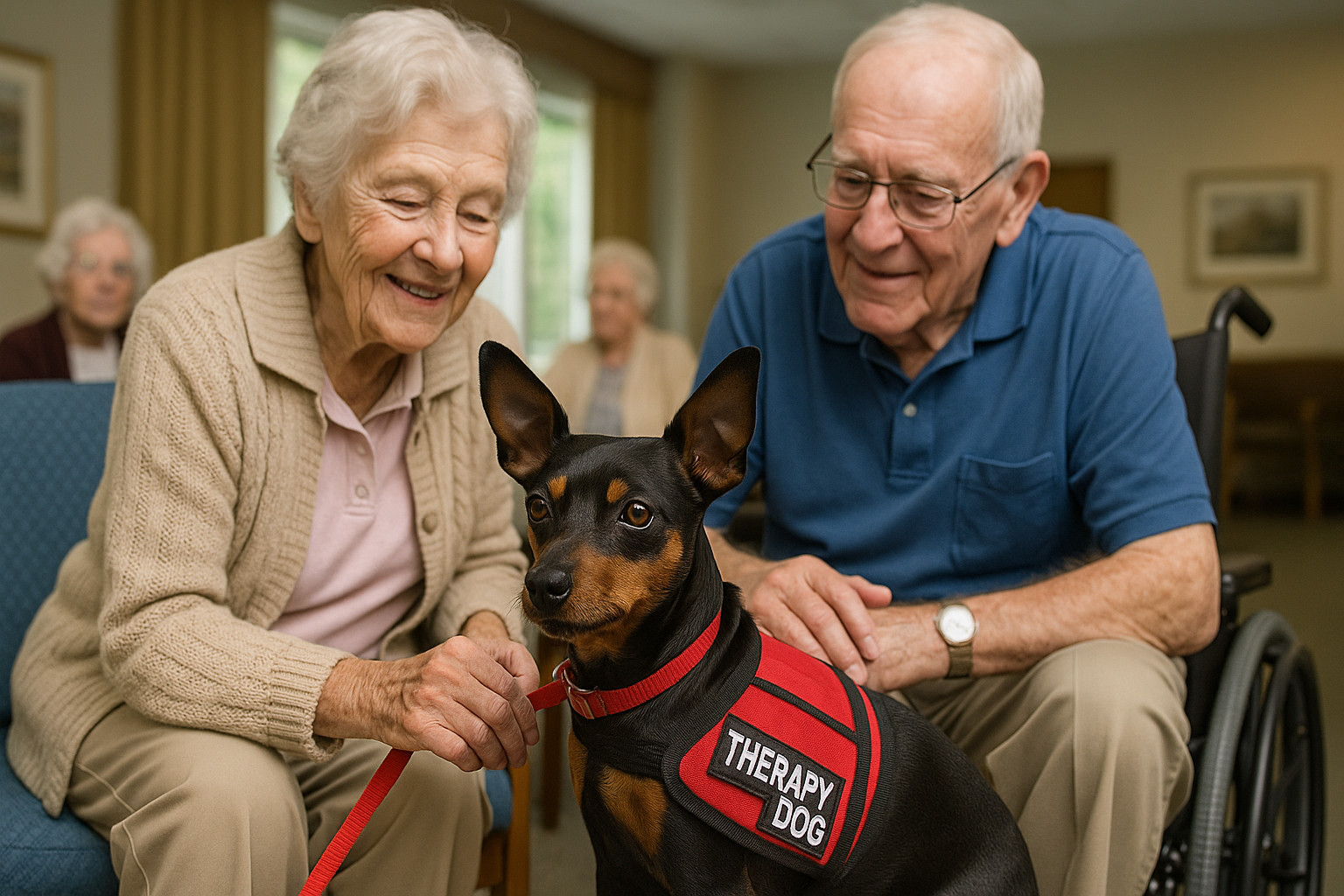
Therapy dogs are specifically trained to provide emotional support and companionship in various settings, including hospitals, schools, and nursing homes. Unlike service dogs, they do not perform tasks but rather enrich lives through their unconditional love and affectionate nature. The Miniature Pinscher's inherent social nature makes it a potential candidate for therapy work. Their eagerness to engage with people and adapt to diverse environments underscores their capability in this role.
Physical Appearance and Energy Level
The Miniature Pinscher is characterized by its sleek, muscular build and high energy levels. Standing at about 10 to 12.5 inches tall and weighing between 8 to 12 pounds, their small stature allows for easy maneuverability in tight spaces, such as hospital rooms and classrooms. This breed is highly energetic and enjoys regular play and exercise, which helps maintain their physical health, allowing them to be active and engaged therapy dogs.
Personality and Emotional Intelligence
Miniature Pinschers are known for their distinctively confident and fearless demeanor. Their curiosity and alertness make them excellent companions for therapy work, as they naturally seek interaction and engagement. This breed exhibits a high level of emotional intelligence, allowing them to sense human emotions and respond appropriately. Their playful yet sensitive nature can bring joy and comfort to patients and students alike, making them a beloved fixture in therapy environments.
Environments Where Miniature Pinscher Excels
- Hospitals and Rehabilitation Centers: Their small size and gentle demeanor make them ideal for hospital visits, where they can snuggle in bed with patients or interact easily with visitors.
- Schools: Known for their playful energy, Miniature Pinschers can provide an emotional boost to students, especially in special education settings where their small size is less intimidating.
- Nursing Homes: Their ability to form connections and bring cheer can significantly enhance the emotional well-being of elderly residents.
Common Therapy Settings
In therapy settings, the Miniature Pinscher's affinity for human interaction is highlighted. Their small size allows them to comfortably occupy lap space or sit beside individuals needing comfort. The breed's adaptability to new environments ensures they remain calm and focused amidst the hustle and bustle of therapy sessions. Moreover, their inquisitive nature encourages meaningful interaction, fostering a sense of companionship and warmth in all their engagements.
Interactions with Different Populations
Miniature Pinschers demonstrate versatility in their interactions with various populations. They can provide sensory stimulation for children with developmental challenges and be an affectionate presence for those undergoing physical recuperation. However, their spirited nature may require careful handling around more vulnerable individuals, such as those with mobility issues, to avoid overwhelming them with exuberance.
Health and Wellness Factors
Maintaining the health and wellness of therapy dogs is paramount to their effectiveness. Miniature Pinschers are generally healthy, with a lifespan of 12 to 16 years. Regular veterinary check-ups and a balanced diet are essential to ensure they remain in peak condition. Their short, smooth coat requires minimal grooming, though regular brushing helps maintain skin health and a glossy appearance. Ensuring they are free of parasites and diseases is crucial for safe and effective therapy work.
Register Any Breed
Lifespan and Common Health Issues
While generally sturdy, Miniature Pinschers are prone to specific health issues such as patellar luxation, progressive retinal atrophy, and heart defects. Understanding these potential issues allows trainers and caregivers to proactively manage their health, ensuring they remain effective in their therapy roles. Regular health screenings and prompt medical attention for any arising issues can mitigate health complications, allowing them to continue their service in providing comfort and support to those in need.
Maintenance and Care Needs
Miniature Pinschers require consistent care to ensure their utmost welfare. Routine grooming involves regular brushing, nail trimming, and dental care. Their energetic nature means regular exercise is necessary to expend energy positively and maintain physical health. Due to their sensitivity to temperature extremes, appropriate measures should be taken to protect them in cold or overly warm environments, ensuring their comfort during therapy sessions.
Training and Certification Readiness
Training Miniature Pinschers for therapy work involves harnessing their intelligence and inherent affinity for human contact. Positive reinforcement techniques work well with this breed, encouraging desirable behaviors and building trust and confidence. Certification programs for therapy dogs require specific training regimens that focus on desensitizing the dog to unfamiliar stimuli and fostering a calm, controlled demeanor. The Miniature Pinscher's quick learning ability facilitates a smooth training process, often resulting in a rewarding and enriching experience for both the dog and the handler.
Learning Style and Responsiveness
Miniature Pinschers are highly trainable, demonstrating quick learning and a readiness to please. This eagerness must be channeled through structured training that emphasizes patience and consistency. Their responsiveness to human emotions is a trait that amplifies their effectiveness in therapeutic roles, allowing them to form genuine connections with those they aim to help. Employing varied and engaging training techniques will keep them motivated and sharp, ensuring they remain valuable assets in therapy settings.
Handling Social and Emotional Stimuli
Miniature Pinschers exhibit a keen sensitivity to social and emotional stimuli, making them adept at reading human expressions and moods. In therapy environments, this ability allows them to respond appropriately, providing affection and companionship when needed. Care must be taken to manage their interactions, ensuring they do not become overstimulated or reactively vocal, which can detract from their calming presence. With appropriate guidance, their natural empathy shines, reinforcing their role as reliable therapy partners.
Strengths, Limitations, and Ideal Roles for Miniature Pinscher
- Strengths: Affectionate, intelligent, adaptable to various settings
- Limitations: Overexuberance may need to be regulated in calm environments
- Ideal Roles: Partner in settings requiring small, manageable companions capable of bringing emotional comfort and joy
Their energetic nature, curiosity, and intelligence make the Miniature Pinscher ideal for roles that require interaction and cognitive engagement. While they excel in small spaces and offer comfort with their presence, understanding their boundaries and limitations ensures they are placed in roles matching their disposition.
Final Thoughts
The Miniature Pinscher, with its vivacious energy and empathetic nature, offers a unique and beneficial presence in therapy scenarios. While requiring thoughtful training and care, the Miniature Pinscher’s potential to enhance emotional well-being in diverse therapeutic environments is immense. Through structured training and careful management, they can become reliable companions, offering much-needed comfort and joy to those they encounter.
Key Takeaways for the Miniature Pinscher as a Therapy Dog
- Best suited for: Hospitals, schools, and nursing homes where their small size and affection can bring comfort.
- Not ideal for: Areas requiring very calm, low-energy dogs, unless carefully managed.
- Temperament highlights: Confident, affectionate, responsive to emotions.
- Care and health notes: Regular health checks and simple grooming suffice to keep them therapy-ready.
- Therapy environments where they shine: Settings that value initiative and interaction, such as pediatric and geriatric care facilities.
Optimizing this content for WordPress Yoast ensures greater visibility and accessibility for those eager to understand the potential of the Miniature Pinscher in therapy settings. By focusing on SEO-friendly keywords and readability, this guide provides comprehensive insights for trainers and pet owners alike.


-
Public Access Kits
$149.00 Learn more This product has multiple variants. The options may be chosen on the product page -
Quick Ship Premium Vests
$48.00 – $82.00 Learn more This product has multiple variants. The options may be chosen on the product page -
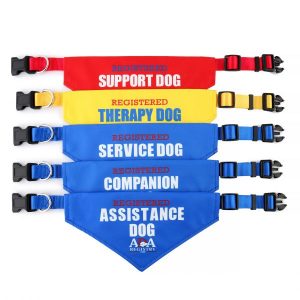
Service Dog Bandana
$39.95 Learn more This product has multiple variants. The options may be chosen on the product page
Custom ID Cards

Custom ID Cards
All States

Canada Cards

Custom Service Dog Tags
Official Dog Vests

Smart Vests
Official Public Access Kits
Complete Kits
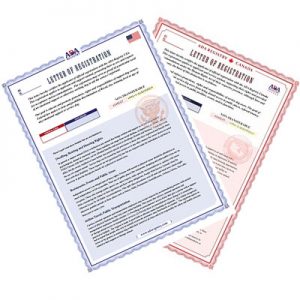
USA & CANADA Letters
High Quality Bandanas
Service Dog Tags
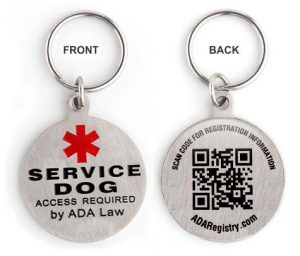
Smart Tags

ESA TAGS