Miniature Pinscher as an Emotional Support Dog
Register Any Breed
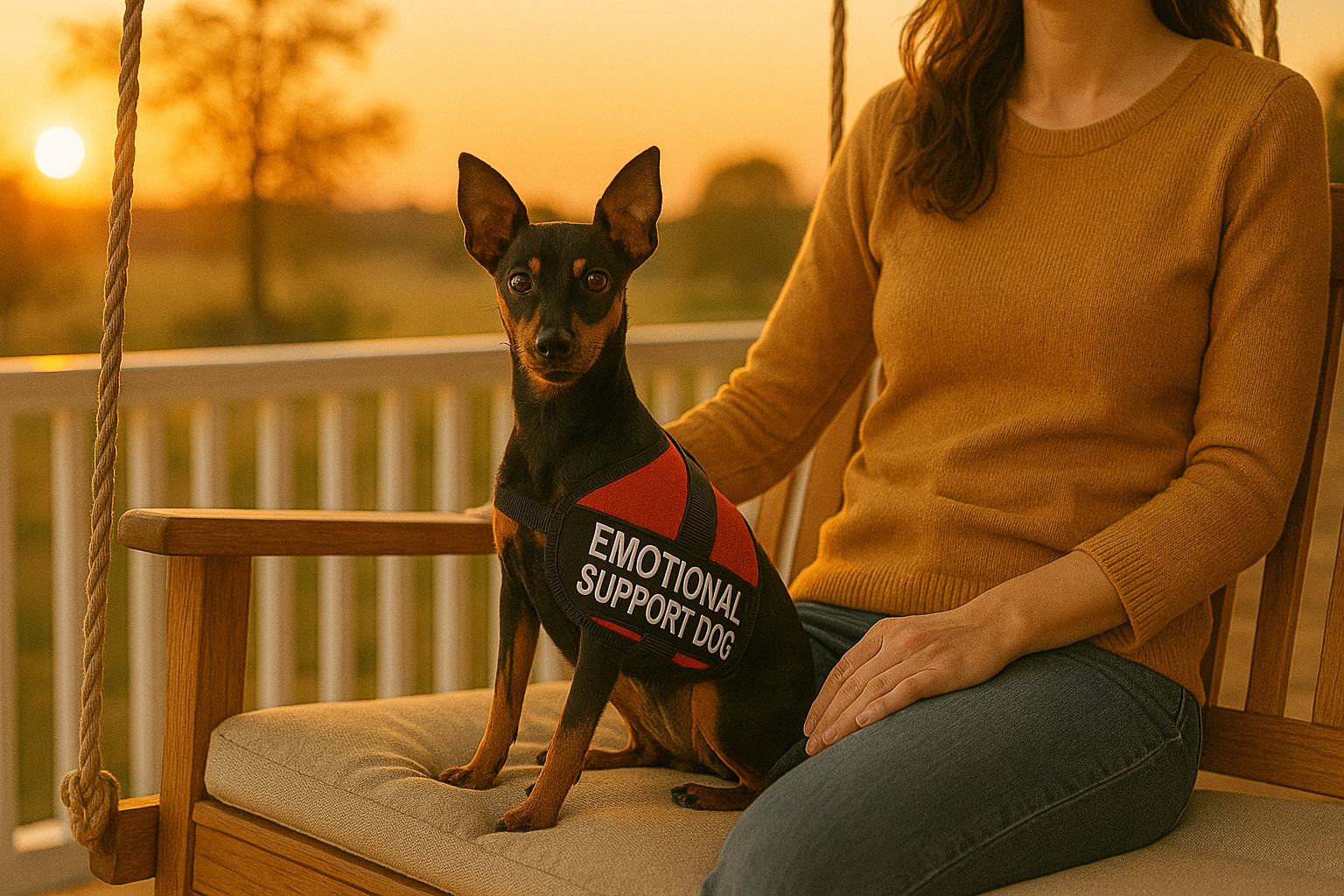
Emotional support animals (ESAs) play a vital role in enhancing the well-being of individuals facing mental health challenges. Among the diverse range of breeds suitable for this role, the Miniature Pinscher stands out. Known for their spirited personalities and affectionate nature, Miniature Pinschers are great companions that can offer emotional support through companionship, empathy, and loyalty.
Understanding the Emotional Support Role
An emotional support animal offers comfort simply through their presence. Unlike service dogs, ESAs do not require specialized training to perform tasks. However, their ability to provide emotional stability, reduce anxiety, and combat loneliness makes them indispensable to many. Their role is primarily therapeutic, enhancing their handlers' emotional well-being by being attentive and affectionate companions.
Miniature Pinscher Overview
Miniature Pinschers, affectionately referred to as "Min Pins," are small dogs with a big personality. They are often described as fearless, animated, and alert, resembling a much larger dog trapped in a tiny body. Standing about 10-12.5 inches tall and weighing between 8-10 pounds, their size makes them ideal for individuals needing a manageable pet for an apartment or small living space.
Temperament and Emotional Connection
The Miniature Pinscher's temperament is marked by confidence and a willingness to please. These dogs are energetic, affectionate, and thrive on human interaction. Their inclination to form strong bonds with their handlers makes them particularly adept at reading emotional cues:
- Empathy and Sensitivity: Min Pins are naturally attuned to their handler's moods, often providing comfort by nuzzling, staying close, or playfully distracting them.
- Emotional Stability: Known for their loyalty, they offer a constant source of companionship, which is vital for mitigating feelings of loneliness or anxiety.
- Playful Nature: Their energetic disposition can encourage their handlers to engage in physical activities, promoting a healthier lifestyle and improved mental health.
Adaptability and Daily Behavior
Despite their consistent energy levels, Miniature Pinschers can adapt well to various living situations. Their small stature makes them suitable for apartment life, yet they also enjoy outdoor activities, benefiting from a home with a secure garden.
- Adaptability to Daily Routines: These dogs adjust well to new environments and can be integrated into various lifestyles, whether their handler is more sedentary or prefers an active routine.
- Affectionate Bonds: Min Pins are known for being velcro dogs, which means they prefer to be near their owners as much as possible. This attachment can provide crucial emotional support.
Situations Where Miniature Pinscher Provides Strong Support
Miniature Pinschers excel in environments where their owners seek interaction, companionship, and emotional clarity. They are capable of setting a positive tone in a household and can respond reassuringly to distress signals:
- Encouraging Social Interaction: Their vivacious personality encourages owners to engage with them and others, reducing isolation.
- Helping With Depression and Anxiety: Their close companionship can mitigate symptoms of depression or anxiety, providing consistent emotional support.
- Routines and Stability: Having a routine that includes feeding, grooming, and regular walks can promote a healthier lifestyle for those otherwise struggling to find motivation.
Ideal Living Environments
Due to their size and dynamic personality, Miniature Pinschers thrive in various environments:
Register Any Breed
- Apartments: Perfect for small living spaces as they do not require large areas to run, though regular outdoor exercise is needed.
- Family Homes: Integrate well into families where they can receive plenty of attention and affection from multiple household members.
- Assisted Living: Their size and ease of care make them suitable for older adults needing a loyal and low-maintenance companion.
Bonds with Different Types of People
The Miniature Pinscher forms deep bonds with their owners and can adapt to different age groups and personality types:
- Singles: Provide consistent companionship and a sense of security, reducing feelings of loneliness.
- Families: The Min Pin’s playful nature makes them a good fit for homes with children, provided interactions are supervised to ensure gentle handling.
- Elderly: Their manageable size and devotion make them a comforting presence and source of joy for seniors.
Health, Care, and Wellbeing
Ensuring the Miniature Pinscher's health is crucial for their emotional support role. Attention to their physical and mental well-being ensures they can always provide optimal support to their owners.
Common Health Considerations
Despite being a robust breed, some health concerns may affect their ability to provide comfort:
- Patellar Luxation: Regular vet check-ups can prevent or manage this common knee problem.
- Dental Disease: Routine cleaning is necessary to maintain oral health.
- Weight Management: Proper diet and exercise are essential to prevent obesity, which can lead to other health issues.
Grooming, Comfort, and Maintenance Needs
Miniature Pinschers require regular grooming and maintenance to keep them comfortable:
- Coat Care: A short, smooth coat necessitates weekly brushing to remove loose hair and skin oils, providing comfort without too much shedding.
- Nail Trimming and Ear Cleaning: Regular grooming sessions build trust and ensure that the dog remains comfortable and ready to offer support.
Preparing a Miniature Pinscher for Emotional Support Work
Effective preparation of a Miniature Pinscher as an emotional support animal involves socialization and training to ensure responsiveness and manage stress:
Socialization and Responsiveness
- Exposure to Various Environments: Gradually introducing them to different settings and social situations enhances adaptability.
- Basic Obedience Training: Knowing fundamental commands boosts their responsiveness and reinforces their role as a comforting companion.
Managing Stress and Emotional Cues
Understanding and managing their own stress responses and emotional cues are critical:
- Recognizing Stress Triggers: Observing signs of anxiety, such as excessive barking or restlessness, allows owners to address them promptly.
- Consistent Routines: Establishing and maintaining routines provide stability and reassurance to the Min Pin, enabling them to remain focused on their emotional support role.
Strengths, Challenges, and Ideal Homes for Miniature Pinscher
While Miniature Pinschers are excellent emotional support animals, they come with unique attributes and considerations:
- Strengths: Their loyalty, energy, and size make them adaptable companions capable of providing continuous emotional support.
- Challenges: High energy levels and need for attention might demand more rigorous activity regimens from their owners.
- Ideal Homes: Best suited for devoted owners who enjoy interactive and dynamic living conditions.
Final Thoughts
Choosing a Miniature Pinscher as an emotional support dog can be rewarding, thanks to their spirited nature and willingness to bond closely with their handlers. Their small size and adaptability further enhance their suitability as a comforting presence, whether in apartments, family homes, or with the elderly. Understanding their needs, from health to socialization, ensures they can provide the highest level of emotional support.
Key Takeaways for the Miniature Pinscher as an Emotional Support Dog
- Best suited for: Singles, active families, seniors in assisted living
- Not ideal for: Individuals seeking a low-energy breed or those unwilling to invest in regular interaction and grooming
- Emotional traits: Loyal, perceptive, playful, affectionate
- Care and health notes: Regular grooming, dental care, and weight management needed
- Environments where they provide the most comfort: Apartments, family homes, settings needing an engaging presence to reduce isolation


-
Public Access Kits
$149.00 Learn more This product has multiple variants. The options may be chosen on the product page -
Quick Ship Premium Vests
$48.00 – $82.00 Learn more This product has multiple variants. The options may be chosen on the product page -
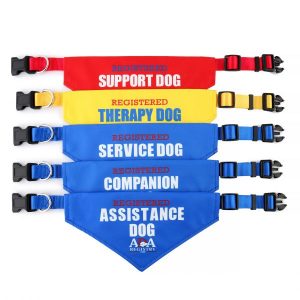
Service Dog Bandana
$39.95 Learn more This product has multiple variants. The options may be chosen on the product page
Custom ID Cards
Custom ID Cards
All States
Canada Cards
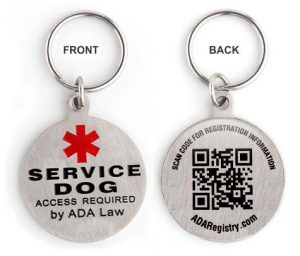
Custom Service Dog Tags
Official Dog Vests
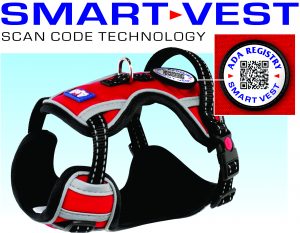
Smart Vests
Official Public Access Kits
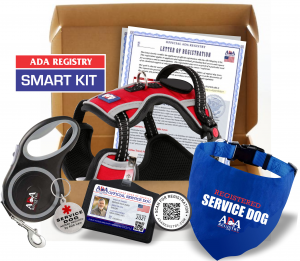
Complete Kits
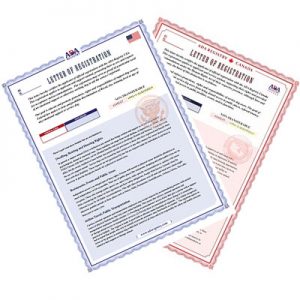
USA & CANADA Letters
High Quality Bandanas
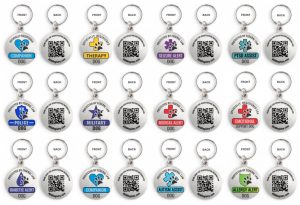
Service Dog Tags
Smart Tags
ESA TAGS