Miniature Schnauzer as a Therapy Dog
Register Any Breed
“`markdown
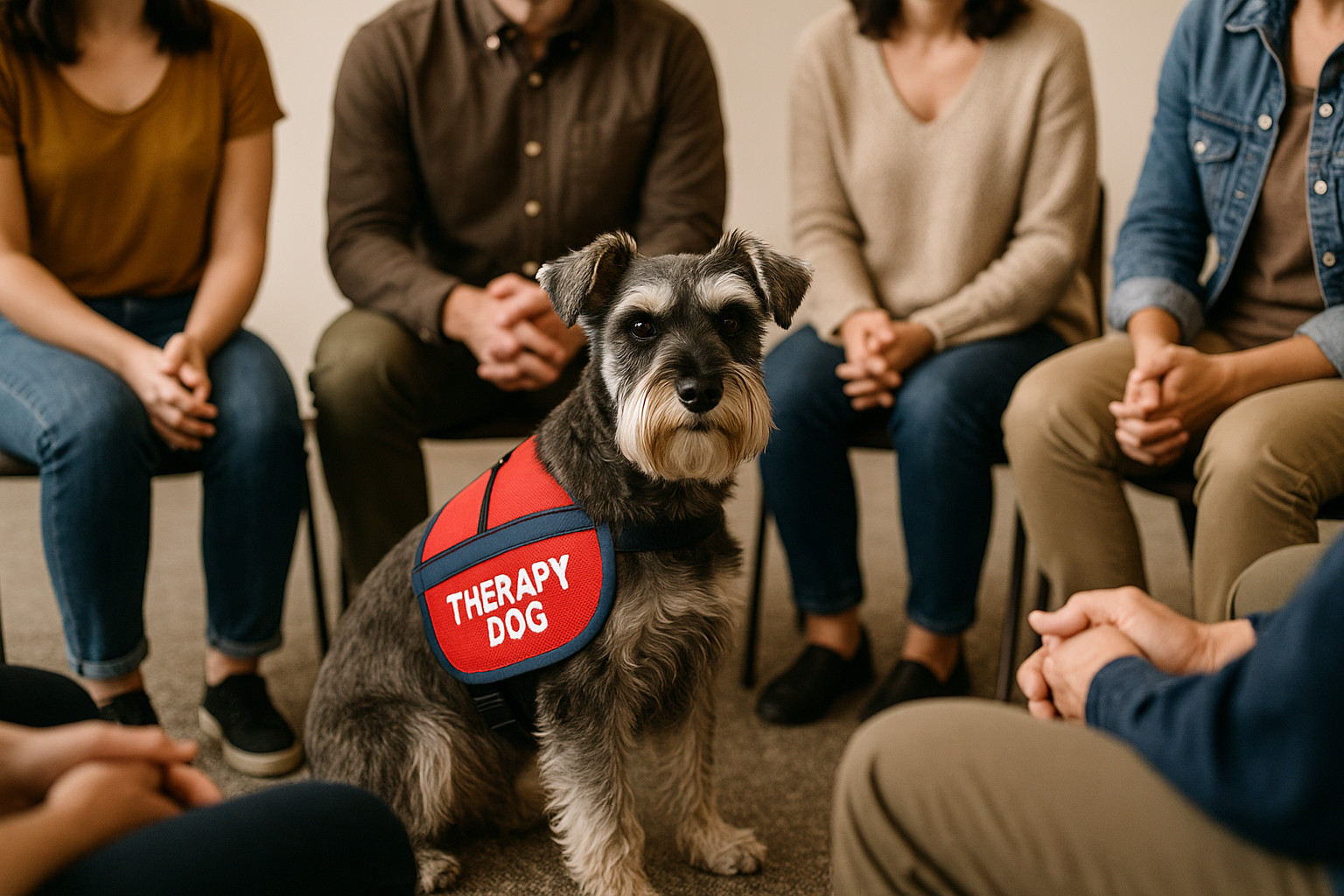
Miniature Schnauzer as a Therapy Dog Overview
The Miniature Schnauzer, with its distinctive looks and vivacious personality, has gained popularity beyond being a beloved family pet. Particularly, their potential as therapy dogs in various therapeutic settings is noteworthy. This article explores the attributes and considerations that define the Miniature Schnauzer's role as a therapy dog, offering insights for trainers, volunteers, or healthcare professionals.
Understanding the Therapy Dog Role
Therapy dogs offer comfort, companionship, and emotional support to individuals in need. Unlike service dogs trained for specific tasks, therapy dogs are valued for their gentle demeanor and ability to engage with people across diverse environments. The Miniature Schnauzer’s playful yet calm nature allows them to excel in this capacity, brightening the days of those they encounter.
Physical Appearance and Energy Level
The Miniature Schnauzer is a small, robust dog known for its distinctive beard and eyebrows. Weighing between 11 to 20 pounds and standing about 12 to 14 inches tall, this breed's manageable size makes it ideal for therapy work in varied settings, from hospital rooms to classrooms.
- Energy Level: Miniature Schnauzers are energetic yet adaptable, a balance that allows them to remain calm in clinical environments while capable of engaging actively when needed.
- Physical Stamina: Their moderate exercise needs match well with the demands of therapy work, providing companionship without overwhelming energy surpluses.
Personality and Emotional Intelligence
- Temperament: Miniature Schnauzers are known for their spirited, affectionate nature. They form strong bonds, crucial for effective therapy work, where trust and empathy are pivotal.
- Emotional Intelligence: This breed excels in intuitively reading human emotions, responding with endearing concern — a trait that enhances their effectiveness in therapeutic engagements.
Environments Where Miniature Schnauzer Excels
Miniature Schnauzers adapt seamlessly to various environments, thanks to their sociable demeanor and eagerness to please.
- Hospitals: Their calm disposition and ability to interact without stress make them favorites in healthcare settings.
- Schools: With a playful yet comforting presence, they help ease anxiety among children and create a conducive learning atmosphere.
- Rehabilitation Centers: The breed’s empathic and vivacious personality offers motivation and emotional support to individuals in recovery.
Common Therapy Settings
Understanding where Miniature Schnauzers excel provides valuable context for their role as therapy dogs.
- Elderly Care Facilities: Their small size and gentle demeanor allow for safe, engaging interactions with older adults who might have mobility limitations.
- Psychiatric Clinics and Counseling Centers: They offer an unwavering presence and nonjudgmental companionship in sensitive settings, providing emotional comfort to those in distress.
Interactions with Different Populations
Miniature Schnauzers demonstrate flexibility and adaptability across diverse groups.
Register Any Breed
- Children: Their playfulness and even temperament make them excellent allies in pediatric therapy.
- Elderly: They provide soothing companionship, often sparking conversations and memories with their affable nature.
- Patients in Recovery: By supporting recovery through consistent interaction, they foster physical and emotional healing.
Health and Wellness Factors
Ensuring the well-being of therapy dogs is essential to their success.
- Diet & Nutrition: A balanced diet supports the Miniature Schnauzer's energetic lifestyle while maintaining optimal health necessary for therapy work.
- Regular Vet Check-Ups: Preventive healthcare ensures they remain fit, focused, and comfortable during interactions.
Lifespan and Common Health Issues
Miniature Schnauzers have a lifespan averaging 12 to 15 years.
- Common Health Concerns: Regular screening for genetic conditions like cataracts, urinary stones, and pancreatitis is important. Anomalies in these areas might impact their endurance and availability for therapy visits.
Maintenance and Care Needs
Grooming and care are vital to maintaining a presentable appearance and overall health.
- Grooming Needs: Regular brushing and professional grooming keep their distinctive coat in good condition, crucial for health and hygiene standards in therapy environments.
- Exercise Requirements: Although moderate, consistent physical activity ensures mental stimulation and health, promoting longevity in their therapy roles.
Training and Certification Readiness
Training a Miniature Schnauzer for therapy work requires patience and understanding.
- Intelligence and Willingness to Learn: They are intelligent and eager learners, traits that facilitate positive training outcomes.
- Adaptability in Training Programs: They react well to positive reinforcement methods, responding best in environments that promote encouragement over discipline.
Learning Style and Responsiveness
Miniature Schnauzers thrive on mental challenges, often excelling in obedience and interactive learning sessions.
- Responsiveness: Their enthusiastic approach to learning new tasks or routines makes them highly trainable for specific therapeutic situations.
Handling Social and Emotional Stimuli
This breed processes social cues and emotional stimuli effectively, making them adept at responding appropriately within therapeutic contexts.
- Social Engagement: They exhibit ongoing patience and adaptability, qualities that are indispensable in high-stress or emotionally charged environments.
- Emotional Awareness: The breed shows remarkable sensitivity to human emotions, often seeking ways to comfort or assist instinctively.
Strengths, Limitations, and Ideal Roles for Miniature Schnauzer
While the Miniature Schnauzer has many strengths as a therapy dog, there are also considerations to keep in mind.
- Strengths: Affectionate nature, engaging demeanor, and adaptability across various environments.
- Limitations: Potential grooming needs and predispositions to certain health issues which may necessitate special attention.
- Ideal Roles: Their balanced temperament suits them well to roles requiring interactive and ongoing emotional support.
Final Thoughts
The Miniature Schnauzer holds a special place in therapy work due to its unique blend of physical, emotional, and social traits. While evaluations of individual capabilities are important, their breeding makes them naturally inclined toward providing comfort and joy to those in need.
Key Takeaways for the Miniature Schnauzer as a Therapy Dog
- Best suited for: Hospitals, schools, elderly care, and rehabilitation centers.
- Not ideal for: Environments requiring a hypoallergenic dog due to their grooming needs.
- Temperament highlights: Intelligent, empathetic, and sociable.
- Care and health notes: Regular grooming and health checkups are essential.
- Therapy environments where they shine: Settings requiring emotional support and social engagement.
“`
This article integrates essential information regarding the roles and capabilities of the Miniature Schnauzer in therapy settings while ensuring optimized format for readability and SEO consistency, suitable for publication on a WordPress platform.


-
Public Access Kits
$149.00 Learn more This product has multiple variants. The options may be chosen on the product page -
Quick Ship Premium Vests
$48.00 – $82.00 Learn more This product has multiple variants. The options may be chosen on the product page -
Service Dog Bandana
$39.95 Learn more This product has multiple variants. The options may be chosen on the product page
Custom ID Cards

Custom ID Cards
All States

Canada Cards

Custom Service Dog Tags
Official Dog Vests

Smart Vests
Official Public Access Kits
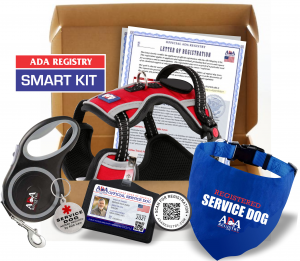
Complete Kits
USA & CANADA Letters
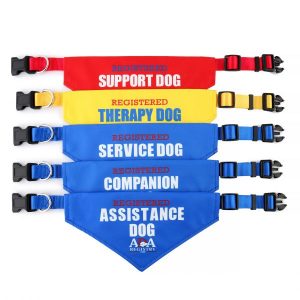
High Quality Bandanas
Service Dog Tags
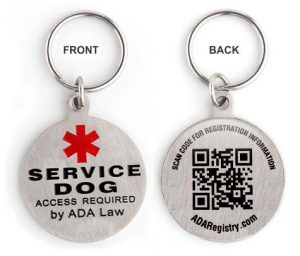
Smart Tags

ESA TAGS