Newfoundland as a Therapy Dog
Register Any Breed
Newfoundland as a Therapy Dog Overview
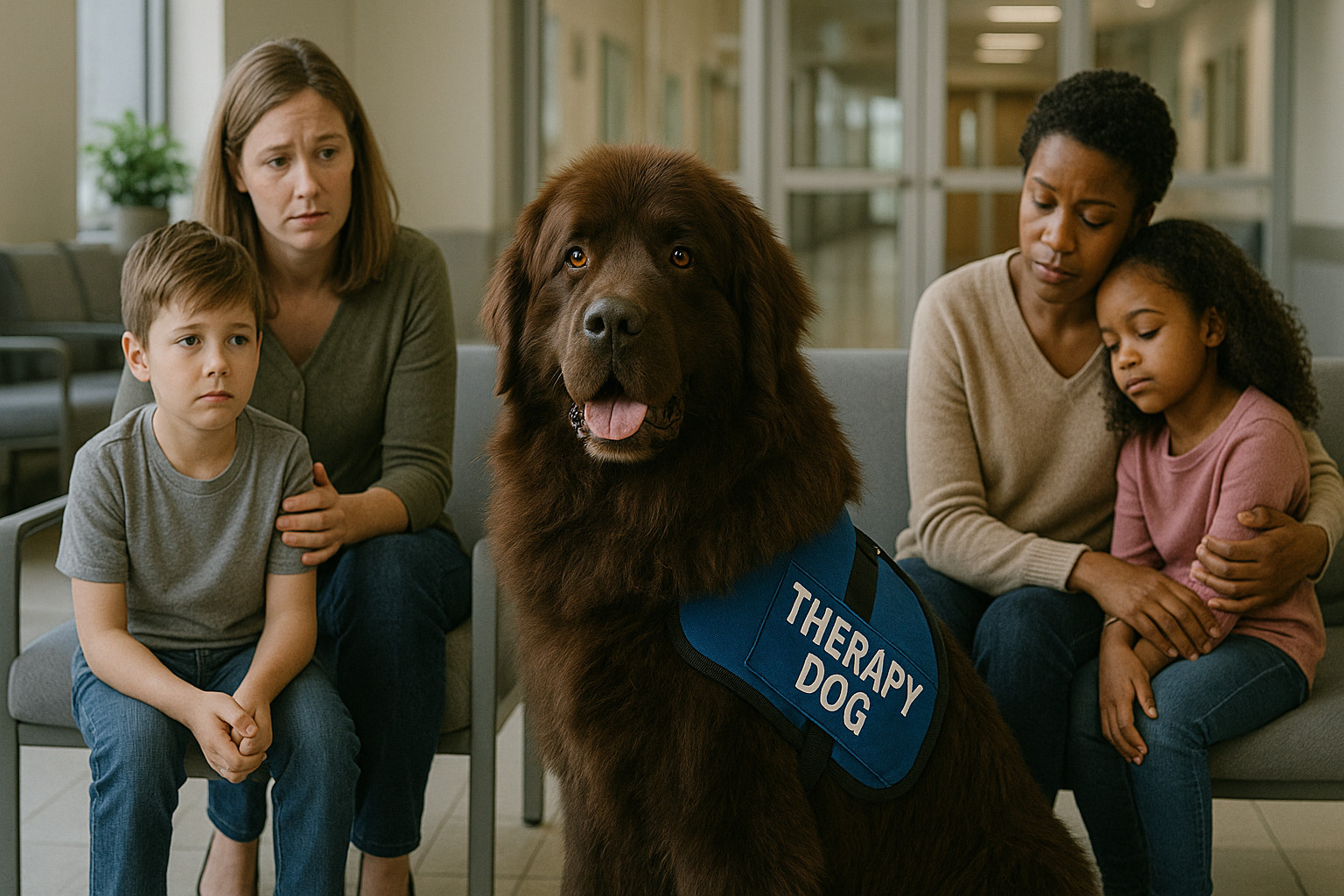
The Newfoundland is a magnificent breed renowned for its gentle nature and large, bear-like stature. With origins as a working dog in the maritime provinces of Canada, the Newfoundland has evolved to serve in many capacities, including as a therapy dog. This article aims to explore in-depth the suitability of the Newfoundland as a therapy dog, focusing on temperament, behavior, environments, and care needs that impact their effectiveness in therapy roles.
Understanding the Therapy Dog Role
Therapy dogs provide emotional support, comfort, and love to individuals in settings such as hospitals, schools, and nursing homes. Unlike service dogs, therapy dogs do not perform specific tasks but rather offer affection and support to improve the emotional well-being of the people they visit. A therapy dog's role demands a calm disposition, gentle temperament, and adaptability to different environments, all of which are natural traits of the Newfoundland.
Physical Appearance and Energy Level
The Newfoundland is a large, robust dog with a thick double coat, expressive eyes, and strong, muscular build. While their size can be imposing, their calm demeanor quickly reassures those around them. Their energy level is moderate, which is advantageous in therapy settings where calmness and patience are necessary. However, their size requires careful consideration when interacting with frail individuals or those uncomfortable around large animals.
Personality and Emotional Intelligence
Newfoundlands are celebrated for their profound sense of empathy and emotional intelligence. They possess a nurturing and caring nature, often responding sensitively to the emotions of those around them. This makes them excellent companions in therapeutic environments, where they seem to instinctively understand the needs of the individuals they are there to support.
- Empathy: Newfoundlands have an innate ability to sense distress, making them highly effective in settings focused on emotional healing.
- Calmness: Their serene presence can soothe those experiencing anxiety or stress, providing a peaceful atmosphere conducive to recovery.
Environments Where Newfoundland Excels
Newfoundlands thrive in environments where their gentle nature and intuitive understanding can be fully appreciated. Their adaptability allows them to excel in various settings:
- Hospitals and Rehabilitation Centers: Their gentle demeanor is reassuring to patients, while their physical size is less of a concern in expansive areas.
- Educational Institutions: With their affectionate and patient nature, Newfoundlands are ideal for interacting with children, including those with special needs.
Common Therapy Settings
In therapy settings, Newfoundlands can engage in activities such as visiting hospital wards to provide comfort to patients or attending schools to help children with reading difficulties gain confidence. They naturally adapt to diverse environments, making them versatile in their roles. Specific settings where they shine include:
- Nursing Homes: Their calm presence is well-suited for elderly residents, providing companionship and reducing feelings of isolation.
- Mental Health Facilities: The Newfoundland's ability to offer unconditional support can significantly aid in mental health treatment, helping patients feel more at ease.
Interactions with Different Populations
Newfoundlands are known for their ability to relate to various groups, from young children to the elderly. They are particularly adept at:
Register Any Breed
- Elderly Individuals: Offering companionship and assisting with emotional needs, often serving as a gentle, non-judgmental presence.
- Children and Adolescents: Their patient nature makes them excellent in settings requiring extended interaction, such as literacy programs or counseling sessions.
Health and Wellness Factors
When considering a Newfoundland for therapy work, it is crucial to account for their health and wellness factors. They require regular exercise to maintain a healthy weight and prevent joint issues, and their coats need consistent grooming to prevent matting and skin problems.
- Grooming Needs: Regular brushing is essential due to their thick coat, and grooming must be considered regarding allergens and appearance maintenance in therapy settings.
- Common Health Issues: Potential health concerns include hip dysplasia and heart conditions, necessitating regular veterinary check-ups to ensure they are fit for therapy duties.
Lifespan and Common Health Issues
Newfoundlands typically have a lifespan of 8 to 10 years. Common health issues such as hip and elbow dysplasia, heart problems, and cystinuria must be monitored closely to ensure the dog's well-being and effectiveness as a therapy dog.
Maintenance and Care Needs
Careful attention to diet, exercise, and regular veterinary visits is vital in maintaining a Newfoundland's health. Their grooming routine plays a critical role in keeping their coat in good condition and minimizing discomfort during therapy sessions.
Training and Certification Readiness
Newfoundlands are usually eager to please, making them receptive to training for therapy certification. Their patience and intelligence make them quick learners for tasks associated with therapy. Key aspects of their training should focus on:
- Basic Obedience: Essential for ensuring they can remain calm and responsive in therapy environments.
- Socialization: Early and continued socialization is critical to ensure they handle different situations and types of interactions comfortably.
Learning Style and Responsiveness
Newfoundlands learn best through positive reinforcement and consistent training techniques. Their desire to bond with humans and their attunement to emotions enhance their training responsiveness, making them reliable partners in therapy work.
Handling Social and Emotional Stimuli
Newfoundlands handle social and emotional stimuli with grace, often providing the emotional balance required in sensitive interactions. Their innate ability to stay composed in chaotic environments makes them an asset in therapy roles, where calmness is essential.
Strengths, Limitations, and Ideal Roles for Newfoundland
Strengths:
- Exceptional empathy and emotional intelligence.
- Patient and calm demeanor.
- Adaptable to various environments and interactions.
Limitations:
- Large size may require spatial considerations and training on approachability in small or crowded therapy areas.
- Health issues may limit their longevity in therapy roles.
Ideal Roles:
- Emotional support in hospitals or rehabilitation centers.
- Companion in schools for children with special needs or those involved in literacy programs.
Final Thoughts
The Newfoundland is a gentle giant, well-suited to the duties of a therapy dog. Their natural disposition lends itself to providing comfort and support across various therapeutic environments. While potential health issues and maintenance needs must be considered, their capacity for empathy and calmness make them a cherished partner in animal-assisted therapy.
Key Takeaways for the Newfoundland as a Therapy Dog
- Best suited for: Hospitals, rehabilitation centers, schools with special needs students.
- Not ideal for: Space-constrained environments or individuals uncomfortable with large dogs.
- Temperament highlights: Gentle, empathetic, patient.
- Care and health notes: Requires significant grooming, regular health checks, and exercise.
- Therapy environments where they shine: Hospitals, nursing homes, mental health facilities.
Overall, the Newfoundland's innate qualities of calmness and empathy make them highly effective therapy dogs, bringing warmth and comfort to those they engage with.


-
Public Access Kits
$149.00 Learn more This product has multiple variants. The options may be chosen on the product page -
Quick Ship Premium Vests
$48.00 – $82.00 Learn more This product has multiple variants. The options may be chosen on the product page -
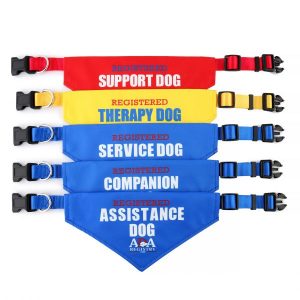
Service Dog Bandana
$39.95 Learn more This product has multiple variants. The options may be chosen on the product page
Custom ID Cards

Custom ID Cards
All States
Canada Cards
Custom Service Dog Tags
Official Dog Vests
Smart Vests
Official Public Access Kits
Complete Kits
USA & CANADA Letters
High Quality Bandanas
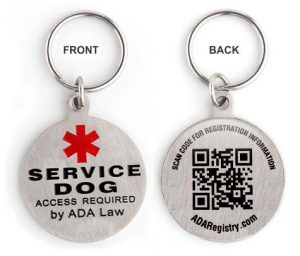
Service Dog Tags
Smart Tags
ESA TAGS