
Newfoundland as an Emotional Support Dog
Register Any Breed
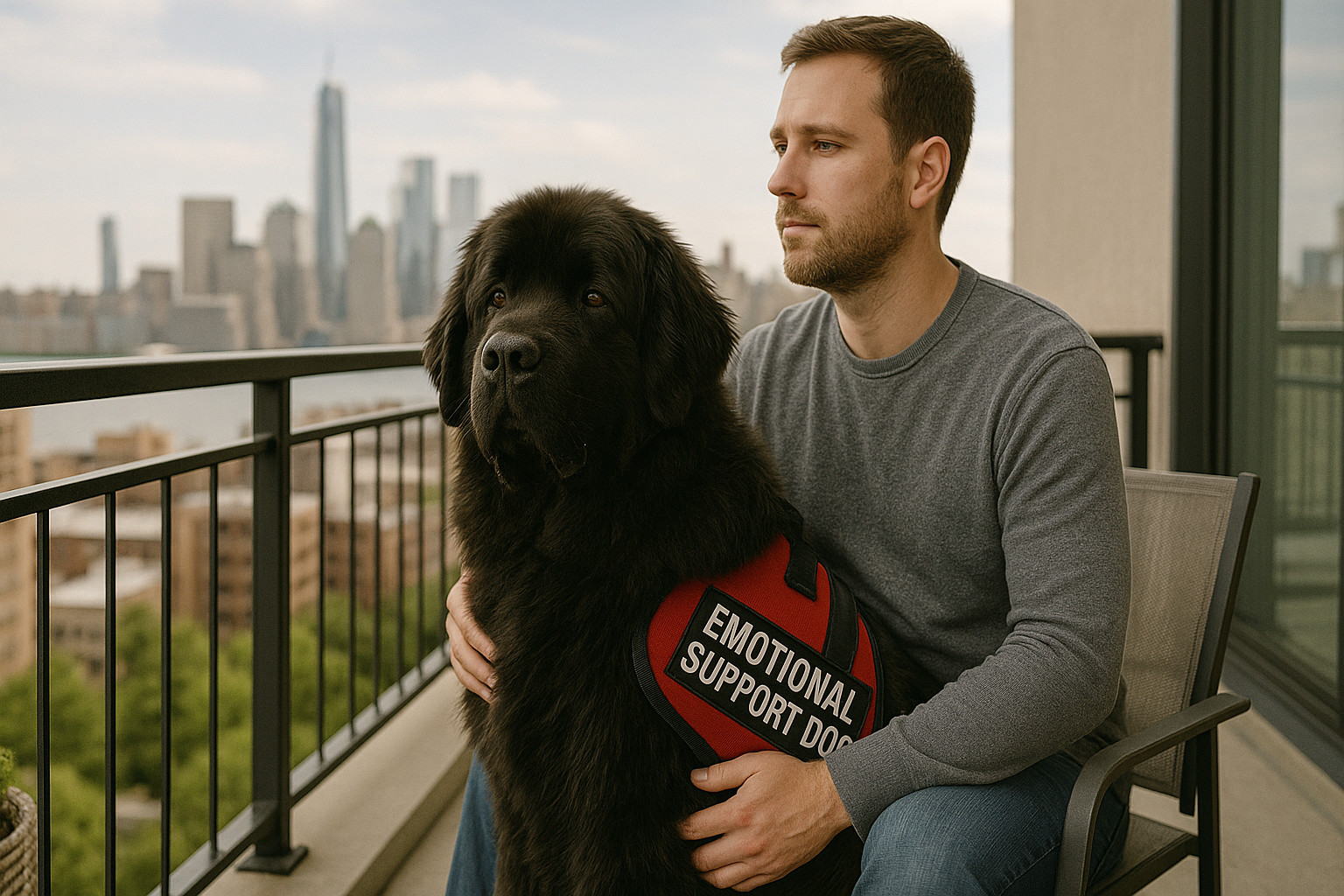
The Newfoundland dog breed, with its gentle demeanor, intelligence, and exceptional sensitivity, makes an excellent candidate for an emotional support dog. This comprehensive guide explores how Newfoundland's unique characteristics contribute to emotional companionship, ideal environments, lifestyle considerations, and care requirements.
Understanding the Emotional Support Role
Unlike service dogs, whose functions involve performing specific tasks for individuals with disabilities, emotional support animals provide comfort and companionship. The presence of an emotional support animal alone can help alleviate symptoms of emotional or psychological conditions such as anxiety, depression, or PTSD.
Newfoundland Overview
Newfoundlands are large, powerful dogs known for their swimming prowess and gentle nature. Originating from the icy shores of Canada, these dogs were initially bred to work alongside fishermen, demonstrating their strength and dependability. Their impressive size is matched by their equally large hearts, making them affectionate, loyal companions.
Temperament and Emotional Connection
Newfoundlands possess a remarkably calm and tolerant temperament. These dogs are intuitive, often sensing when their human companions feel upset or stressed. Their patient and empathetic nature allow them to offer comfort through simple presence and gentle companionship.
- Intuitive and Empathic: Due to their keen ability to read emotions, Newfoundlands respond empathetically to the emotional cues of their humans, providing a soothing presence in times of distress.
- Gentle Giants: Despite their size, they exhibit a natural gentleness, making them excellent comfort providers without the risk of creating intimidating situations.
- Loyal Companionship: Newfoundlands form deep bonds with their owners, offering unwavering companionship that can alleviate loneliness and provide a sense of security.
Adaptability and Daily Behavior
Adaptability is a key factor in the suitability of Newfoundlands as emotional support dogs. Their balanced energy levels mean they are content with a combination of moderate exercise and plenty of time spent relaxing indoors with their owners.
- Calm Demeanor: Their relaxed attitude means they adapt well to the pace of their owner's lifestyle, whether it's a leisurely day or an active outing.
- Low Energy Indoors: Although they enjoy outdoor activities, Newfoundlands are not overly demanding of exercise and are content in an indoor setting, making them ideal for quieter homes.
Situations Where Newfoundland Provides Strong Support
Newfoundlands are particularly effective in providing emotional support in specific situations thanks to their serene disposition and natural empathy.
- Anxiety Management: Their calming presence can help reduce anxiety levels in crowded or overwhelming situations.
- Companionship for the Elderly: Newfoundlands are superb companions for seniors, offering a steady presence and helping mitigate feelings of loneliness or isolation.
- Support in Transitional Phases: Whether it's moving to a new home or adjusting to life changes, Newfoundlands provide stable, comforting companionship.
Ideal Living Environments
As large dogs, Newfoundlands require specific living conditions to thrive as emotional support animals.
Register Any Breed
- Spacious Living Areas: Larger homes with adequate space allow Newfoundlands to move comfortably, although they can adapt to smaller spaces with prioritized outdoor exercise.
- Access to Water: The Newfoundland's love for water makes environments near water bodies, or homes with pools, particularly enjoyable for them.
- Calm Households: While they are tolerant of noise, peaceful households where they can relax undisturbed suit their nature best.
Bonds with Different Types of People
Newfoundlands form strong bonds with various individuals, adapting their support to each person's unique needs.
- Families with Children: Newfoundlands are protective and patient, making them excellent companions for children.
- Individuals with Mobility Concerns: While not trained for mobility assistance, their steady presence offers emotional support to those with mobility issues.
- People in Assisted Living: Their gentle, peaceful demeanor is comforting for individuals in assisted living environments.
Health, Care, and Wellbeing
Understanding the health-related aspects of Newfoundland dogs is crucial to ensuring they can provide emotional support effectively.
Common Health Considerations
Like many large breeds, Newfoundlands are prone to certain health issues that require vigilance.
- Hip Dysplasia and Joint Issues: Regular veterinary checks and a healthy diet are essential to manage these common giant breed concerns effectively.
- Heart Conditions: Awareness of potential heart issues is necessary, with regular check-ups to maintain optimal health.
Grooming, Comfort, and Maintenance Needs
Due to their thick coats, regular grooming is essential for Newfoundlands to stay comfortable and healthy.
- Frequent Grooming: Regular brushing helps manage shedding and keeps the coat free of tangles.
- Seasonal Shedding: Understanding the seasonal shedding patterns can help in maintaining a clean living environment.
- Bathing as Needed: While Newfoundlands enjoy water, too frequent bathing can strip essential oils from the coat. Bathing should be balanced with their comfort and skin health in mind.
Preparing a Newfoundland for Emotional Support Work
Proper preparation is key in ensuring Newfoundlands can fulfill their role as emotional support dogs effectively.
Socialization and Responsiveness
Socialization from a young age ensures Newfoundlands are confident and well-behaved in various settings.
- Early and Consistent Socialization: Exposure to different environments, people, and other animals helps minimize anxiety and fortify their supportive role.
- Obedience Training: Consistent training reinforces positive behaviors and improves their ability to respond to emotional cues reliably.
Managing Stress and Emotional Cues
Newfoundlands are adept at reading and responding to human emotions.
- Calm Reinforcement: Reinforcing calm behavior helps them manage stressful situations more effectively.
- Structured Routine: Maintaining a consistent routine aids in reducing stress for Newfoundlands and improves their overall emotional balance.
Strengths, Challenges, and Ideal Homes for Newfoundland
Newfoundlands offer unique strengths as emotional support dogs but require specific environments to thrive.
- Strengths: Their gentle, intuitive nature offers deep emotional support and companionship.
- Challenges: Their large size and grooming needs demand commitment from owners.
- Ideal Homes: Families, seniors, and those with enough space value their balanced presence.
Final Thoughts
Newfoundlands provide exceptional emotional support, leveraging their intuitive and gentle nature. While they require certain living conditions and regular care, their loyalty and affection make them outstanding companions for individuals needing emotional support.
Key Takeaways for the Newfoundland as an Emotional Support Dog
- Best suited for: Families with space, seniors, and tranquil households.
- Not ideal for: Small apartments without access to outdoor space or individuals unable to manage grooming needs.
- Emotional traits: Empathetic, gentle, and calming presence.
- Care and health notes: Regular grooming and monitoring of common health issues are necessary.
- Environments where they provide the most comfort: Spacious homes, near water, and serene living situations.
This guide encapsulates the Newfoundland's capacity to provide unparalleled emotional support, making them a cherished companion for those in need of comfort and companionship.


-
Public Access Kits
$149.00 Learn more This product has multiple variants. The options may be chosen on the product page -
Quick Ship Premium Vests
$48.00 – $82.00 Learn more This product has multiple variants. The options may be chosen on the product page -
Service Dog Bandana
$39.95 Learn more This product has multiple variants. The options may be chosen on the product page
Custom ID Cards

Custom ID Cards
All States
Canada Cards
Custom Service Dog Tags

Official Dog Vests

Smart Vests
Official Public Access Kits

Complete Kits
USA & CANADA Letters

High Quality Bandanas

Service Dog Tags

Smart Tags

ESA TAGS
