Norfolk Terrier as a Service Dog
Register Any Breed
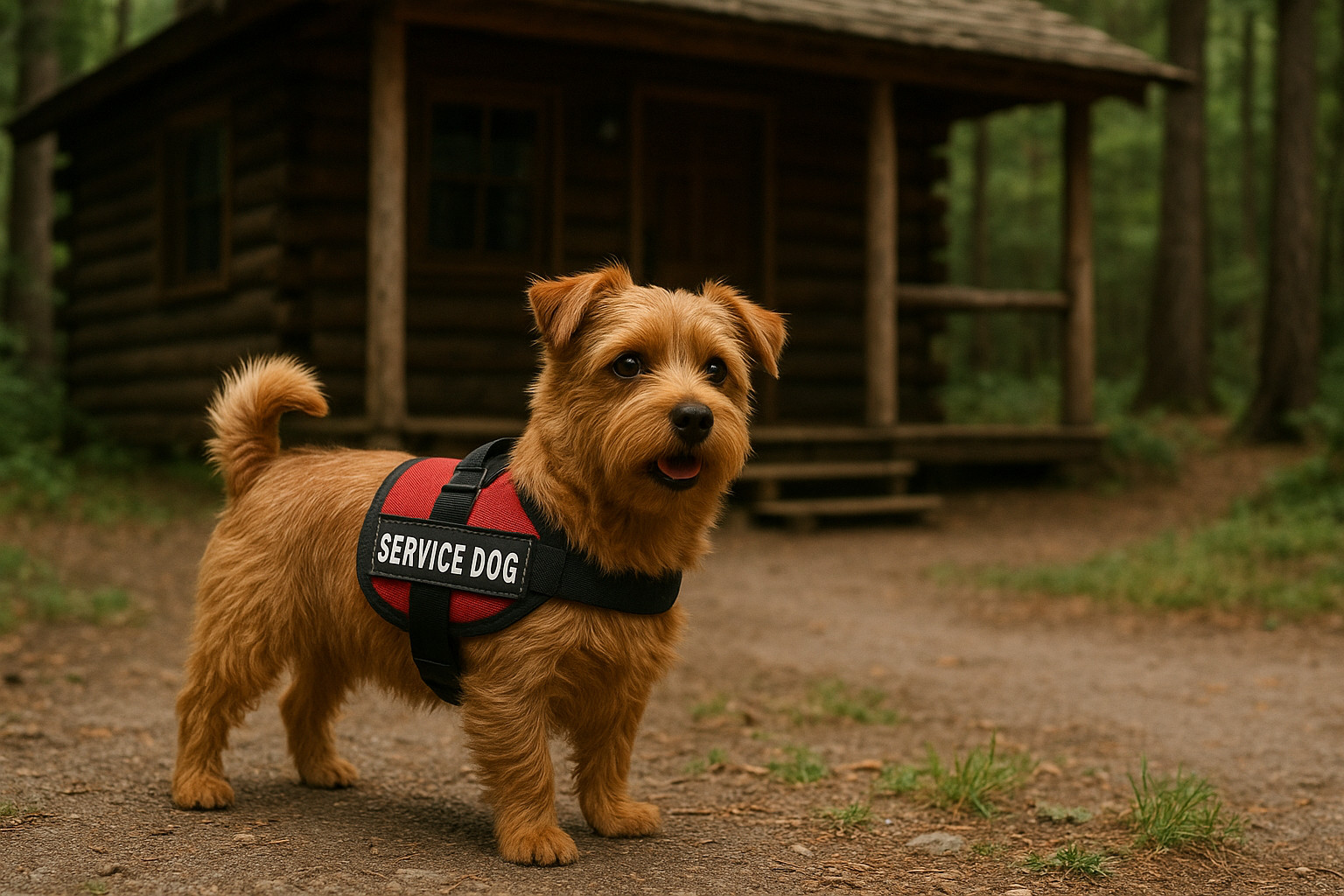
The Norfolk Terrier, with its endearing looks and spirited nature, is not the first breed that comes to mind when thinking of service dogs. However, these little dogs have unique qualities that make them suitable for specific types of service work. In this article, we'll delve into the Norfolk Terrier’s potential as a service dog, examining their physical characteristics, temperament, health considerations, and suitability for different roles.
Norfolk Terrier Overview
The Norfolk Terrier is a small, energetic breed originally bred for hunting purposes. Known for their lovable nature and zest for life, they have gained popularity beyond their working roots as delightful companion animals.
Physical Characteristics
The Norfolk Terrier is one of the smallest working terriers, generally weighing between 11 to 12 pounds and standing at a height of about 10 inches at the shoulder. Despite their small stature, they are muscular and robust, with a strong frame built for agility and endurance.
- Size and Strength: Their compact size makes them unsuitable for tasks requiring significant physical strength, such as mobility assistance. However, their size can be advantageous for individuals needing assistance in environments where space is a constraint.
- Agility and Stamina: Bred for hunting, they possess high agility and stamina, useful attributes for tasks requiring quick responses and endurance, but not necessarily for long periods of physical strain.
Temperament and Attitude
The Norfolk Terrier is characterized by its friendly, bold, and fearless nature. Known for being sociable, they thrive on interaction with humans and other animals alike.
- Good Companionship: Their friendly disposition makes them excellent companions, particularly for individuals who benefit from emotional support in stressful environments.
- Alertness: They are highly alert and attentive, traits that are valuable in service dogs for roles that require vigilance, such as medical alert work.
- Potential Challenges: Their terrier spirit means they can sometimes be independent and stubborn, requiring consistent training and reinforcement to ensure obedience, especially in public settings.
Types of Service Work
While the Norfolk Terrier is not commonly utilized as a traditional service dog due to their size and temperament, they can be quite effective in specific roles.
- Medical Alert Dogs: Their alertness and quick response make them potentially suitable for medical alert tasks, such as notifying a handler of an oncoming medical issue like a seizure or blood sugar drop.
- Emotional Support Animals (ESAs): Their friendly, affectionate nature makes them excellent as ESAs, providing companionship and support to individuals with mental health challenges.
- Inappropriate Roles: Due to their size and strength limitations, they are unsuitable for mobility assistance or tasks requiring physical guidance.
Health Considerations
Like all breeds, Norfolk Terriers have specific health considerations that may affect their performance and reliability as service animals.
- Common Health Issues: They are generally healthy but can be prone to hip dysplasia, heart issues, and eye diseases. Regular health checks and a healthy lifestyle are necessary to maintain their ability to perform service tasks.
- Lifespan: With a lifespan of 12-15 years, Norfolk Terriers can serve as long-term companions if well-cared for.
- Physical Limitations: Regular exercise is important to maintain their health and agility, but their small size also means they have limits on the types of physically demanding tasks they can sustain.
Training and Suitability
Training a Norfolk Terrier to be a service dog involves understanding their innate behaviors and channeling them appropriately.
Register Any Breed
- Trainability: Intelligent and eager to please, they respond well to positive reinforcement training methods. Consistency is key to overcoming their occasional stubbornness.
- Suitability for Training: Their high energy and eagerness are beneficial in training sessions, making them quick learners for tasks that align with their natural instincts and abilities.
- Challenges: Their independent streak means they may not always follow commands without thorough training, emphasizing the need for a dedicated and patient trainer or handler.
Summary of Norfolk Terrier
In summary, the Norfolk Terrier offers a unique blend of traits that make them potentially suitable for certain service roles, although they may not fit the mold of conventional service dogs. Here is a summary of their key strengths and weaknesses:
- Strengths:
- Excellent alertness suitable for medical alert tasks
- Affectionate and sociable nature ideal for emotional support
- High energy and agility for active, responsive roles
- Weaknesses:
- Small size limits them from performing tasks requiring significant strength
- Can be independent and stubborn, necessitating consistent and patient training
- Prone to certain health issues that require regular monitoring
- Ideal Service Roles:
- Emotional Support Animal
- Medical Alert Dog (in specific scenarios)
Overall, the Norfolk Terrier can be a wonderful companion and potentially a helpful service dog in roles that leverage their unique strengths. Understanding their limitations and leveraging their capabilities is essential for anyone considering this breed for service work.


-
Public Access Kits
$149.00 Learn more This product has multiple variants. The options may be chosen on the product page -
Quick Ship Premium Vests
$48.00 – $82.00 Learn more This product has multiple variants. The options may be chosen on the product page -
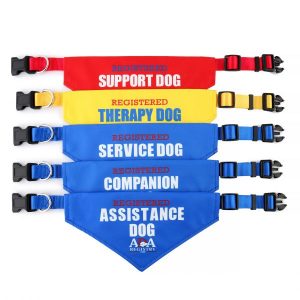
Service Dog Bandana
$39.95 Learn more This product has multiple variants. The options may be chosen on the product page
Custom ID Cards

Custom ID Cards
All States
Canada Cards
Custom Service Dog Tags
Official Dog Vests
Smart Vests
Official Public Access Kits
Complete Kits
USA & CANADA Letters
High Quality Bandanas
Service Dog Tags
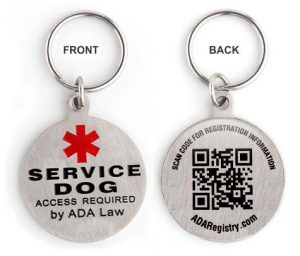
Smart Tags

ESA TAGS