Norfolk Terrier as an Emotional Support Dog
Register Any Breed
Understanding the Emotional Support Role
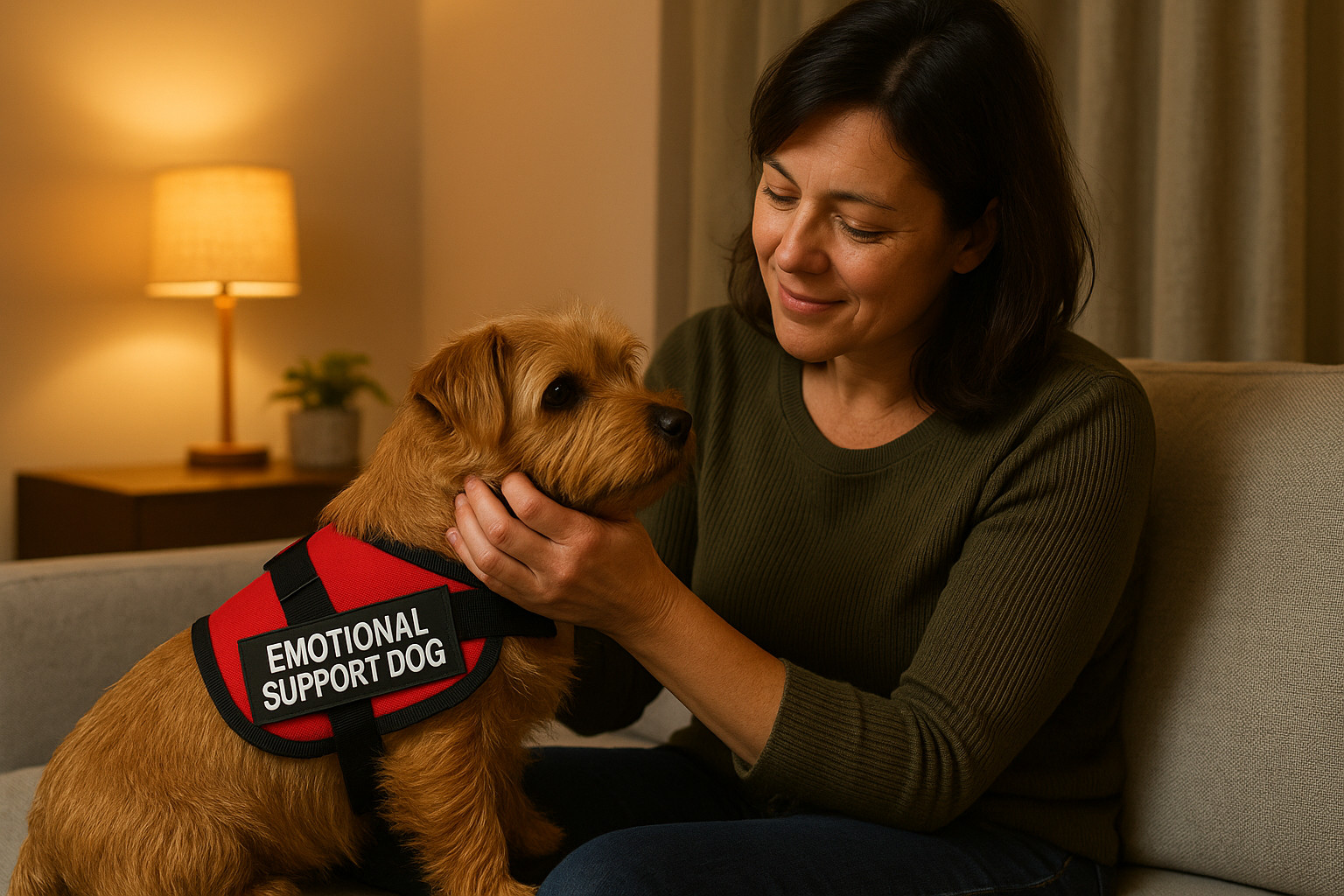
The Norfolk Terrier is a charming and spirited companion that shines brightly when fulfilling the emotional support role. As an emotional support animal (ESA), the breed exhibits an innate ability to provide comfort, reducing stress and anxiety through dedicated companionship and unwavering loyalty. This guide explores the suitability of the Norfolk Terrier as an emotional support dog, offering insights into their temperament, adaptability, and the environments in which they excel.
Norfolk Terrier Overview
The Norfolk Terrier, one of the smallest working terriers, is known for its sturdy frame and vivacious personality. Originally bred for hunting small vermin, this breed is characterized by its bravery, intelligence, and affectionate nature. These qualities, coupled with their manageable size and minimal grooming requirements, make them a fitting choice for emotional support. Their size allows them to thrive in various living environments, making it easier for owners to incorporate them into their daily routines regardless of space constraints.
Temperament and Emotional Connection
When considering the Norfolk Terrier as an emotional support dog, their warm temperament and strong emotional connection with humans stand out. Their endearing personality is defined by:
- Empathy: Norfolk Terriers have an uncanny ability to sense and respond to their owner’s emotional states. They are naturally attentive, making them excellent at providing comfort when it’s most needed.
- Affection: This breed thrives on human interaction and is known for creating strong bonds with its family members, offering a sense of companionship that can be deeply comforting.
- Loyalty: Norfolk Terriers are fiercely loyal, ensuring their presence and attention are a constant in their owner’s life, especially during times of stress or loneliness.
Adaptability and Daily Behavior
One of the key attributes of the Norfolk Terrier is its adaptability, which makes it suitable for diverse lifestyles and environments. A few aspects of their daily behavior include:
- Energy Levels: They possess moderate energy levels, requiring regular walks and playtime, which can encourage their owners to engage in physical activities, promoting mental and physical well-being.
- Calmness: Despite their energetic nature, Norfolk Terriers are known for their ability to settle down and relax, making them soothing companions in quiet settings.
- Routine Friendly: This breed appreciates a stable routine, which can be comforting for individuals who thrive on structure and predictability.
Situations Where Norfolk Terrier Provides Strong Support
The Norfolk Terrier can excel in providing emotional support across various scenarios, such as:
- Individuals with Anxiety: Their calm presence and affectionate demeanor help mitigate anxiety, providing a grounding influence in stressful situations.
- Elderly Companions: Their size and gentle nature make them excellent for elderly individuals seeking companionship without the physical demands larger breeds may pose.
- People with Depression: The lively and loving nature of the Norfolk Terrier can offer emotional lift, encouraging interaction and daily activities that help combat depressive symptoms.
Ideal Living Environments
Norfolk Terriers are adaptable and can flourish in multiple living environments, including:
- Apartments: Their small size and manageable energy levels allow them to thrive in compact spaces such as apartments, especially with regular outdoor excursions.
- Family Homes: In larger family settings, they integrate well, forming bonds with family members and participating in group activities.
- Assisted Living Facilities: Their calming presence and minimal care requirements make them suitable for assisted living environments, where they can provide companionship without overwhelming care demands.
Bonds with Different Types of People
The Norfolk Terrier's ability to form bonds with different individuals is noteworthy:
Register Any Breed
- Single Owners: They offer unwavering support and companionship to individuals who live alone, forming strong attachments and reducing feelings of loneliness.
- Families with Children: They are playful yet gentle, making them suitable companions for families with children, promoting responsibility and empathy in young members.
- Older Adults: Their empathetic nature provides solace and companionship for older adults, who may benefit from their presence in terms of both physical and mental health.
Health, Care, and Wellbeing
The overall health and well-being of Norfolk Terriers are crucial to their role as effective emotional support animals. Owners need to be aware of:
- Exercise Needs: Regular physical activity is essential to maintain their health and prevent obesity, ensuring they remain energetic and playful.
- Diet: A balanced diet is critical to prevent common breed-specific issues like obesity, which can hinder their ability to provide consistent support.
Common Health Considerations
While generally healthy, Norfolk Terriers may be prone to certain genetic conditions that owners should monitor:
- Hip Dysplasia: Regular veterinary check-ups can help detect joint issues early, allowing for timely intervention.
- Eye Conditions: Cataracts and other hereditary eye conditions may occur, needing periodic evaluation by a veterinarian.
Grooming, Comfort, and Maintenance Needs
Norfolk Terriers require specific grooming practices to maintain their comfort and appearance:
- Coat Maintenance: Their wiry coats should be brushed weekly to prevent matting and tangling, ensuring they remain comfortable and clean.
- Nail Care: Regular nail trims prevent discomfort and highlight their well-being, further enhancing their readiness to provide support.
Preparing a Norfolk Terrier for Emotional Support Work
Training and socialization are vital in preparing Norfolk Terriers for their role as emotional support animals:
- Basic Obedience Training: Commands like “sit,” “stay,” and “come” ensure that they remain responsive in different environments.
- Socialization: Early exposure to various people, animals, and settings enhances their adaptability and confidence, making them stable companions.
Socialization and Responsiveness
A well-socialized Norfolk Terrier is responsive and attentive, crucial for emotional support roles:
- Human Interaction: Encourage interactions with diverse people to ensure they are comfortable and adaptable in social settings.
- Environmental Exposure: Gradual exposure to various sounds and environments helps them remain calm and composed, reducing stress-related behaviors.
Managing Stress and Emotional Cues
Recognizing and managing stress in Norfolk Terriers is crucial:
- Identify Triggers: Understanding what causes stress allows owners to create a calming environment, ensuring the dog remains a reliable support.
- Emotional Awareness: Training them to recognize human emotional cues enhances their ability to provide timely comfort.
Strengths, Challenges, and Ideal Homes for Norfolk Terrier
While the Norfolk Terrier shines as an emotional support companion, prospective owners should consider:
- Strengths: Their loyalty, adaptability, and affection make them excellent for providing emotional support across various settings.
- Challenges: Potential issues include separation anxiety and a need for consistent mental and physical stimulation to prevent boredom.
- Ideal Homes: Homes that appreciate routines and can provide regular outdoor activities are best suited for this breed.
Final Thoughts
The Norfolk Terrier’s energetic yet balanced demeanor, combined with its empathy and inherent affection, makes it an excellent candidate for the role of an emotional support dog. They are adept at providing comfort and reducing anxiety, adapting to the needs and lifestyles of their owners. Their responsiveness to emotional cues and ability to thrive in various living environments underscores their suitability for those seeking emotional support.
Key Takeaways for the Norfolk Terrier as an Emotional Support Dog
- Best suited for: Individuals with anxiety, older adults, people living alone, and families with children in need of companionship.
- Not ideal for: People who cannot provide regular exercise or who are away from home for extended periods.
- Emotional traits: Empathetic, affectionate, loyal, and able to sense and respond to human emotions.
- Care and health notes: Requires regular grooming, exercise, and health monitoring; generally healthy with some breed-specific considerations.
- Environments where they provide the most comfort: Apartments, family homes, assisted living settings, and environments offering structure and routine.


-
Public Access Kits
$149.00 Learn more This product has multiple variants. The options may be chosen on the product page -
Quick Ship Premium Vests
$48.00 – $82.00 Learn more This product has multiple variants. The options may be chosen on the product page -
Service Dog Bandana
$39.95 Learn more This product has multiple variants. The options may be chosen on the product page
Custom ID Cards

Custom ID Cards
All States

Canada Cards

Custom Service Dog Tags
Official Dog Vests

Smart Vests
Official Public Access Kits
Complete Kits
USA & CANADA Letters
High Quality Bandanas
Service Dog Tags
Smart Tags

ESA TAGS