Norwegian Buhund as a Therapy Dog
Register Any Breed
Norwegian Buhund as a Therapy Dog Overview
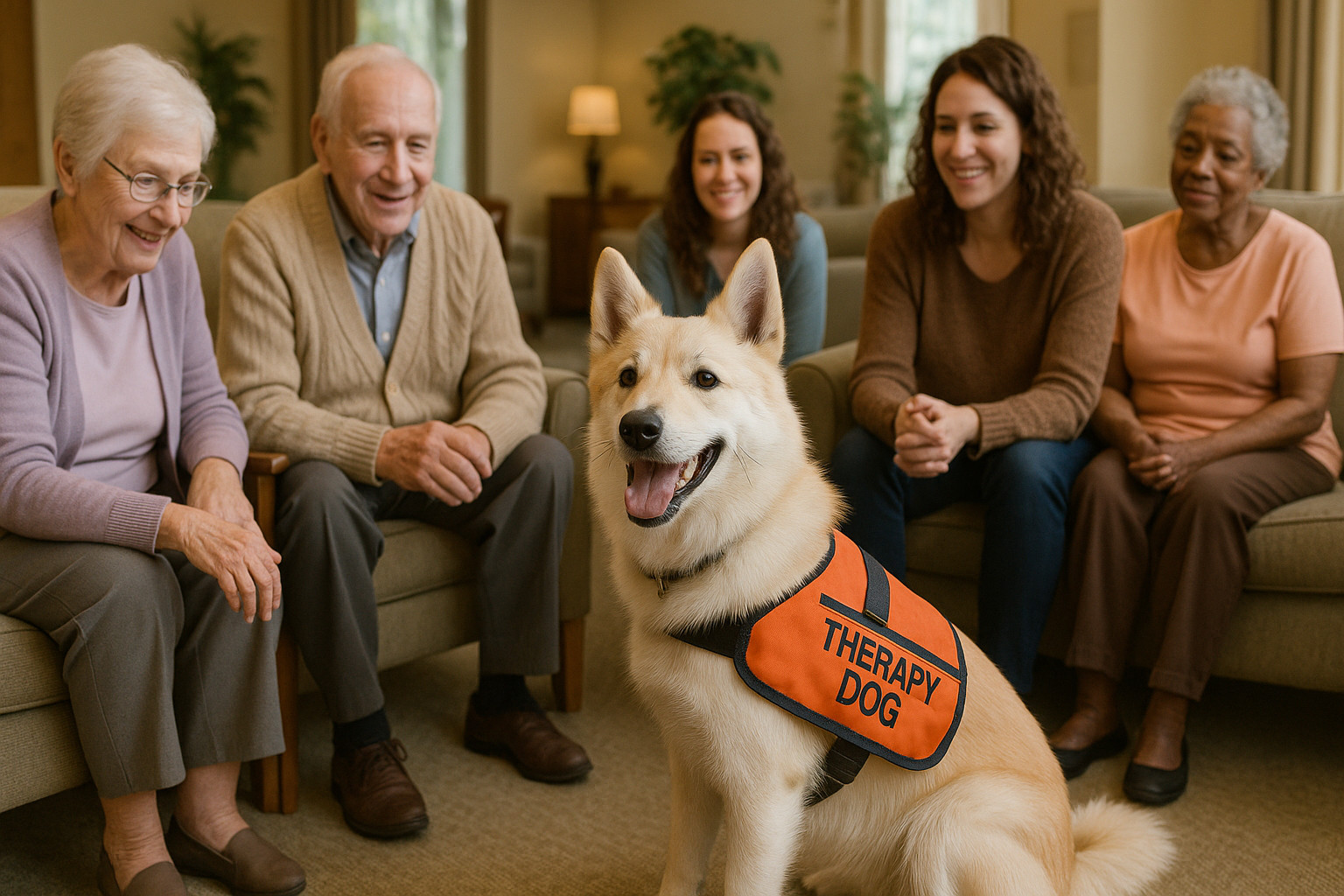
The Norwegian Buhund, a lesser-known but incredibly versatile breed, has a significant potential to excel in animal-assisted therapy settings. Known for their joyful nature and acute sensitivity, these dogs embody the qualities essential for providing emotional support and comfort to people in need. In this article, we delve into the breed’s characteristics, exploring how the Norwegian Buhund can shine as a therapy dog in various environments.
Understanding the Therapy Dog Role
Therapy dogs are trained to provide comfort and affection to people in hospitals, nursing homes, schools, and other therapeutic settings. Unlike service or guide dogs, therapy dogs work with multiple people and must be adaptable, calm, and empathetic. They must flourish in diverse environments, often teaming up with their handlers to read human emotions, acting as a source of emotional solace.
Physical Appearance and Energy Level
The Norwegian Buhund is a medium-sized spitz-type dog, recognizable by its erect ears, tightly curled tail, and expressive eyes. Weighing between 26 to 40 pounds, they are agile and energetic, making them perfect candidates for engaging interactions with people.
- Energy Level: High, yet manageable with regular exercise
- Grooming Needs: Moderate, with a thick double coat that requires regular brushing to maintain cleanliness and minimize shedding, especially important when visiting institutions that demand high hygiene standards.
Personality and Emotional Intelligence
Buhunds are known for their intelligence, alertness, and cheerfulness. In therapy settings, their social disposition and laser-sharp emotional intuition become evident, as they effortlessly engage with patients of all ages.
- Temperament: Affectionate, enthusiastic, and social
- Empathy Level: High, allowing for effective interaction with diverse emotional states
- Calmness Factor: Naturally lively, but their even temper helps them adjust well to different paces required in therapeutic settings.
Environments Where Norwegian Buhund Excels
Norwegian Buhunds are versatile and adapt well to a variety of therapeutic environments:
- Schools and Libraries: They excel in literacy programs helping children develop reading skills by providing a non-judgmental listener.
- Hospitals: Their friendliness and warmth ease anxiety and fear among patients.
- Rehabilitation Centers: Their high energy levels motivate patients in physical therapy sessions.
Common Therapy Settings
Norwegian Buhunds often function within the following settings:
- Hospitals and Clinics: Offering emotional support to patients, often brightening the day with their joyful demeanor.
- Elderly Care Facilities: Providing companionship and stimulation for residents, easing loneliness and depression.
- Educational Institutions: Serving as reading buddies to enhance students' learning experience.
Interactions with Different Populations
Their adaptable nature makes them suitable for various populations:
Register Any Breed
- Children: Bonding through their playful and gentle nature
- Adults: Providing calming companionship while being attentive and responsive
- Seniors: Offering consistent engagement that reduces feelings of isolation
Health and Wellness Factors
The welfare of a therapy dog is paramount to ensure safety and efficacy.
- Lifespan: 12-15 years
- Common Health Issues: Generally healthy, though hip dysplasia and cataracts can occur
- Regular Vet Checks: Necessary to maintain optimal health, ensuring they remain fit for therapy work
Lifespan and Common Health Issues
While known for their robustness, Norwegian Buhunds must be monitored for specific health concerns to ensure longevity in therapy service.
- Common Health Concerns: Hip dysplasia, cataracts; regular screenings recommended
- Preventative Care: Regular exercise and a balanced diet to maintain healthy weight and coat
Maintenance and Care Needs
To thrive as a therapy dog, maintaining the well-being of a Buhund involves:
- Exercise Regimens: Essential for channeling their high energy positively
- Grooming: Regular brushing to control shedding and ensure they are therapy-ready
Training and Certification Readiness
Training a Norwegian Buhund for therapy dog certification requires patience but promises high reward due to their intelligence and eagerness to please.
- Learning Style: Quick learners, best suited for positive reinforcement techniques
- Certification Programs: Participation in therapy dog programs like the Alliance of Therapy Dogs or Pet Partners recommended for validation
Learning Style and Responsiveness
Their intelligent nature complements a responsive training regimen:
- Problem Solving: Excellent at understanding commands and engaging in tasks
- Adaptability: Able to adjust to various therapy settings and patient needs with ease
Handling Social and Emotional Stimuli
Norwegian Buhunds are known for their acute sensitivity to social cues, making them adept in handling emotional stimuli in therapy settings.
- Social Interaction: Thrives on engaging with people; comfortable amidst complex social dynamics
- Emotional Capacity: Detects changes in human emotions, responding appropriately to offer comfort or engage playfully
Strengths, Limitations, and Ideal Roles for Norwegian Buhund
While the Norwegian Buhund boasts many strengths as a therapy dog, it's essential to recognize their limitations too.
- Strengths: Adaptable, empathic, intelligent, and able to engage diverse populations effectively
- Limitations: Requires regular grooming, potential for over-excitement if not well-exercised
- Ideal Roles: Best suited for dynamic environments like schools and rehabilitative therapy sessions
Final Thoughts
The Norwegian Buhund’s multifaceted attributes make it a commendable candidate for therapy dog roles. The joy and companionship they offer are unparalleled, contributing significantly to the well-being of those they interact with in therapeutic settings.
Key Takeaways for the Norwegian Buhund as a Therapy Dog
- Best suited for: Schools, hospitals, and rehabilitation centers
- Not ideal for: Environments requiring low-energy or hypoallergenic breeds
- Temperament highlights: Affectionate, energetic, empathetic
- Care and health notes: Moderate grooming needs; generally healthy but watch for hip/cataract issues
- Therapy environments where they shine: Settings fostering interactive and dynamic engagement


-
Public Access Kits
$149.00 Learn more This product has multiple variants. The options may be chosen on the product page -
Quick Ship Premium Vests
$48.00 – $82.00 Learn more This product has multiple variants. The options may be chosen on the product page -
Service Dog Bandana
$39.95 Learn more This product has multiple variants. The options may be chosen on the product page
Custom ID Cards

Custom ID Cards
All States

Canada Cards

Custom Service Dog Tags
Official Dog Vests
Smart Vests
Official Public Access Kits
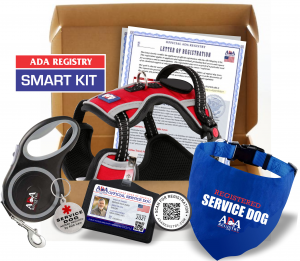
Complete Kits
USA & CANADA Letters
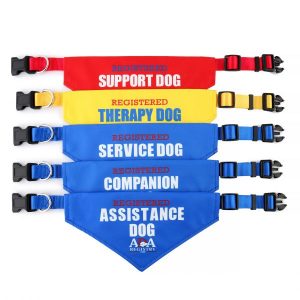
High Quality Bandanas
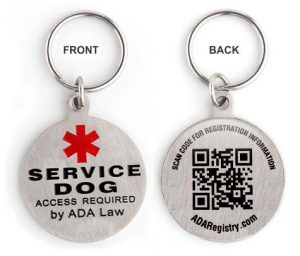
Service Dog Tags
Smart Tags

ESA TAGS