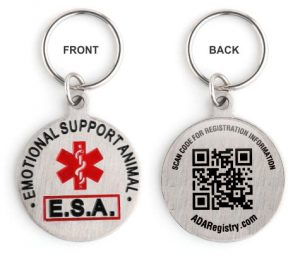
Norwegian Buhund as an Emotional Support Dog
Register Any Breed
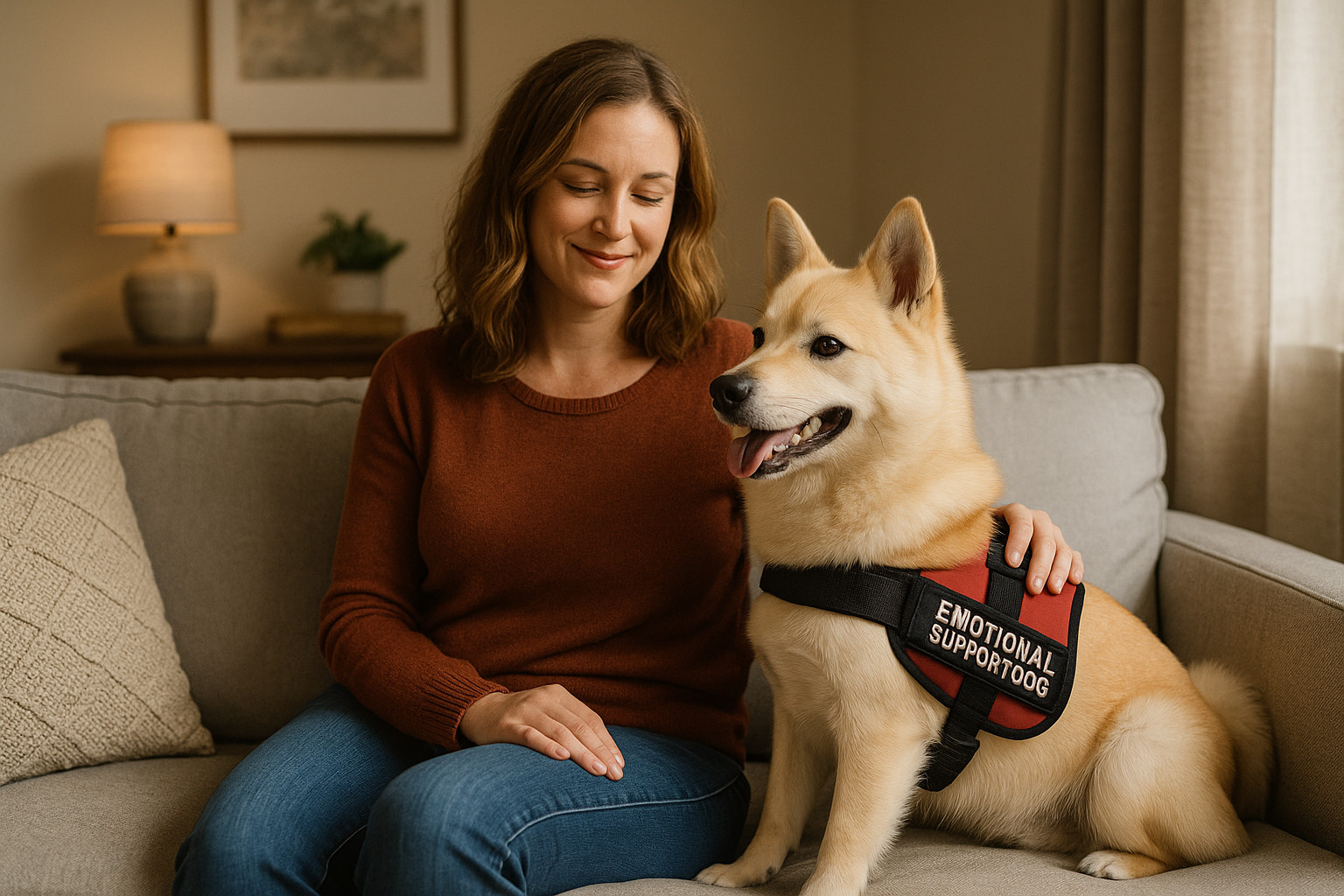
Emotional support animals (ESAs) play an invaluable role in providing comfort and companionship to individuals experiencing emotional or psychological distress. The Norwegian Buhund, with its unique temperament and traits, stands out as a remarkable candidate for this role. In this article, we will explore how the Norwegian Buhund excels as an emotional support dog, offering insights into their temperament, adaptability, and the environments where they thrive.
Understanding the Emotional Support Role
The role of an emotional support dog is to offer companionship, alleviate symptoms of stress or anxiety, and provide a calming presence. Unlike service dogs, ESAs are not trained for specific tasks but offer therapeutic benefits through their inherent characteristics.
Norwegian Buhund Overview
Originating from Norway, the Norwegian Buhund is a spitz-type dog known for its intelligence, energy, and loyalty. Traditionally used as herding and farm dogs, they have a deep-rooted history of companionship with humans, making them attuned to human emotions and behaviors.
Temperament and Emotional Connection
The temperament of the Norwegian Buhund is one of its greatest assets as an emotional support animal. They are:
- Affectionate and Loyal: These dogs form strong bonds with their owners and are naturally inclined to stay close, offering physical and emotional comfort.
- Sensitive and Empathetic: The Buhund’s ability to tune into human emotions is profound. They respond to emotional cues with attentiveness, often providing gentle nudges or snuggles to soothe distressed individuals.
- Positive Energy: Their generally happy disposition can help lighten the mood and reduce feelings of anxiety or depression.
Adaptability and Daily Behavior
Norwegian Buhunds are adaptable to various lifestyles and environments, a key trait for any ESA. Whether living in a bustling city apartment or a quiet rural home, they adjust well, provided they receive adequate mental and physical stimulation.
- Moderate Exercise Needs: While energetic, their exercise requirements can be met with daily walks and playtime, making them suitable for various activity levels.
- Social and Interactive: Their sociable nature means they generally get along well with other pets, children, and strangers, adding an extra layer of support in social settings.
Situations Where Norwegian Buhund Provides Strong Support
These dogs excel in providing comfort in various situations, particularly where consistent companionship and emotional stability are required:
- Anxiety Reduction: Their presence is calming, often easing symptoms related to anxiety disorders.
- Loneliness Alleviation: Their ability to remain close and attentive helps reduce feelings of isolation.
- Emotional Balance: Regular interactions with a Norwegian Buhund can help maintain emotional equanimity for individuals dealing with mood disorders.
Ideal Living Environments
The Norwegian Buhund is versatile and suits diverse living situations:
Register Any Breed
- Apartments: With proper exercise, they can thrive in apartment settings. Their relatively quiet nature (for a spitz breed) ensures they are not disruptive.
- Family Homes: They integrate well into family life, providing affection and companionship across all ages.
- Assisted Living Facilities: Their gentle and friendly demeanor makes them an excellent choice for residents seeking consistent emotional support.
Bonds with Different Types of People
One of the Buhund's strengths is its ability to bond with various individuals:
- Children and Families: Their playful, patient nature makes them a hit with kids, offering comfort and friendship.
- Seniors: Their moderate exercise needs and affectionate temperament make them well-suited for older adults seeking companionship.
- Individuals with Anxiety or Depression: Their intuitive nature helps alleviate emotional distress, providing consistent, non-judgmental support.
Health, Care, and Wellbeing
Ensuring the health and wellbeing of a Norwegian Buhund is crucial to their ability to serve effectively as an ESA.
Common Health Considerations
While generally healthy, the Buhund can be prone to certain breed-specific health issues that require attention:
- Hip Dysplasia: Regular veterinary check-ups and maintaining a healthy weight minimize the risks associated with this condition.
- Eye Conditions: Regular eye examinations help ensure any issues are caught early.
Grooming, Comfort, and Maintenance Needs
Grooming is an essential aspect of their care:
- Coat Care: Regular brushing (weekly) is necessary due to seasonal shedding.
- Nail and Dental Care: Routine nail trims and teeth cleaning are important for their overall health.
Preparing a Norwegian Buhund for Emotional Support Work
Preparing a Buhund for their role involves ensuring they are well-socialized and responsive to emotional cues:
Socialization and Responsiveness
- Early Socialization: Introducing them to diverse environments, people, and experiences from a young age ensures they grow into well-adjusted adults.
- Obedience Training: Basic obedience commands enhance their ability to provide support effectively and safely.
Managing Stress and Emotional Cues
Understanding their body language and emotional expressions is key to harnessing their support capabilities:
- Recognizing Stress Signs: Learning to identify when the Buhund is stressed ensures they are not overwhelmed in their support role.
- Promoting Closeness: Encouraging and rewarding calm, attentive behavior fosters their natural emotional support skills.
Strengths, Challenges, and Ideal Homes for Norwegian Buhund
While the Norwegian Buhund is an excellent candidate for emotional support roles, potential adopters should consider:
- Strengths: Empathy, energy, versatility, and sociability.
- Challenges: Energy can be challenging if not properly managed; requires mental stimulation.
- Ideal Homes: Homes where they are a valued companion, with opportunities for social interaction and exercise.
Final Thoughts
The Norwegian Buhund, with its unique blend of loyalty, empathy, and adaptability, offers profound benefits as an emotional support dog. Their presence provides emotional stability and companionship, making a significant positive impact on the lives of those they support. By understanding their needs and how best to integrate them into your life, these loving dogs can enhance emotional wellbeing and improve overall quality of life.
Key Takeaways for the Norwegian Buhund as an Emotional Support Dog
- Best suited for: Families, individuals needing emotional support, seniors, and those living in varied environments like apartments or family homes.
- Not ideal for: Extremely sedentary lifestyles or environments where they can't engage meaningfully.
- Emotional traits: Loyal, empathetic, affectionate, high energy levels conducive to active engagement.
- Care and health notes: Requires regular grooming, exercise, and health check-ups.
- Environments where they provide the most comfort: Homes where they can interact frequently with people, urban apartments with enough exercise, and assisted living facilities.


-
Public Access Kits
$149.00 Learn more This product has multiple variants. The options may be chosen on the product page -
Quick Ship Premium Vests
$48.00 – $82.00 Learn more This product has multiple variants. The options may be chosen on the product page -
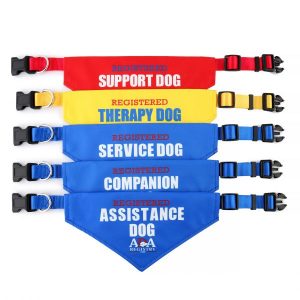
Service Dog Bandana
$39.95 Learn more This product has multiple variants. The options may be chosen on the product page
Custom ID Cards

Custom ID Cards
All States

Canada Cards

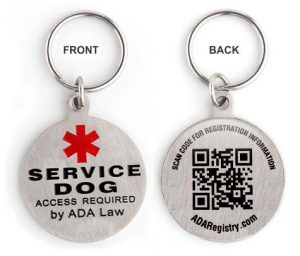
Custom Service Dog Tags
Official Dog Vests
Smart Vests
Official Public Access Kits
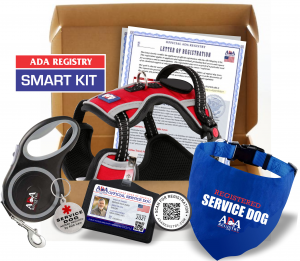
Complete Kits
USA & CANADA Letters
High Quality Bandanas
Service Dog Tags
Smart Tags

ESA TAGS