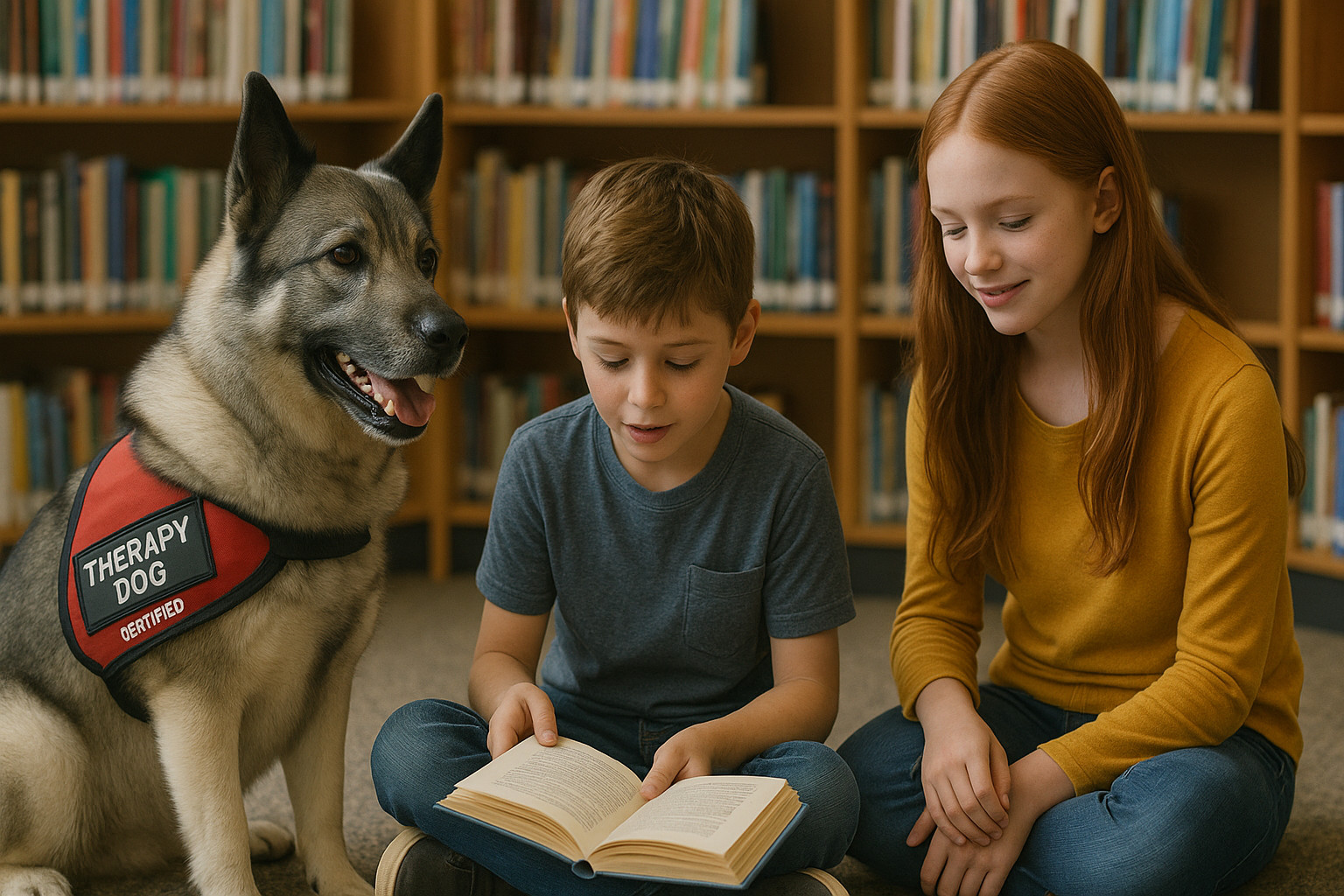
Norwegian Elkhound as a Therapy Dog
Register Any Breed
Norwegian Elkhound as a Therapy Dog Overview
The Norwegian Elkhound, known for its loyalty and versatility, is increasingly being recognized as a potential therapy dog due to its remarkable qualities and emotional intelligence. This article delves into the specifics of why the Norwegian Elkhound can excel in the role of a therapy dog, offering insights for trainers and healthcare professionals who wish to harness this breed's potential for therapeutic purposes.
Understanding the Therapy Dog Role
Therapy dogs provide comfort and support in various settings, from hospitals and nursing homes to schools and rehabilitation centers. These dogs are not trained to perform specific tasks like service dogs but are valued for their ability to offer emotional support and companionship. The Norwegian Elkhound, with its affectionate and attentive nature, can form strong bonds with people, making it a suitable candidate for therapy roles. Its intuitive understanding of human emotions allows it to respond effectively to the needs of individuals requiring emotional support.
Physical Appearance and Energy Level
The Norwegian Elkhound is a sturdy and muscular dog, characterized by its thick, weather-resistant coat, erect ears, and tightly curled tail. Standing at 19.5 to 20.5 inches tall and weighing between 48 and 55 pounds, its medium size makes it manageable in various environments, though its energetic nature requires regular exercise. This energy needs to be channeled effectively when serving as a therapy dog to ensure that the Elkhound is calm and focused during therapy sessions. Regular walks and playtime are necessary to keep the Elkhound balanced and prepared for its therapy duties.
Personality and Emotional Intelligence
Norwegian Elkhounds are known for their independence yet deeply affectionate nature. These dogs possess a high level of emotional intelligence, enabling them to sense and respond to emotional cues from humans. This sensitivity is crucial in a therapy setting, where understanding and reacting to human emotions can greatly impact the therapeutic experience. Their even temperament, matched with a gentle demeanor, allows them to form comforting connections with individuals, providing a calming presence in situations where emotional support is needed.
Environments Where Norwegian Elkhound Excels
The breed's adaptability allows it to thrive in various therapy settings. Norwegian Elkhounds can adjust well to different environments, from bustling hospitals to quiet counseling centers. Their medium size makes maneuvering through tight spaces easier, and their friendly nature enables them to engage positively with both individuals and groups. With proper training, an Elkhound can offer effective emotional support in diverse situations, providing comfort in settings that require a balance of confidence and calmness.
Common Therapy Settings
Norwegian Elkhounds have been found particularly effective in therapy settings such as:
- Hospitals and Clinics: Their calming presence can soothe patients and families.
- Nursing Homes: The Elkhound's friendly demeanor helps alleviate loneliness and depression among residents.
- Schools and Libraries: They can assist in stress reduction among children and help improve social skills.
- Rehabilitation Centers: Their motivational presence supports patients' recovery processes by encouraging engagement and activity.
Interactions with Different Populations
Their sociable nature allows Norwegian Elkhounds to interact positively with a broad demographic, from children to the elderly. They exhibit patience and tolerance, traits essential when working with fragile or unpredictable individuals. While they are gentle with children, they also provide a reassuring presence for adults facing emotional or physical challenges. Their ability to read social cues helps them adjust their behavior to suit each individual's needs, fostering trust and comfort during interactions.
Register Any Breed
Health and Wellness Factors
The health and wellness of a therapy dog are critical in ensuring safe and effective interactions. Norwegian Elkhounds typically enjoy good health but can be prone to hip dysplasia and eye problems. Regular veterinary check-ups and a balanced diet are imperative to maintain their overall health. Physical fitness through exercise helps manage their energy levels, reducing stress and aiding their focus during therapy sessions. Their dense coat requires regular grooming to ensure hygiene and comfort when visiting individuals in clinical or social settings.
Lifespan and Common Health Issues
Norwegian Elkhounds have a lifespan of 12 to 15 years, which ensures a long-term partnership as a therapy dog. However, they may face challenges such as:
- Hip Dysplasia: A common ailment in medium to large breeds, regular vet checks and maintaining a healthy weight are recommended.
- Eye Conditions: Regular monitoring for eye health helps prevent issues like progressive retinal atrophy.
- Thyroid Issues: Routine blood tests can help manage any potential thyroid imbalances.
Addressing these health concerns ensures they remain active and engaged during their service as therapy dogs.
Maintenance and Care Needs
Proper grooming is essential for the Norwegian Elkhound, whose thick double coat requires regular brushing to prevent matting and manage shedding. Regular grooming sessions not only promote cleanliness but also provide opportunities for bonding. Basic grooming includes:
- Brushing: Ideally two to three times a week.
- Bathing: As needed, usually every few months.
- Nail Trimming: Regular trimming to avoid discomfort.
Attention to their grooming helps maintain a pleasing appearance and hygiene, critical for therapy dog engagements.
Training and Certification Readiness
Norwegian Elkhounds are highly trainable, but their independent streak can require patience and consistency. Positive reinforcement methods, such as treats and praises, work effectively. To become therapy certified, an Elkhound must demonstrate obedience and the ability to remain calm in various situations. They should undergo:
- Basic Obedience Training: Mastering commands like sit, stay, and come.
- Advanced Therapy Dog Training: Exposure to different environments and stimulus control.
Certifications from organizations such as the Alliance of Therapy Dogs or Pet Partners validate their readiness for therapy roles.
Learning Style and Responsiveness
With an intelligent mind and eagerness to please, Norwegian Elkhounds learn quickly when training is engaging. They thrive on mental stimulation, so incorporating agility exercises and problem-solving games can enhance their learning experience. Their responsiveness to human cues aids in associating commands with behaviors, crucial for reliable performance in therapy settings.
Handling Social and Emotional Stimuli
Handling a range of human emotions is where Norwegian Elkhounds excel. They naturally attune to emotional shifts, providing comfort through their gentle interactions. In therapy settings, they can quickly discern the appropriate response, whether it's offering physical contact or simply being a calming presence. Their emotional resilience allows them to manage the demands of therapy work without becoming overstressed.
Strengths, Limitations, and Ideal Roles for Norwegian Elkhound
The Norwegian Elkhound's strengths as a therapy dog include its loyalty, adaptability, and emotional intelligence. However, potential limitations could arise due to their independent nature and the need for regular exercise, which might not suit all therapeutic environments. Ideal therapy roles for this breed include:
- Emotional Support in Clinical Settings: Where their calming energy is needed.
- Educational Environments for Children: Their playful yet gentle nature aids in improving social interactions.
- Companionship in Long-term Care Facilities: Offering consistent emotional support to the elderly.
Final Thoughts
The Norwegian Elkhound, with its multifaceted personality and inherent empathy, is a remarkable choice for therapy roles. This breed's ability to connect with humans on an emotional level, balanced with its physical adaptability, makes it an ideal candidate for enriching the lives of those in need of comfort and companionship.
Key Takeaways for the Norwegian Elkhound as a Therapy Dog
- Best suited for: Clinical, educational, and long-term care settings.
- Not ideal for: Environments requiring minimal physical activity due to their energetic nature.
- Temperament highlights: Loyal, intuitive, independent yet affectionate.
- Care and health notes: Require regular grooming and exercise; watch for hip and eye health issues.
- Therapy environments where they shine: Hospitals, schools, nursing homes, and rehabilitation centers.
This comprehensive guide offers an insightful look into how Norwegian Elkhounds can be cultivated into exceptional therapy dogs, enriching human lives with their unique presence and abilities.


-
Public Access Kits
$149.00 Learn more This product has multiple variants. The options may be chosen on the product page -
Quick Ship Premium Vests
$48.00 – $82.00 Learn more This product has multiple variants. The options may be chosen on the product page -
Service Dog Bandana
$39.95 Learn more This product has multiple variants. The options may be chosen on the product page
Custom ID Cards

Custom ID Cards
All States

Canada Cards

Custom Service Dog Tags

Official Dog Vests

Smart Vests
Official Public Access Kits

Complete Kits
USA & CANADA Letters
High Quality Bandanas

Service Dog Tags
Smart Tags

ESA TAGS