Norwegian Elkhound as an Emotional Support Dog
Register Any Breed
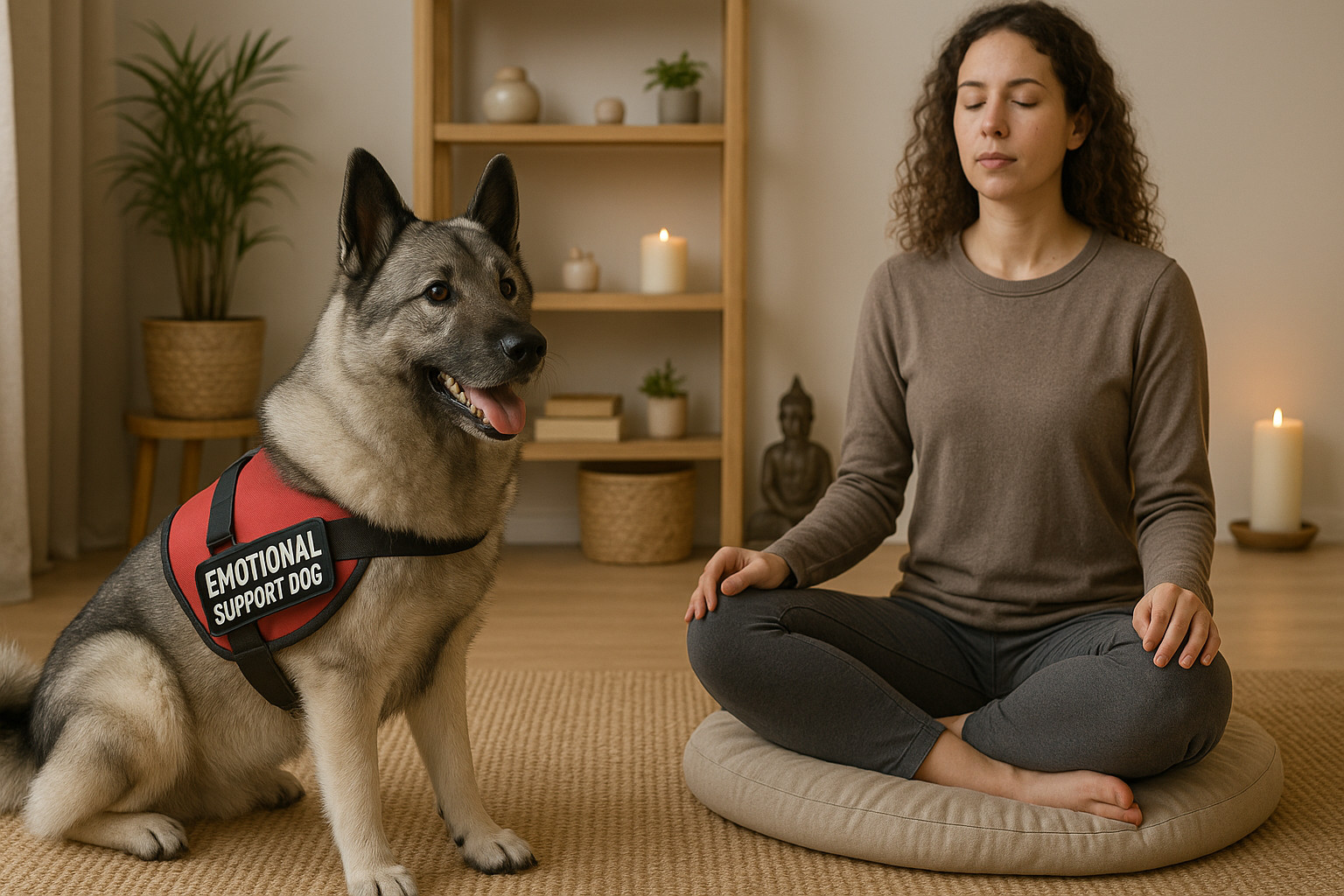
In the world of emotional support animals (ESAs), the Norwegian Elkhound stands out due to its unique blend of temperament and empathy. This devoted breed not only offers unwavering companionship but also provides emotional stability. This article explores how the Norwegian Elkhound can excel as an emotional support dog and enhance the wellbeing of those in need of emotional healing and companionship.
Understanding the Emotional Support Role
Emotional support animals serve a crucial role in the mental health landscape. Unlike service dogs, their main duty is not to perform specific tasks, but to provide comfort and alleviate symptoms of emotional or psychological conditions. A strong emotional connection between the ESA and the individual they support is pivotal. The Norwegian Elkhound shines in this regard, thanks to their innate empathy, loyalty, and affection, presenting an ideal candidate for such roles.
Norwegian Elkhound Overview
The Norwegian Elkhound is a medium-sized, Spitz-type breed originating from Norway, historically used for hunting and guarding. Known for its wolf-like appearance, dense coat, and curled tail, the Elkhound is both striking and robust. Their average lifespan ranges from 12 to 15 years, offering many years of companionship.
Temperament and Emotional Connection
One of the standout features of the Norwegian Elkhound is its personable nature. They are known for being affectionate, loyal, and strong-willed. These dogs tend to form deep bonds with their human companions, which is essential for providing emotional support. Their ability to read and respond to human emotions stems from their high intelligence and sensitive nature.
- Empathy and Sensitivity: Norwegian Elkhounds have an innate ability to pick up on and respond to human emotions, making them adept at comforting individuals experiencing stress, anxiety, or loneliness.
- Loyal Companionship: Their strong loyalty ensures they stay close to their owner, providing comfort simply by being present.
Adaptability and Daily Behavior
Norwegian Elkhounds are known for their adaptability to different living conditions and routines. Their behavior is generally stable, making them reliable companions for those needing emotional support.
- Activity Levels: They require regular exercise, which can help individuals integrate physical activity into their routines, benefiting both physical and mental health.
- Routine and Stability: These dogs thrive in environments with consistent routines, helping to create structure for those who might need it.
Situations Where Norwegian Elkhound Provides Strong Support
The Elkhound's presence can dramatically reduce feelings of loneliness and anxiety, making them ideal for numerous scenarios:
- Stressful Situations: Whether adapting to a new environment or coping with stress, the Norwegian Elkhound offers calming presence.
- Support for Major Life Changes: They provide stability and comfort during transitions such as moving homes, changing jobs, or experiencing personal losses.
Ideal Living Environments
While adaptable, the Norwegian Elkhound's characteristics thrive best in certain environments, facilitating its role as an emotional support animal:
Register Any Breed
- Family Homes: These dogs make excellent family pets, enjoying interaction with multiple people, which can help in supporting individuals in family settings.
- Homes with a Yard: While adaptable to apartment living if sufficiently exercised, they truly thrive in homes with outdoor space, where they can explore safely and enjoy physical activity.
Bonds with Different Types of People
The Norwegian Elkhound tends to build strong connections with various individuals, from single adults to whole families, and even assistance in eldercare settings:
- Children and Families: Patient and gentle, they bond well with children, providing emotional support to young family members.
- Adults and Seniors: Their calm demeanor and engaging nature make them suitable companions for older adults seeking calm, consistent companionship.
Health, Care, and Wellbeing
Maintaining the well-being of a Norwegian Elkhound is essential for them to effectively fulfill their emotional support role.
Common Health Considerations
The breed is generally healthy, but certain conditions such as hip dysplasia and progressive retinal atrophy may arise.
- Regular Vet Check-ups: Ensuring regular health screenings can detect issues early, ensuring the Elkhound remains healthy and able to provide support.
Grooming, Comfort, and Maintenance Needs
Regular grooming of the Norwegian Elkhound is essential, as it contributes to both dog and owner comfort.
- Coat Care: Their dense double coat requires regular brushing to prevent matting and to manage shedding.
- Hygiene Practices: Routine grooming sessions can also be a calming activity for both owner and dog, reinforcing their bond.
Preparing a Norwegian Elkhound for Emotional Support Work
Correct preparation is paramount for a Norwegian Elkhound to effectively serve as an emotional support animal.
Socialization and Responsiveness
Proper socialization ensures that the Norwegian Elkhound is well-behaved and adaptable to various situations.
- Positive Training: Utilizing positive reinforcement helps in fostering responsiveness and building trust.
- Exposure to Environments: Gradual exposure to different environments and scenarios ensures they remain calm and supportive.
Managing Stress and Emotional Cues
It’s crucial that a Norwegian Elkhound can manage its own and others’ stress to effectively support its handler.
- Calm Demeanor Training: Teaching the Elkhound to remain relaxed during stressful times ensures it can provide the necessary support.
- Observing Behavior Changes in Owner: Training them to recognize and respond to their owner’s emotional cues strengthens their support role.
Strengths, Challenges, and Ideal Homes for Norwegian Elkhound
Overall, the Norwegian Elkhound possesses numerous strengths, with a few caveats, to consider:
- Strengths: Their empathy, adaptability, and strong bonding capabilities make them excellent emotional support dogs.
- Challenges: They require consistent grooming and space to exercise.
- Ideal Homes: Best suited for individuals or families with time and resources to commit to their care.
Final Thoughts
The Norwegian Elkhound excels as an emotional support animal, thanks to its empathetic nature and loyal companionship. Ideal for a range of individuals and living situations, they provide much-needed comfort and stability in the lives of those they support.
Key Takeaways for the Norwegian Elkhound as an Emotional Support Dog
- Best suited for: Families, individuals in need of routine and emotional companionship.
- Not ideal for: Those unable to meet exercise or grooming needs.
- Emotional traits: Loyal, empathetic, and responsive.
- Care and health notes: Requires regular exercise, grooming, and health check-ups.
- Environments where they provide the most comfort: Family homes, environments with structured routine, open spaces for play.


-
Public Access Kits
$149.00 Learn more This product has multiple variants. The options may be chosen on the product page -
Quick Ship Premium Vests
$48.00 – $82.00 Learn more This product has multiple variants. The options may be chosen on the product page -
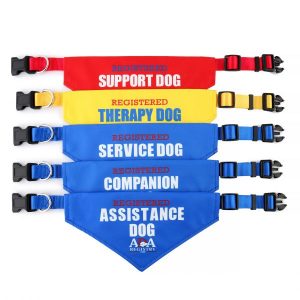
Service Dog Bandana
$39.95 Learn more This product has multiple variants. The options may be chosen on the product page
Custom ID Cards

Custom ID Cards
All States

Canada Cards

Custom Service Dog Tags
Official Dog Vests

Smart Vests
Official Public Access Kits
Complete Kits
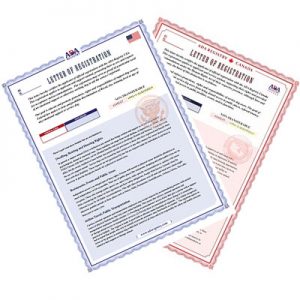
USA & CANADA Letters
High Quality Bandanas
Service Dog Tags
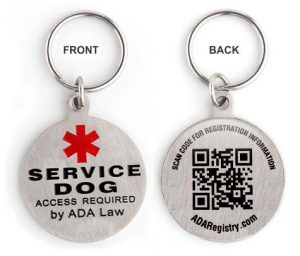
Smart Tags

ESA TAGS