Norwegian Lundehund as a Service Dog
Register Any Breed
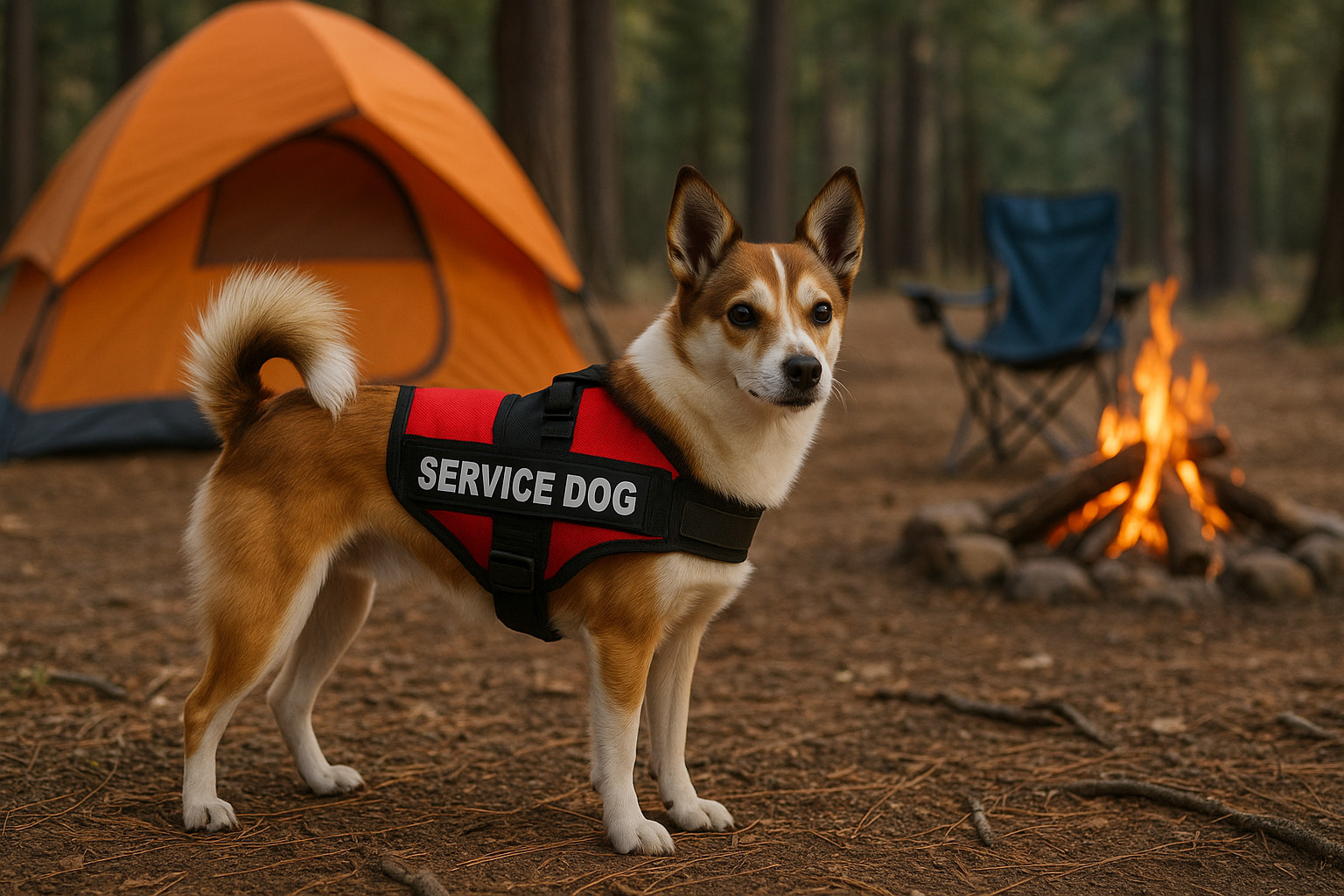
The Norwegian Lundehund, with its unique physical traits and intriguing history, is not a common choice for a service dog. However, understanding the breed's characteristics, temperament, and capabilities can guide you in determining if this rare dog would be suitable for a particular type of service work. This guide provides a comprehensive look at the Norwegian Lundehund and its potential as a service dog.
Norwegian Lundehund Overview
The Norwegian Lundehund is a distinct breed from Norway, originally bred for the purpose of puffin hunting. Known for its extraordinary physical features, the Lundehund stands out not just for its appearance but also for its adaptable nature, even though it might not fit the conventional mold of a service dog.
Physical Characteristics
The Norwegian Lundehund is a small to medium-sized dog, typically weighing between 13–15 pounds and standing about 12–15 inches tall. Its most notable physical trait is its six-toed feet on each paw, which historically provided extra traction on rocky cliffs where puffins nest. These toes, combined with their highly flexible neck and shoulders, make them highly agile and capable of navigating complex terrains.
- Size: Small to medium-sized; suited for indoor living and convenient transport.
- Agility: Exceptional with multiple toes for enhanced grip and stability.
- Flexibility: Neck and shoulder joints allow the head to bend backward along the spine.
Their small size and agility may be beneficial in certain types of service dog work where maneuverability and maintaining low visibility are important. However, their size can also be a limiting factor for tasks requiring strength or carrying capabilities.
Temperament and Attitude
The temperament of the Norwegian Lundehund is marked by a friendly, alert, and sometimes independent nature. They are known for being somewhat reserved with strangers but generally form strong bonds with their families.
- Alertness: Keen senses make them good at responding to environmental changes or triggers.
- Independence: Can be a challenge during training as they may exhibit stubbornness.
- Sociability: Bonds deeply with owners but may show aloofness to strangers, impacting public work.
This breed’s alertness might be advantageous in scenarios needing environmental awareness. However, their tendency towards independence and potential reservation might pose challenges in situations requiring frequent interaction with strangers or extremely cooperative tasks.
Types of Service Work
Given the Norwegian Lundehund's unique characteristics and temperament, their suitability for service work varies:
Register Any Breed
- Medical Alert: Their keen senses might be trained to detect specific medical conditions, though this is more challenging given their independent nature.
- Therapy: With proper socialization, their affectionate bonds could be helpful in therapeutic settings, providing emotional support.
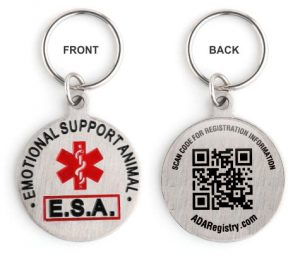
- Emotional Support Animal (ESA): They can excel as ESAs, offering comfort and companionship to those in need.
Their small size and surprising agility might not make them ideal for traditional roles like mobility assistance or guide work, which often require larger breeds capable of supporting weight or guiding with physical strength.
Health Considerations
The Norwegian Lundehund is prone to certain genetic health concerns that could impact its service capabilities:
- Lundehund Syndrome: A group of gastrointestinal disorders that require specific dietary management.
- Regular vet checks are crucial to monitor and manage potential health issues that could affect their work or quality of life.
These conditions could limit their availability for tasks that require long hours or high physical demands, as they may need frequent breaks or specific care regimens.
Training and Suitability
Training a Norwegian Lundehund as a service dog presents several unique challenges and considerations:
- Trainability: They are intelligent but can be stubborn, requiring patience and consistency in their training regimen.
- Socialization: Essential to ensure they are comfortable around strangers and in various environments. Exposure to different stimuli is key to their development as service dogs.
- Task Training: Focus on tasks that leverage their keen senses and agility, like alerting to specific sounds or signals rather than physical tasks.
Their intelligence and need for engagement mean they require an experienced handler, and training should emphasize positive reinforcement techniques tailored to maintain their interest and cooperation.
Summary of Norwegian Lundehund
In summary, the Norwegian Lundehund's unusual characteristics require careful consideration when evaluating their potential as service dogs. Here is a summary of their strengths, weaknesses, and ideal roles:
- Strengths:
- Keen senses and alertness
- Affectionate and bonds with family
- Agile and maneuverable
- Weaknesses:
- Health issues requiring specific care
- Independence leading to potential training challenges
- Aloofness around strangers, impacting public interactions
- Ideal Service Roles:
- Medical alert with strong handler involvement
- Emotional support and therapy roles
While the Norwegian Lundehund might not be the first choice for traditional service roles, they can excel in specific, niche service capacities where their unique traits become advantages rather than obstacles. With the right training and management, they could offer invaluable assistance to those in need of companionship and alert-focused tasks.


-
Public Access Kits
$149.00 Learn more This product has multiple variants. The options may be chosen on the product page -
Quick Ship Premium Vests
$48.00 – $82.00 Learn more This product has multiple variants. The options may be chosen on the product page -
Service Dog Bandana
$39.95 Learn more This product has multiple variants. The options may be chosen on the product page
Custom ID Cards

Custom ID Cards
All States
Canada Cards
Custom Service Dog Tags
Official Dog Vests
Smart Vests
Official Public Access Kits
Complete Kits
USA & CANADA Letters
High Quality Bandanas
Service Dog Tags
Smart Tags
ESA TAGS