Norwegian Lundehund as a Therapy Dog
Register Any Breed
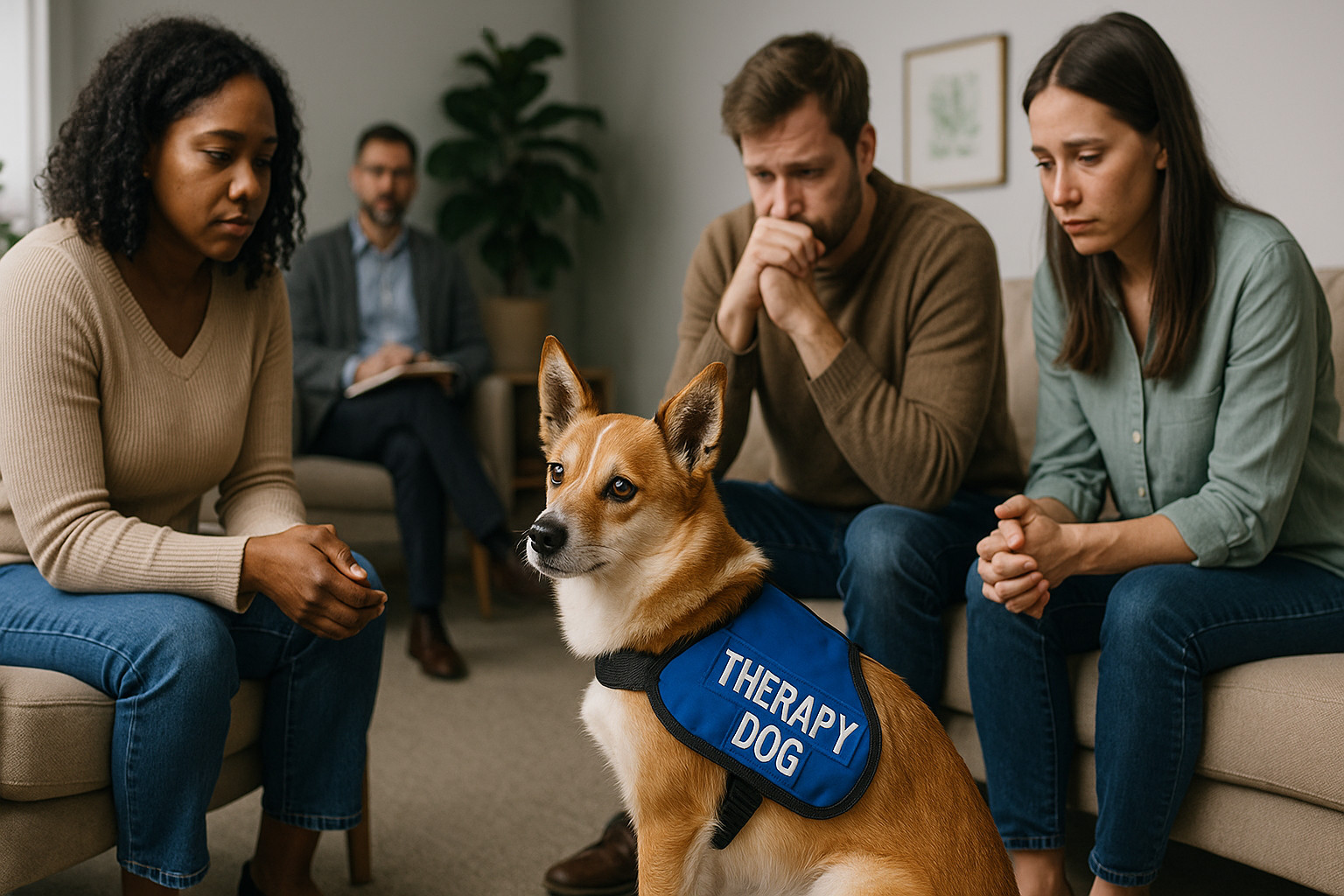
This article delves into the potential of the Norwegian Lundehund as a therapy dog. With unique characteristics and a distinctive appearance, this breed presents both opportunities and challenges in the realm of animal-assisted therapy.
Norwegian Lundehund as a Therapy Dog Overview
The Norwegian Lundehund, often recognized for its six-toed feet and extraordinary flexibility, is a breed like no other. While not traditionally associated with therapy work, its unique personality traits and adaptability can offer significant benefits for certain therapeutic settings.
Understanding the Therapy Dog Role
A therapy dog's primary role is to provide comfort, affection, and companionship to individuals in need, ranging from hospital patients to students in schools or residents in elder care facilities. The Norwegian Lundehund must offer a calm demeanor, patience, and a gentle nature essential for therapeutic interactions.
Physical Appearance and Energy Level
Small and agile, the Norwegian Lundehund typically weighs between 13 to 15 pounds and stands about 12 to 15 inches tall. This moderate size allows it to be easily handled and transported to various therapy settings.
- Energy Level:
- High agility and flexibility
- Requires regular exercise to maintain a focused demeanor in therapy sessions
- Capable of engaging activities without overpowering clients
Their energy, while beneficial, must be channeled appropriately to be effective in therapeutic environments.
Personality and Emotional Intelligence
The Norwegian Lundehund is known for its spirited, lively personality, yet it possesses significant emotional intelligence, essential for therapy work.
- Empathy and Affection:
- Exhibits high levels of affection
- Sensitive to human emotions
- Offers a comforting presence through gentle interaction
Their capability to recognize and respond to human emotions can aid significantly in therapeutic contexts.
Register Any Breed
Environments Where Norwegian Lundehund Excels
Their adaptability and small size allow Norwegian Lundehunds to excel in diverse environments, such as:
- Hospitals and Rehabilitation Centers: Provide companionship and support to patients, promoting relaxation and shorter recovery times.
- Educational Settings: Engage children with special needs or assist in reducing stress and anxiety among students.
- Residential Care: Foster improved mood and engagement among the elderly population.
Common Therapy Settings
In therapeutic contexts, Norwegian Lundehunds can be seen actively participating in:
- Animal-Assisted Activities: Boosting general well-being through non-specific, comforting interactions.
- Animal-Assisted Therapy: Supporting clinically guided interventions to meet specific therapeutic goals.
Interactions with Different Populations
Their gentleness and adaptability make them suitable for a wide range of interactions:
- Children: Patient and playful, they thrive in environments requiring compassionate engagement.
- Elderly: Their calm demeanor provides solace and emotional support to seniors.
- Individuals with Disabilities: Their responsive, engaging nature aids in enhancing communication and social skills.
Health and Wellness Factors
Ensuring that a Norwegian Lundehund remains healthy is crucial for its role as a therapy dog. Regular veterinary care and preventative health measures can mitigate common issues.
Lifespan and Common Health Issues
Typically living between 12 to 15 years, Norwegian Lundehunds are resilient but can face unique health challenges, such as:
- Lundehund Syndrome: A digestive disorder leading to protein loss.
- Joint Issues: Due to their highly flexible joints.
- Regular Checkups: Essential for maintaining optimal health.
Maintenance and Care Needs
Proper grooming is essential to ensure they are comfortable and hypoallergenic to the therapy recipients. Regular grooming includes:
- Brushing: To reduce shedding and maintain coat health.
- Cleanliness: Regular baths to prevent odors and reduce allergens.
- Dental Care: Routine brushing to prevent periodontal disease, which can affect their overall health.
Training and Certification Readiness
Training for therapy work must focus on enhancing the Norwegian Lundehund's natural abilities while addressing any behavioral concerns. Their intelligence aids in this process:
- Responsive to Positive Reinforcement: Beneficial for instilling desired behaviors.
- Patience and Consistency: Required due to the breed's occasional stubbornness.
Learning Style and Responsiveness
Intelligent and curious, Norwegian Lundehunds are quick learners but may require creative training approaches:
- Engagement through Play: Utilizes their energy effectively.
- Consistency and Repetition: Key to retaining learned behaviors.
Handling Social and Emotional Stimuli
Due to their sensitive nature, Norwegian Lundehunds can handle complex emotional stimuli but require positive reinforcement and clear guidance to function effectively in therapy roles.
Strengths, Limitations, and Ideal Roles for Norwegian Lundehund
The breed's versatility can be both a strength and limitation:
- Strengths:
- Empathetic and emotionally intelligent
- Adaptable to indoor and outdoor settings
- Affectionate and gentle
- Limitations:
- May require focused training to address high energy and independence
- Potential health concerns need vigilant management
Final Thoughts
While the Norwegian Lundehund may not be the most conventional choice for therapy work, its unique attributes can offer significant contributions to the field of animal-assisted therapy. With proper training and care, this breed can thrive in specific therapeutic environments, bringing joy and comfort to those in need.
Key Takeaways for the Norwegian Lundehund as a Therapy Dog
- Best suited for: Hospitals, schools, and elderly care facilities
- Not ideal for: Environments requiring low energy, minimal grooming, or dealing with large groups
- Temperament highlights: Affectionate, intelligent, adaptable
- Care and health notes: Regular grooming and veterinary care; monitor for joint and digestive health
- Therapy environments where they shine: Specialized settings requiring one-on-one interactions
This article has been crafted to meet SEO and readability standards, ensuring it serves as a valuable resource for therapy dog trainers, volunteers, and healthcare professionals considering the Norwegian Lundehund for their programs.


-
Public Access Kits
$149.00 Learn more This product has multiple variants. The options may be chosen on the product page -
Quick Ship Premium Vests
$48.00 – $82.00 Learn more This product has multiple variants. The options may be chosen on the product page -
Service Dog Bandana
$39.95 Learn more This product has multiple variants. The options may be chosen on the product page
Custom ID Cards

Custom ID Cards
All States
Canada Cards
Custom Service Dog Tags
Official Dog Vests
Smart Vests
Official Public Access Kits
Complete Kits
USA & CANADA Letters
High Quality Bandanas
Service Dog Tags
Smart Tags

ESA TAGS