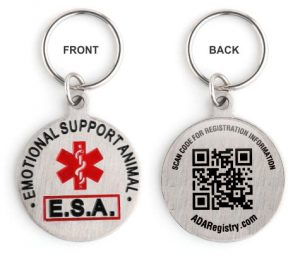
Norwich Terrier as a Therapy Dog
Register Any Breed
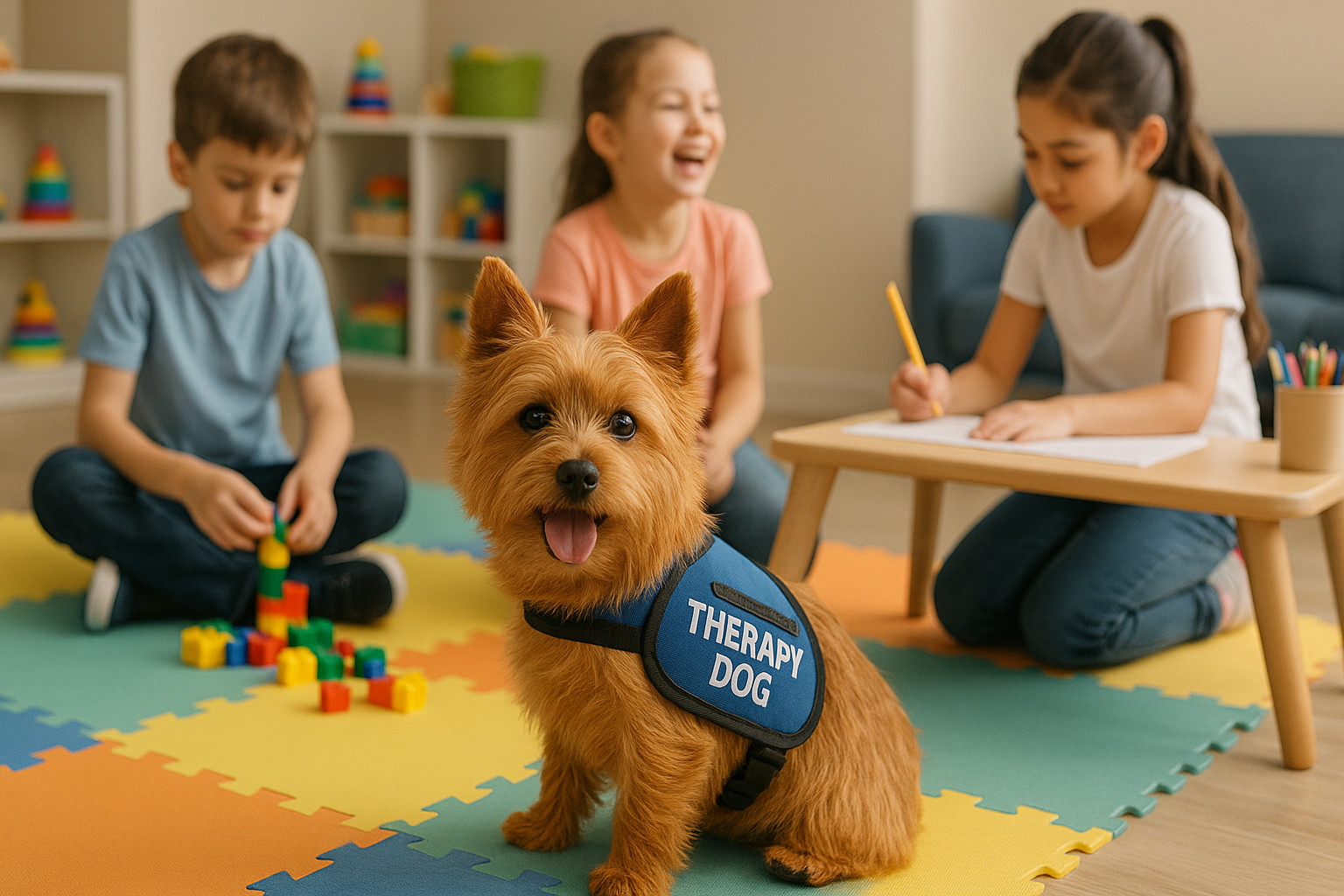
Norwich Terrier as a Therapy Dog Overview
The Norwich Terrier, known for its spunky disposition and resilient nature, has increasingly found its place in the world of therapy dogs. Despite its small stature, this breed brings a big heart to the table, making it a noteworthy companion for therapeutic settings. In this article, we will delve into the distinct characteristics that make the Norwich Terrier a suitable candidate for therapy work and understand the environments where these dogs excel in providing emotional support and comfort.
Understanding the Therapy Dog Role
Therapy dogs provide emotional and psychological support to individuals in various settings, engaging with people of all ages and backgrounds. Unlike service dogs, which are trained to perform specific tasks for individuals with disabilities, therapy dogs visit hospitals, schools, and nursing homes to offer comfort through gentle interaction. The success of a therapy dog hinges on traits like temperament, adaptability, emotional intelligence, and the ability to remain calm in mixed settings — characteristics where the Norwich Terrier shines.
Physical Appearance and Energy Level
The Norwich Terrier is a compact, robust dog known for its energetic nature. Weighing between 11 to 12 pounds and standing at approximately 10 inches tall, their small size enables easy maneuverability in crowded spaces such as hospital corridors or school rooms. Despite their size, they possess a high energy level and vigor, fundamental for engaging activities during therapy visits. Their alert and expressive eyes contribute to making immediate emotional connections with people, facilitating impactful interactions.
Personality and Emotional Intelligence
Known for their affectionate nature and spirited demeanor, Norwich Terriers possess a high degree of emotional intelligence, crucial for therapy contexts. They show an innate ability to read human emotions, responding with comforting behavior that can help alleviate stress and anxiety. Their affectionate personalities make them excellent at forming swift bonds, crucial in therapy interactions where establishing trust and emotional connection quickly is imperative.
Environments Where Norwich Terrier Excels
The adaptable nature of the Norwich Terrier allows it to thrive in diverse environments. Whether visiting a bustling hospital or a quiet library setting, this breed adapts well, showcasing versatility and eagerness to engage. Their small size and easy portability make them particularly effective in settings with limited space or in one-on-one sessions where more personal interaction is beneficial.
Common Therapy Settings
Common settings where Norwich Terriers excel include:
- Hospitals and Rehabilitation Centers: Their gentle and cheerful presence offers comfort to patients undergoing medical treatment.
- Schools: Their playful yet calm demeanor helps children relax and develop social interaction skills.
- Nursing Homes: The breed provides much-needed companionship to elderly residents, often evoking joy and reducing feelings of loneliness.
Interactions with Different Populations
Norwich Terriers are capable of interacting positively with a diverse range of populations. Their intuitive nature allows them to adjust their behavior based on the individual’s needs:
Register Any Breed
- Children: Playful yet gentle, they engage in non-threatening interactions that promote joy and comfort.
- Elderly: Their comforting presence and low-maintenance needs make them ideal companions for older adults.
- Patients with Special Needs: The breed’s ability to adapt and remain composed helps in providing a calming effect, especially beneficial in therapeutic and educational settings.
Health and Wellness Factors
Health and well-being are critical factors in a therapy dog’s effectiveness. Norwich Terriers, generally robust with a lifespan of 12 to 15 years, require regular veterinary check-ups to maintain optimal health. Though generally healthy, potential health issues such as hip dysplasia or patellar luxation should be monitored closely to prevent them from interfering with therapy work. Regular grooming ensures the dog remains comfortable and helps to foster positive interactions with those they are meant to support.
Lifespan and Common Health Issues
The Norwich Terrier’s lifespan and health are well-suited to therapy work with a typical expectancy of 12 to 15 years. Common health issues may include dental problems and a predisposition to certain genetic conditions, which require monitoring:
- Dental disease: Regular teeth cleaning is essential to prevent gum disease.
- Genetic conditions: Awareness and early detection are vital to managing health effectively.
Maintenance and Care Needs
Maintaining a Norwich Terrier for therapy work involves routine grooming to keep their wiry coat clean and their appearance tidy. This routine includes regular brushing and occasional professional grooming to ensure their comfort and hygiene, critical in settings where cleanliness is paramount. The breed also benefits from consistent exercise to manage their energy levels, aiding their work as therapy dogs where calmness and composed energy are ideal.
Training and Certification Readiness
Training and certification are crucial steps in preparing a Norwich Terrier for therapy work. This breed displays high trainability due to its intelligence and willingness to please. Basic obedience training establishes a foundation for more specialized therapy dog certifications, often focusing on socialization and exposure to diverse environments to assess and enhance adaptability.
Learning Style and Responsiveness
Norwich Terriers respond well to positive reinforcement training, characterized by rewards and praise for desired behaviors. Their eagerness to learn and participatory nature facilitates quick comprehension and retention of commands, making them responsive candidates for therapy certification processes.
Handling Social and Emotional Stimuli
Therapy environments often present a variety of emotional and social stimuli. Norwich Terriers’ empathetic and gentle nature allows them to navigate these stimuli adeptly, providing therapeutic support by offering unconditional affection and presence. This breed’s capacity to remain tranquil and approachable during emotionally charged interactions enhances its effectiveness as a therapy dog.
Strengths, Limitations, and Ideal Roles for Norwich Terrier
Although the Norwich Terrier possesses numerous strengths beneficial to therapy work, such as its sociability, adaptability, and manageable size, potential limitations like occasional stubbornness and attention needs must be considered. Ideal roles for this breed include engaging in low-stress settings where their energies and personalities are well-suited to providing comfort and companionship without overwhelming demands on their patience.
Final Thoughts
In conclusion, the Norwich Terrier presents unique attributes that make it an exemplary choice for therapy work. Its blend of energy, intelligence, and emotional sensitivity delivers notable therapeutic benefits in a range of settings. Understanding the breed’s strengths and challenges ensures that their potential can be maximized, making them faithful and effective partners in therapy endeavors.
Key Takeaways for the Norwich Terrier as a Therapy Dog
- Best suited for: Low-stress therapy settings such as schools and nursing homes.
- Not ideal for: High-stress environments that require high levels of endurance and patience.
- Temperament highlights: Energetic, affectionate, adaptable, with high emotional intelligence.
- Care and health notes: Requires regular grooming; monitor for common genetic health issues.
- Therapy environments where they shine: Hospitals, schools, nursing homes, and one-on-one interaction settings.
This article aims to serve as an insightful resource for potential therapy dog trainers, volunteers, and healthcare professionals considering the Norwich Terrier as a vibrant addition to their therapeutic team.


-
Public Access Kits
$149.00 Learn more This product has multiple variants. The options may be chosen on the product page -
Quick Ship Premium Vests
$48.00 – $82.00 Learn more This product has multiple variants. The options may be chosen on the product page -
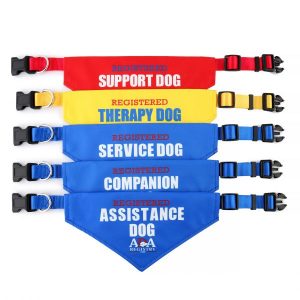
Service Dog Bandana
$39.95 Learn more This product has multiple variants. The options may be chosen on the product page
Custom ID Cards

Custom ID Cards
All States
Canada Cards
Custom Service Dog Tags
Official Dog Vests
Smart Vests
Official Public Access Kits
Complete Kits
USA & CANADA Letters
High Quality Bandanas
Service Dog Tags
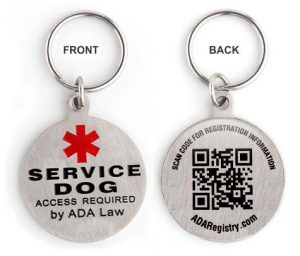
Smart Tags

ESA TAGS