Otterhound as an Emotional Support Dog
Register Any Breed
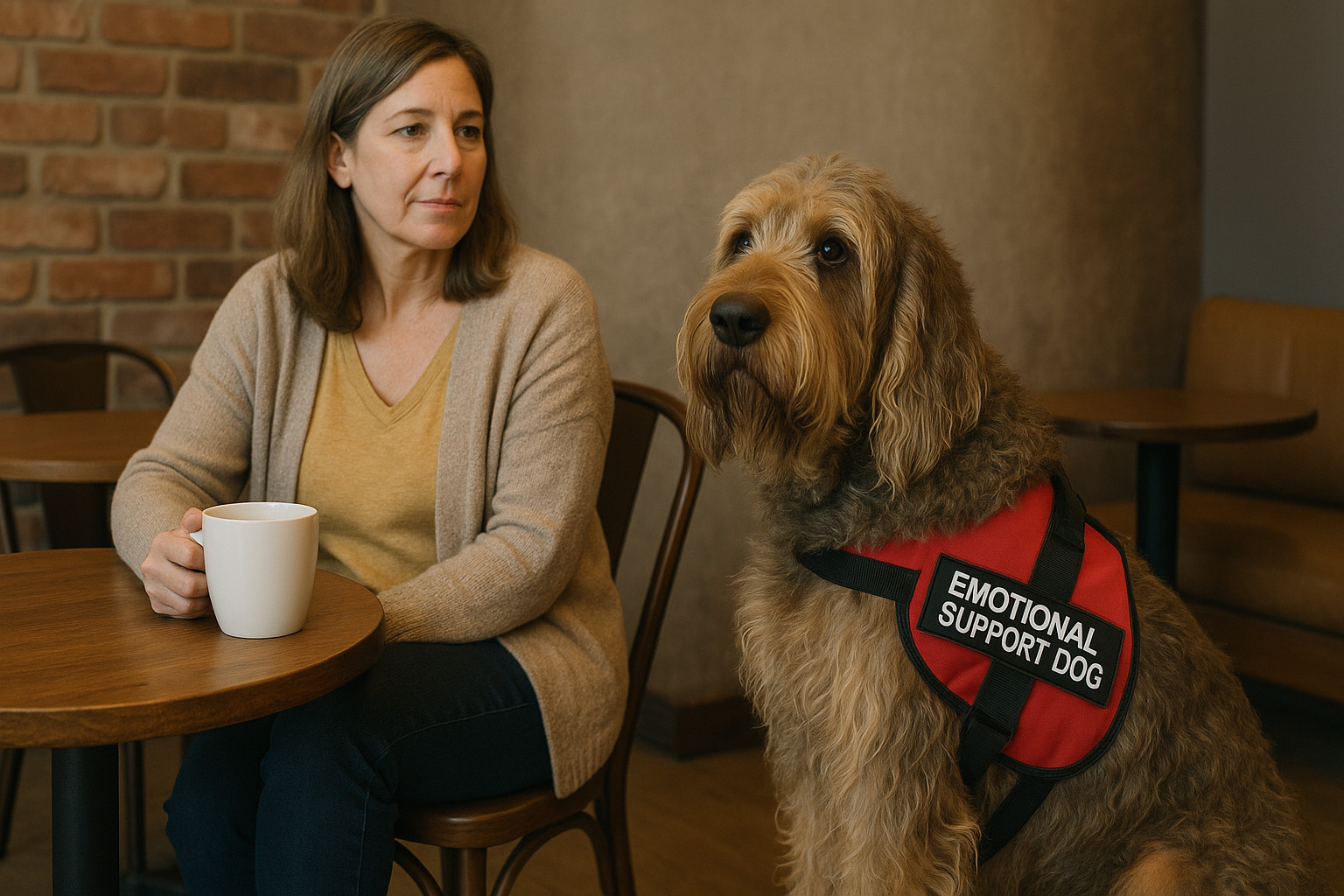
The Otterhound, a rare and majestic breed, is known for its distinctive appearance and amiable nature. While traditionally bred for hunting, the Otterhound possesses qualities that make it an excellent candidate for emotional support. In this guide, we will explore the suitability of the Otterhound as an emotional support dog, highlighting its unique abilities to comfort and provide companionship to individuals in need.
Understanding the Emotional Support Role
Emotional Support Animals (ESAs) offer comfort and support to individuals with mental health challenges such as anxiety, depression, and PTSD. Unlike service dogs, ESAs do not perform specific tasks but provide therapeutic benefits through companionship. Here, the Otterhound's natural disposition for emotional connection comes into play.
Otterhound Overview
The Otterhound is a large, friendly breed originally developed in England for otter hunting. Known for their dense, weather-resistant coats and soulful expressions, Otterhounds are gentle giants with a sociable nature. Their keen sense of smell and inquisitiveness adds to their charm.
Temperament and Emotional Connection
Otterhounds have a reputation for being good-natured, which is vital in an emotional support role. Their innate ability to form strong bonds with their human companions makes them exceptionally empathetic. Otterhounds often exhibit:
- A gentle, patient demeanor, ideal for calming anxious individuals
- Strong loyalty and a natural inclination to stay close to their humans
- An intuitive sense for recognizing shifts in mood and offering comfort accordingly
Adaptability and Daily Behavior
A key trait of the Otterhound is its adaptability. These dogs thrive in various settings, provided they receive ample love and attention. Their typical behavior includes:
- A relaxed and easygoing nature, aiding in reducing stress and promoting tranquility
- Playfulness that encourages physical activity and emotional lift
- An independent streak balanced by a desire to engage with family and their surroundings
Situations Where Otterhound Provides Strong Support
Otterhounds excel in several emotional supportive situations due to their understanding nature and calming presence. They are particularly supportive in:
- Helping individuals with anxiety feel more secure and at ease
- Assisting those who experience loneliness by being a consistent companion
- Offering comfort and soothing presence during emotionally turbulent times
Ideal Living Environments
While Otterhounds enjoy space to roam, they can adapt to different living environments. Ideal spaces include:
Register Any Breed
- Family homes with sufficient outdoor access
- Houses with yards, allowing them to explore safely
- Environments where they can engage in moderate exercise, like parks or walking trails
Bonds with Different Types of People
The Otterhound forms meaningful bonds across various demographics, thanks to its amiable nature. These dogs blend well with:
- Families, as they are affectionate and gentle with children
- Elderly individuals, providing loyal companionship and encouragement for light activity
- Individuals living alone who benefit from their comforting presence
Health, Care, and Wellbeing
Proper care is vital to ensuring an Otterhound's ability to fulfill its role as an emotional support dog. Key considerations include:
- Reinforcing a balanced diet to maintain overall health and vigor
- Ensuring regular vet check-ups to track and address any health issues promptly
- Balancing exercise with rest to meet their physical and mental needs
Common Health Considerations
While Otterhounds are generally robust, they are prone to certain health conditions:
- Hip dysplasia, common in larger breeds, may affect mobility
- Ear infections due to their large, floppy ears that require regular cleaning
- Bloat, necessitating careful meal management to prevent gastric issues
Grooming, Comfort, and Maintenance Needs
Maintaining the Otterhound’s distinctive coat is essential for their health and hygiene:
- Regular brushing to prevent mats and tangles, crucial for their thick, water-resistant coat
- Periodic bathing to maintain cleanliness and comfort
- Routine grooming to monitor for skin issues and parasites
Preparing an Otterhound for Emotional Support Work
Preparing an Otterhound for emotional support involves training and socialization to adapt to different scenarios comfortably:
- Socialization from a young age to enhance their adaptability to various environments and people
- Basic obedience training to ensure reliable behavior and responsiveness
- Positive reinforcement to encourage desirable behaviors and build trust
Socialization and Responsiveness
Encouraging an Otterhound to engage socially can enhance its effectiveness as an emotional support animal. Key focus areas include:
- Exposing them to diverse environments and social settings to build confidence
- Encouraging interaction with other animals for well-rounded social skills
- Practicing responsiveness to human emotional cues, promoting their intuitive support abilities
Managing Stress and Emotional Cues
Helping an Otterhound manage stress ensures they can offer support effectively:
- Recognizing signs of an overwhelmed dog, such as excessive panting or withdrawal
- Maintaining a routine to provide stability and reduce anxiety
- Providing them with a comfortable, quiet space to decompress when necessary
Strengths, Challenges, and Ideal Homes for Otterhound
The Otterhound’s unique qualities make them both advantageous and challenging as emotional support dogs:
- Strengths: Exceptional empathy, loving nature, and consistent support presence
- Challenges: Potential health issues requiring attention, need for grooming and exercise
- Ideal Homes: Structured environments providing both affection and space for play
Final Thoughts
The Otterhound’s affectionate nature and eagerness to connect emotionally make it an excellent candidate for emotional support. Ideal for families and individuals needing companionship, their steadfast loyalty and ability to soothe emotional distress can significantly enhance one’s quality of life. They thrive with love, care, and the opportunity to form strong bonds, embodying the essence of emotional support animals.
Key Takeaways for the Otterhound as an Emotional Support Dog
- Best suited for: Families, individuals in need of companionship, and elderly individuals
- Not ideal for: Environments lacking space or those unable to commit to grooming needs
- Emotional traits: Empathetic, loyal, gentle, and intuitive
- Care and health notes: Regular grooming and health monitoring, balanced exercise
- Environments where they provide the most comfort: Homes with space, access to outdoors, and people who seek a loving, consistent companion
By understanding the Otterhound's inherent abilities and needs, prospective ESA owners can make informed decisions that enhance the well-being of both the dog and the person in need.


-
Public Access Kits
$149.00 Learn more This product has multiple variants. The options may be chosen on the product page -
Quick Ship Premium Vests
$48.00 – $82.00 Learn more This product has multiple variants. The options may be chosen on the product page -
Service Dog Bandana
$39.95 Learn more This product has multiple variants. The options may be chosen on the product page
Custom ID Cards

Custom ID Cards
All States

Canada Cards

Custom Service Dog Tags

Official Dog Vests

Smart Vests
Official Public Access Kits
Complete Kits
USA & CANADA Letters
High Quality Bandanas
Service Dog Tags
Smart Tags

ESA TAGS