Papillon as a Therapy Dog
Register Any Breed
Papillon as a Therapy Dog Overview
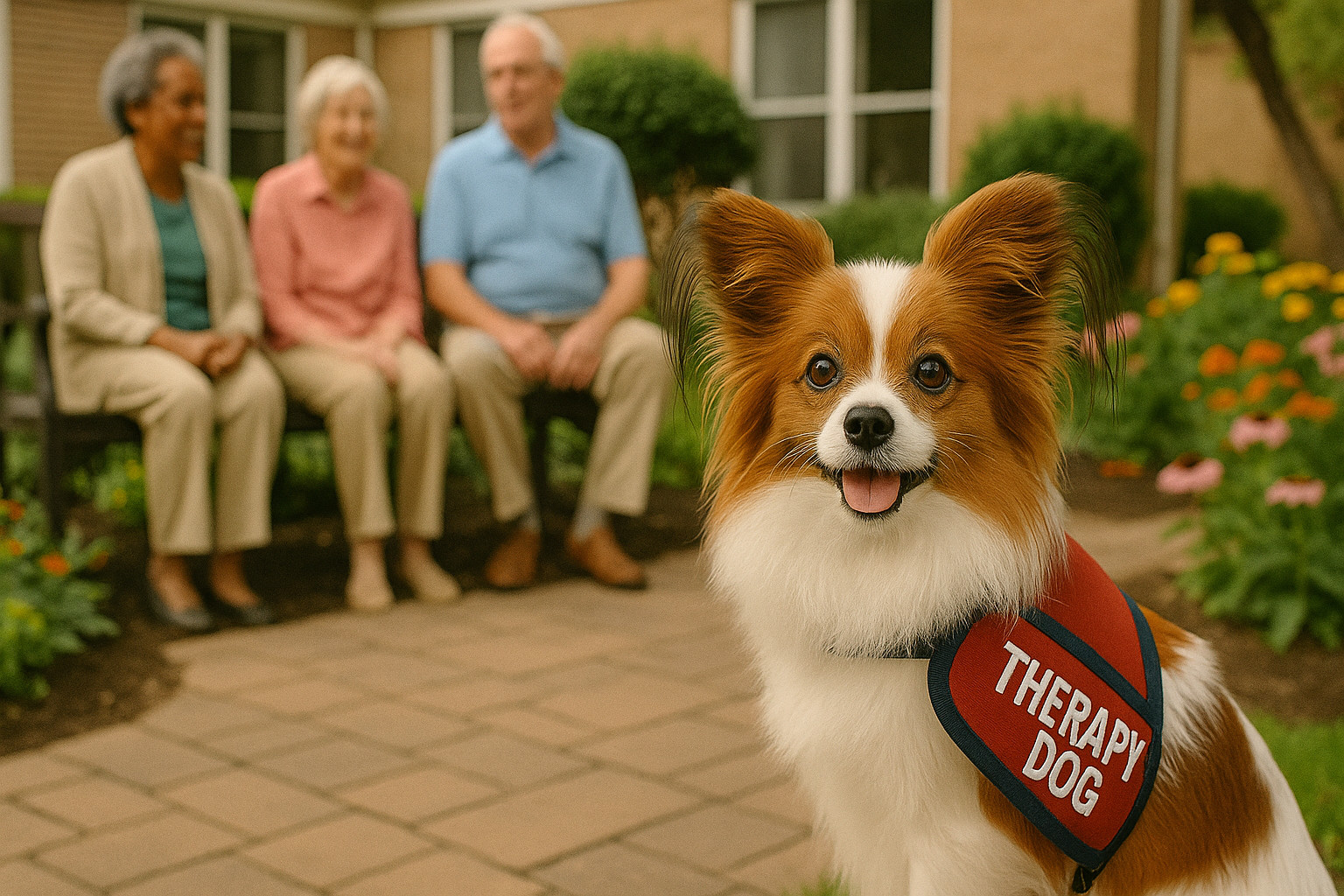
The Papillon, a small breed marked by its butterfly-like ears and charming demeanor, is making its mark in the world of therapy dogs. Its blend of intelligence, agility, and emotional sensitivity sets it apart as an exceptional candidate for animal-assisted therapy. In this article, we'll delve into the various attributes that support the Papillon's ability to thrive as a therapy dog, and explore the unique challenges and opportunities this breed presents in therapy settings.
Understanding the Therapy Dog Role
Therapy dogs play a crucial part in enhancing the quality of life for individuals across a wide array of environments. Unlike service dogs, which are trained to perform specific tasks for a single person, therapy dogs offer emotional support and comfort to multiple individuals. They visit hospitals, schools, and long-term care facilities, helping to alleviate stress, anxiety, and loneliness.
The Papillon, with its amiable nature and profound emotional intelligence, excels in this role. This breed’s aptitude for forming bonds quickly with individuals makes them particularly effective in therapy settings, where their presence is calming and uplifting.
Physical Appearance and Energy Level
The Papillon is a small, elegant dog, weighing between 5 to 10 pounds and standing 8 to 11 inches tall. Its distinctive ears and flowing coat give it a delicate appearance, but its energy levels tell another story. Papillons are lively and playful, with a zest for interactive and engaging activities. This energy makes them ideal for settings where dynamic engagement is beneficial, such as pediatric wards or elderly care centers where lively interaction can stimulate joy and movement.
However, their small size also means they are non-intimidating, making them approachable for individuals who might feel anxious around larger dogs. Their lightweight nature allows them to be easily handled, even by children or seniors, making physical interactions more approachable and less cumbersome.
Personality and Emotional Intelligence
Papillons are known for their spirited yet gentle personalities. They exhibit a form of social intelligence that allows them to assess human emotions and react accordingly. This breed can instinctively offer companionship to those in emotional distress due to their keen sensitivity to human moods.
In therapy settings, this trait is invaluable. Papillons naturally seek contact and social engagement, qualities that are beneficial when offering comfort and acting as emotional anchors for patients. Their empathetic nature allows them to adapt their behavior to the mood of the person they are interacting with, either through quiet companionship or playful cheer.
Register Any Breed
Environments Where Papillon Excels
The adaptability of the Papillon allows it to succeed in various therapeutic settings. Its friendly disposition makes it an ideal companion in environments such as:
- Hospitals and Clinics: The Papillon’s calm demeanor can provide comfort to patients in recovery or those undergoing long-term treatment.
- Schools: Due to its gentle nature and ability to capture children's attention, the Papillon is successful in educational initiatives focused on reading or developmental therapy for children with special needs.
- Elder Care Facilities: Their energy and interactive behavior can help invigorate and engage seniors, offering both emotional comfort and mental stimulation.
Common Therapy Settings
Papillons can be found enhancing the therapeutic impact in several venues:
- Rehabilitation Centers: Their friendliness and approachability help encourage patients to engage in therapeutic activities, often assisting in reducing resistance to rehabilitation efforts.
- Mental Health Facilities: The breed’s sensitivity plays a vital role in supporting individuals dealing with anxiety, depression, or PTSD, providing a non-judgmental source of comfort and calm.
- Child Trauma Therapy: Their non-threatening size and playful nature make them perfect for supporting children during trauma recovery, fostering a sense of safety and ease during sessions.
Interactions with Different Populations
Papillons are equally adept at working with various populations due to their unique ability to connect with individuals regardless of age or situation:
- With Children: Their playful but gentle nature makes them a hit with children. Papillons can adapt their energy levels to match those of children, offering comfort through engaging activities and companionship.
- With Adults: Their sensitivity and intuitive behavior make them valuable companions for adults in therapy, providing non-verbal emotional support that can facilitate therapeutic breakthroughs.
- With Seniors: Their lively yet gentle demeanor can instill joy and promote physical movement in seniors, which is imperative for encouraging healthy lifestyle choices and emotional well-being.
Health and Wellness Factors
Papillons, despite their generally robust health, require attentive management to ensure their effectiveness as therapy dogs. They are prone to a few health issues that owners must be aware of:
- Dental Health: Due to their small size, Papillons are susceptible to dental problems, requiring regular vet visits and diligent oral hygiene.
- Patellar Luxation: This common leg issue requires monitoring, particularly as therapy work can involve varied and frequent physical activity.
- Eye Problems: Keeping an eye on potential issues such as progressive retinal atrophy is important to maintain their comfort and ability to perform in therapy settings.
Proper health care ensures that Papillons remain capable and comfortable during their visits, benefiting their handlers and those with whom they engage.
Lifespan and Common Health Issues
Papillons have a lifespan of approximately 12 to 17 years, given proper care and attention. They maintain their lively disposition well into their older years, though certain age-related health concerns such as arthritis may require adjustments in their activity levels to prevent discomfort.
Maintenance and Care Needs
Maintenance of a Papillon is relatively straightforward compared to other long-haired breeds. Bi-weekly grooming keeps their flowing coat free from tangles, and regular trims around the ears and paws prevent matting. Their grooming routine offers additional engagement for therapy clients who may enjoy participating in low-pressure, therapeutic grooming activities.
Training and Certification Readiness
Training a Papillon for therapy work involves leveraging their intelligence and eagerness to please. They are quick learners and flourish under positive reinforcement methods, making them responsive to commands. A comprehensive training regimen should cover:
- Basic Obedience Skills: Essential for maintaining control in diverse environments.
- Socialization: Exposing them to a variety of situations and people ensures adaptability.
- Specific Therapy Tasks: Learning to interact appropriately in settings such as hospitals or therapy clinics.
Certifications for therapy work are often acquired through organizations such as the Alliance of Therapy Dogs or Therapy Dogs International, which assess the Papillon's behavior and readiness through stringent testing protocols.
Learning Style and Responsiveness
Papillons are incredibly responsive to structured learning environments. Their natural intelligence makes them quick to pick up new skills, and they enjoy tasks that challenge their minds. In therapy settings, this learning agility ensures they can adapt to novel situations or interact with complex, tailored therapeutic exercises as needed.
- Adaptability to Learning Styles: Papillons succeed in environments where training involves creative learning. Simulation of therapy scenarios during training can help them prepare adequately for real-world interactions.
Handling Social and Emotional Stimuli
Papillons demonstrate a significant capacity to handle social and emotional stimuli effectively, their smaller size notwithstanding. They are particularly adept at interpreting nuanced emotional tones, responding with a corresponding level of gentleness or play to provide optimal comfort to those around them.
Strengths, Limitations, and Ideal Roles for Papillon
Strengths:
- Empathy and Comfort: Papillons are able to quickly gauge the emotional needs of individuals and react comfortingly, which is crucial in therapy settings.
- Engagement and Energy: Their zest for life can motivate and lift spirits, positively impacting the emotional environment.
Limitations:
- Size-Related Physical Limitations: Their small size may limit the type of physical activities they can participate in safely.
- Sensitivity to Rough Handling: Papillons require gentle treatment and may not be suitable in environments where this cannot be guaranteed.
Ideal Roles:
- Schools and Pediatric Therapy: Their interactive nature makes them excellent for engaging with children.
- Senior Care: Their presence can be revitalizing, providing joy and companionship.
- Emotional Support Settings: Their ability to empathize and offer quiet comfort makes them ideal in mental health support roles.
Final Thoughts
The Papillon's combination of emotional intelligence, lively personality, and manageable size makes it a remarkable candidate for therapy work. While there are practical considerations to be aware of, such as health maintenance and sensitivity to handling, the breed’s capacity to bring comfort and joy to diverse populations is undeniable. This makes the Papillon a valuable partner in promoting mental, emotional, and even physical health in various therapeutic environments.
Key Takeaways for the Papillon as a Therapy Dog
- Best suited for: Environments requiring emotional engagement, such as hospitals, schools, and elder care facilities.
- Not ideal for: High-traffic, noisy environments where their small size and sensitivity may pose challenges.
- Temperament highlights: Playful yet gentle, empathetic, excellent social intuition.
- Care and health notes: Regular grooming, watch for dental and eye health issues, ensure gentle handling.
- Therapy environments where they shine: Pediatric therapy, emotional support settings, senior engagement activities.
In summary, Papillons are versatile and compassionate therapy dogs, perfect for creating positive impacts across a plethora of therapeutic landscapes.


-
Public Access Kits
$149.00 Learn more This product has multiple variants. The options may be chosen on the product page -
Quick Ship Premium Vests
$48.00 – $82.00 Learn more This product has multiple variants. The options may be chosen on the product page -
Service Dog Bandana
$39.95 Learn more This product has multiple variants. The options may be chosen on the product page
Custom ID Cards

Custom ID Cards
All States

Canada Cards

Custom Service Dog Tags
Official Dog Vests

Smart Vests
Official Public Access Kits
Complete Kits
USA & CANADA Letters
High Quality Bandanas

Service Dog Tags
Smart Tags

ESA TAGS